What Is Sulphur Springs Famous For In St Lucia?
Sulphur Springs in St Lucia is famous for its drive-in volcano inside the Qualibou caldera, boiling springs, steaming fumaroles and the grey volcanic mud bath. This guide covers the geology, the fees, the hours and the tours that visit it.
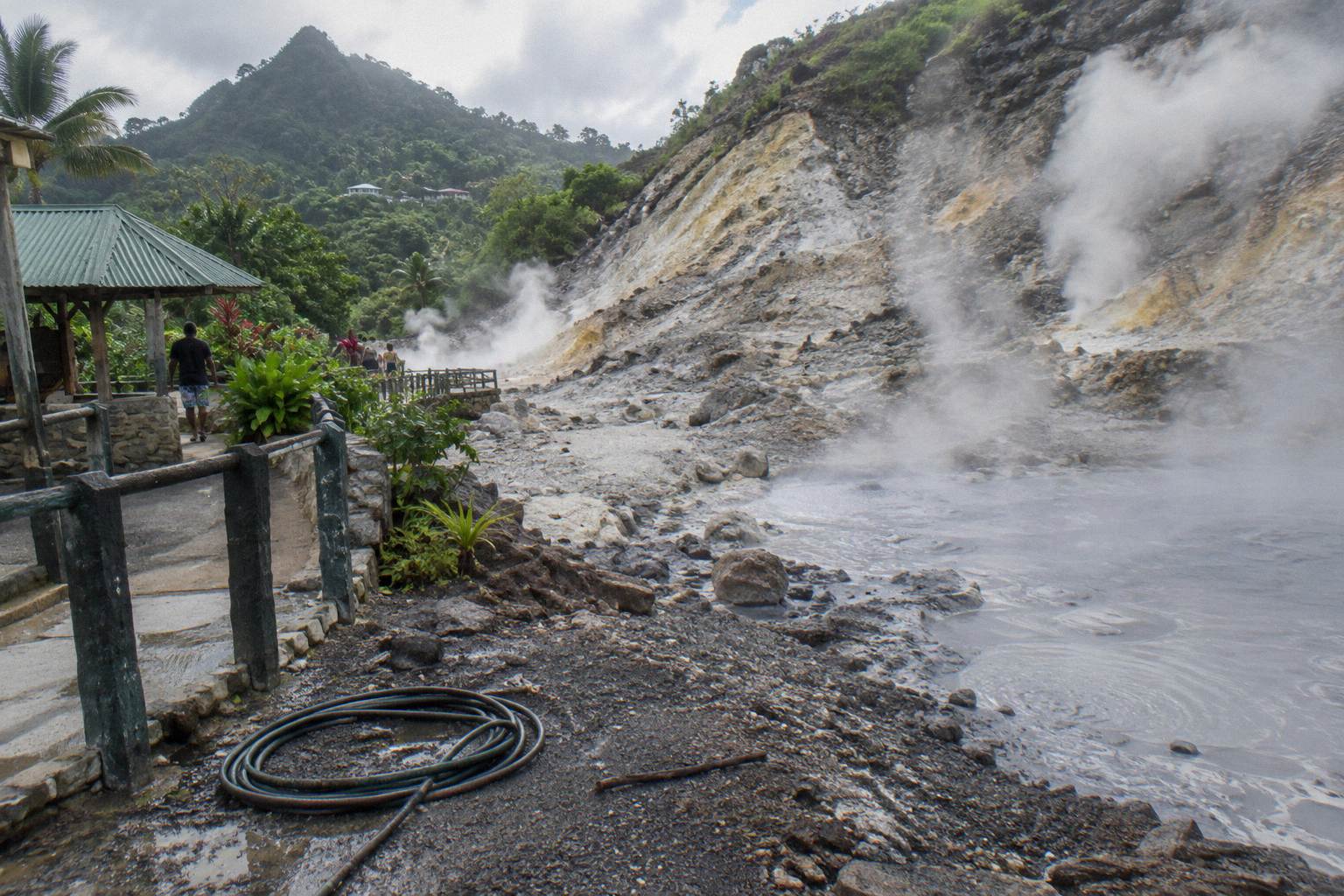
Sulphur Springs is famous for being the geothermal heart of St Lucia: a steaming field of boiling springs and fumaroles inside the Qualibou caldera, near the town of Soufriere, where you can drive straight into the crater of a volcano and then bathe in pools of grey mineral mud. The Saint Lucia Tourism Authority describes exactly that sequence, a drive into the geothermal zone past bubbling mud pools and steaming vents, followed by a mud bath and a rinse in warm spring water. The park is run by the Soufriere Regional Development Foundation, opens 9:00 am to 5:00 pm daily and closes only on the first Friday of September each year.
Most people arrive on a tour rather than driving themselves, and the choice of trip shapes the day. Edmund Tours Land And Sea, the most reviewed trip on this site's pages at 4.7 across 2,085 reviews, reaches Soufriere by boat and pairs the coast with the springs. Wow Tours Island Drive covers the same ground by road, from US$92 per person, while the Private Drive-In Volcano And Mud trip from H&A Tours Ltd is a fully private version from US$140 per person. Each one banks on the same thing: that the caldera and the mud are worth the drive south.
Sulphur Springs is famous as the site of St Lucia's drive-in volcano, a steaming geothermal field of boiling springs and fumaroles inside the Qualibou caldera, and for its volcanic mud baths, the island's signature experience. The last recorded eruption in St Lucia happened here in 1766. Visitors come to view the crater, feel the heat and coat themselves in grey mud near Soufriere.
The fame rests on geology you can actually enter. Most volcanoes are viewed from a ridge or a distant lookout; at Sulphur Springs, a road runs down into the caldera floor, past vents hissing steam and pools thick with heated grey mud. The park operator, the Soufriere Regional Development Foundation, splits the visit into two products: the volcano tour, guided access to the geothermal features, and the bath, access to the mineral and mud pools such as the Black Water Pool. A combined ticket covers both.
The measured heat is real. The boiling springs run 70 to 90 °C and the fumaroles reach up to 172 °C, figures that belong to the geothermal features and not to the bathing pools, whose temperature the park does not publish. Nobody swims in the boiling springs. The mud bath pools are separate, calmer basins where the famous ritual happens: apply grey volcanic mud, let it dry, then rinse in warm spring water.
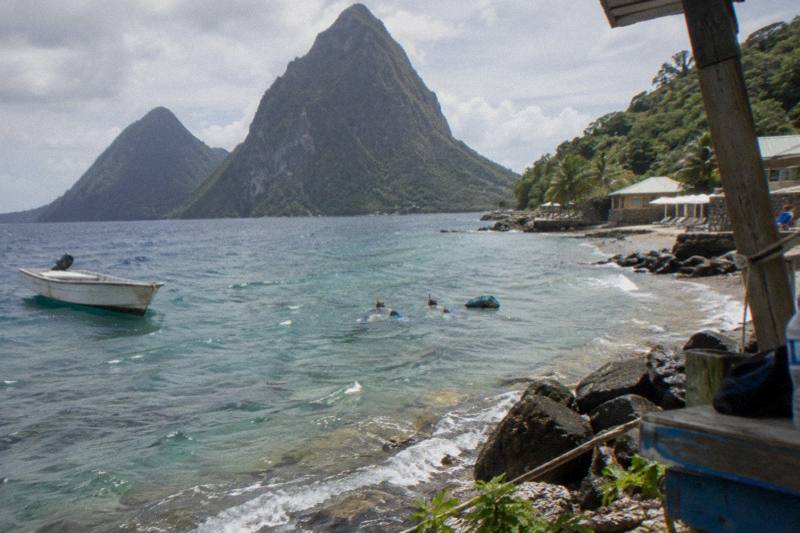
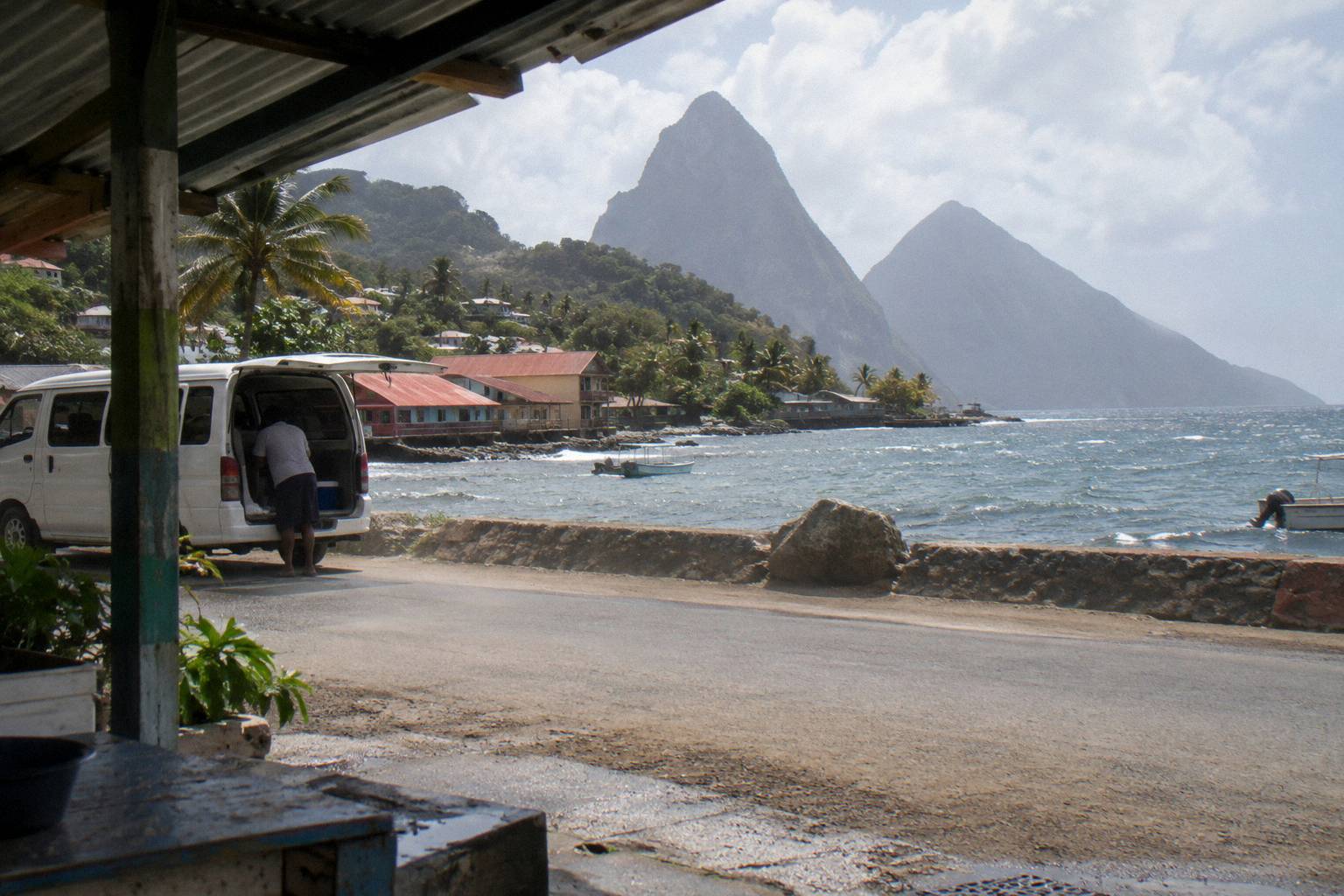
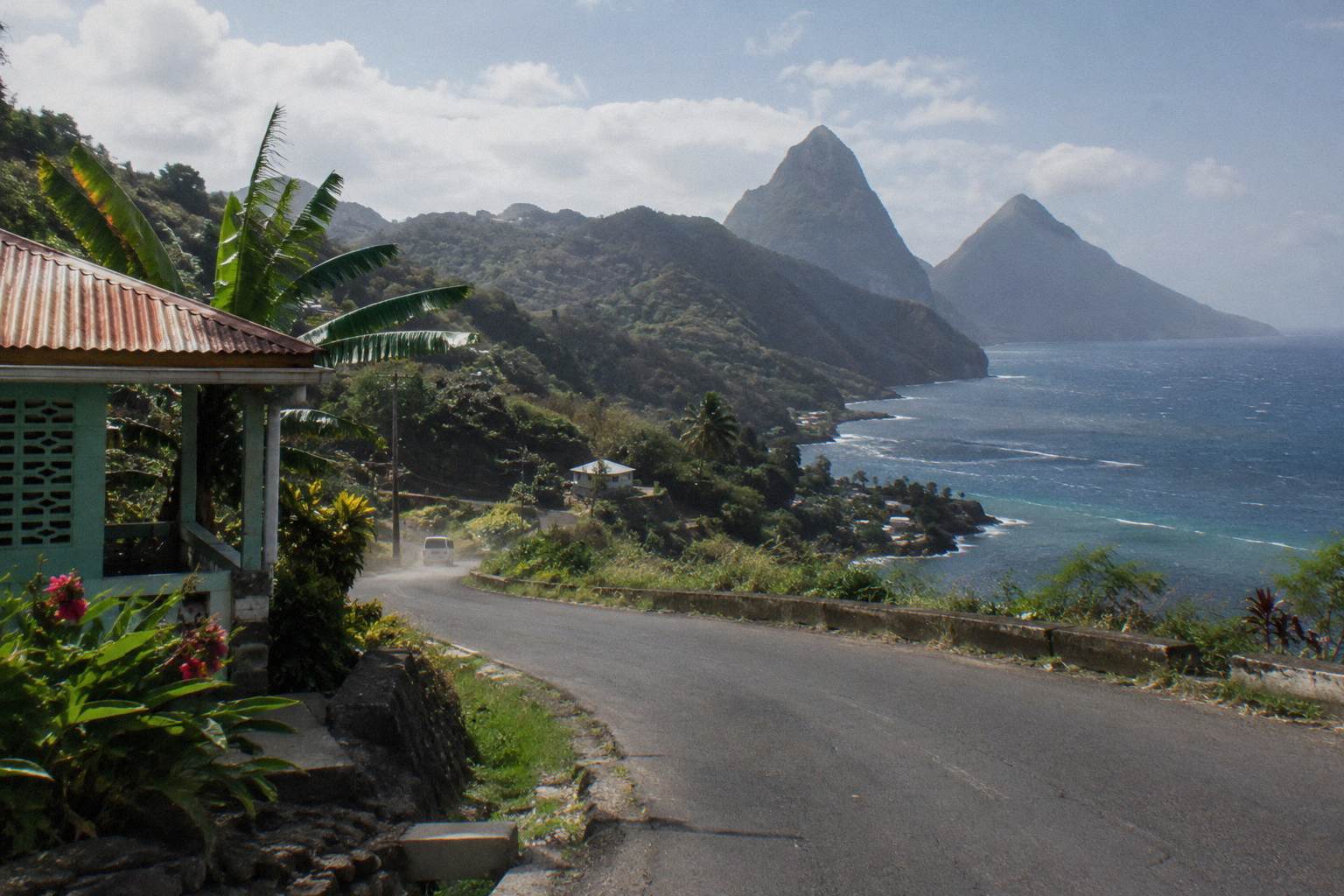
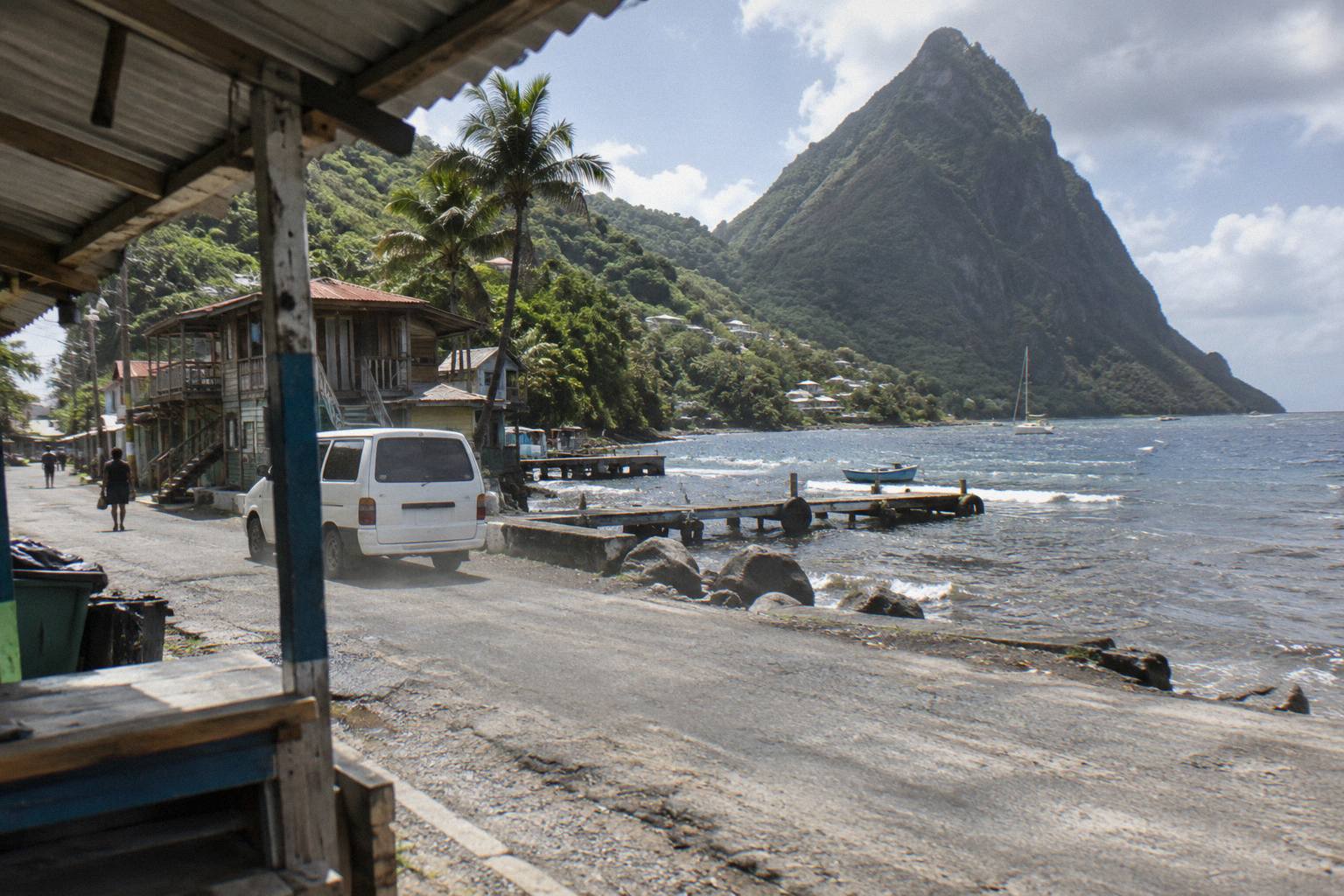
There is also a heritage frame around the place. The springs sit within the Pitons Management Area, inscribed by UNESCO in 2004. The springs sit in the shadow of the two peaks that define St Lucia's postcards.
Why does this add up to fame? Because the spot compresses an entire volcanic story into a two hour visit. You drive into a caldera, watch mud boil, stand beside steam hot enough to cook with, and then soak in the same minerals in a form your skin can take. Few places package destruction and therapy in a single ticket, and fewer still do it an hour's drive from a capital city. Soufriere sits about 42 km and roughly one hour from Castries, and about 45 minutes by car from Hewanorra airport at Vieux Fort, which makes the springs an easy anchor for a day trip from almost anywhere on the island.
The Drive-In Volcano Inside The Qualibou Caldera
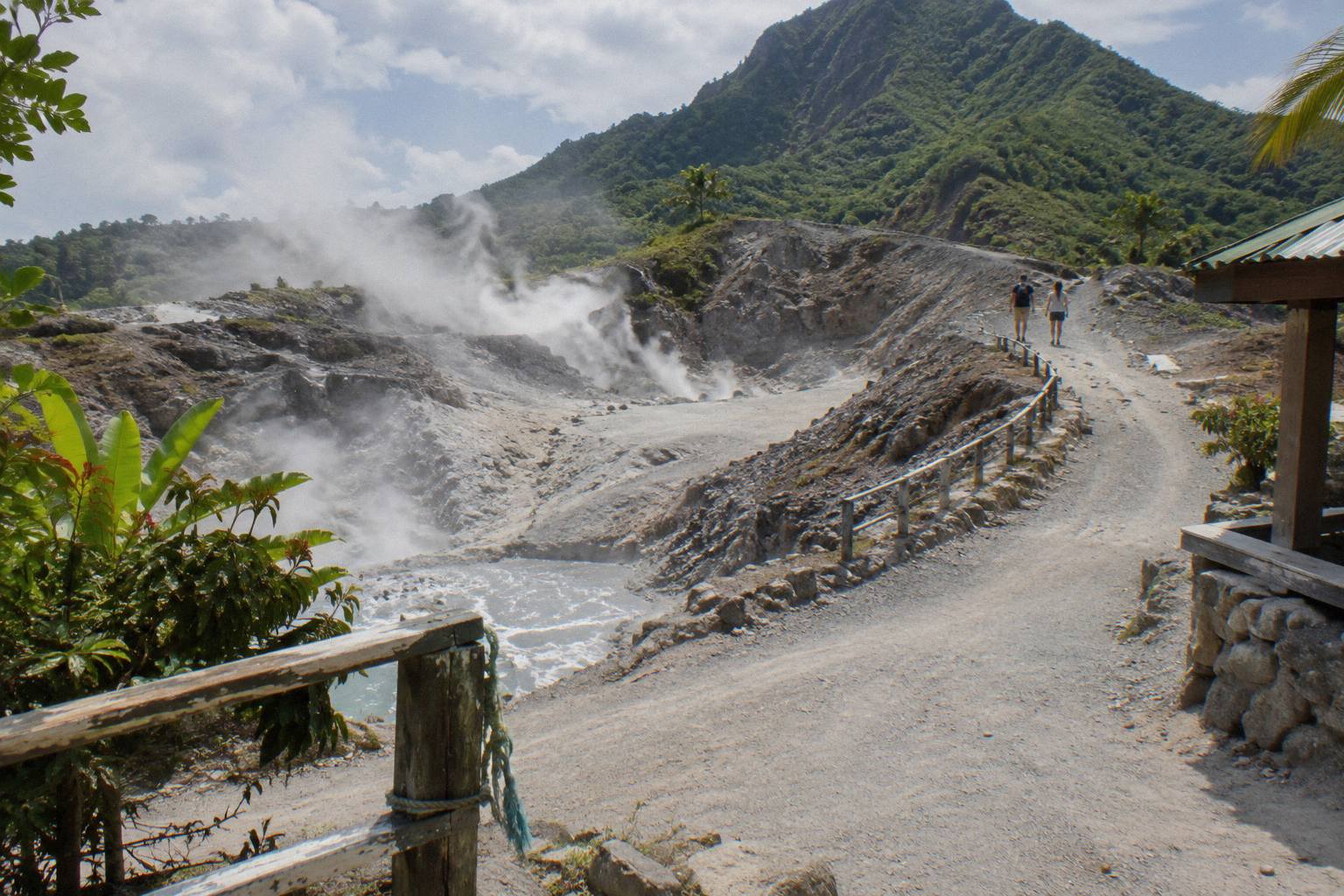
The drive-in volcano is the headline attraction: a road that carries vehicles down into the Qualibou caldera, the collapsed crater left by ancient eruptions, so visitors tour the geothermal zone from inside it rather than from a rim. Guides point out boiling springs, steaming fumaroles and deposits of volcanic rock and sulphur staining the ground in yellows and greys. The volcano tour ticket covers this guided access, separate from the mud bath.
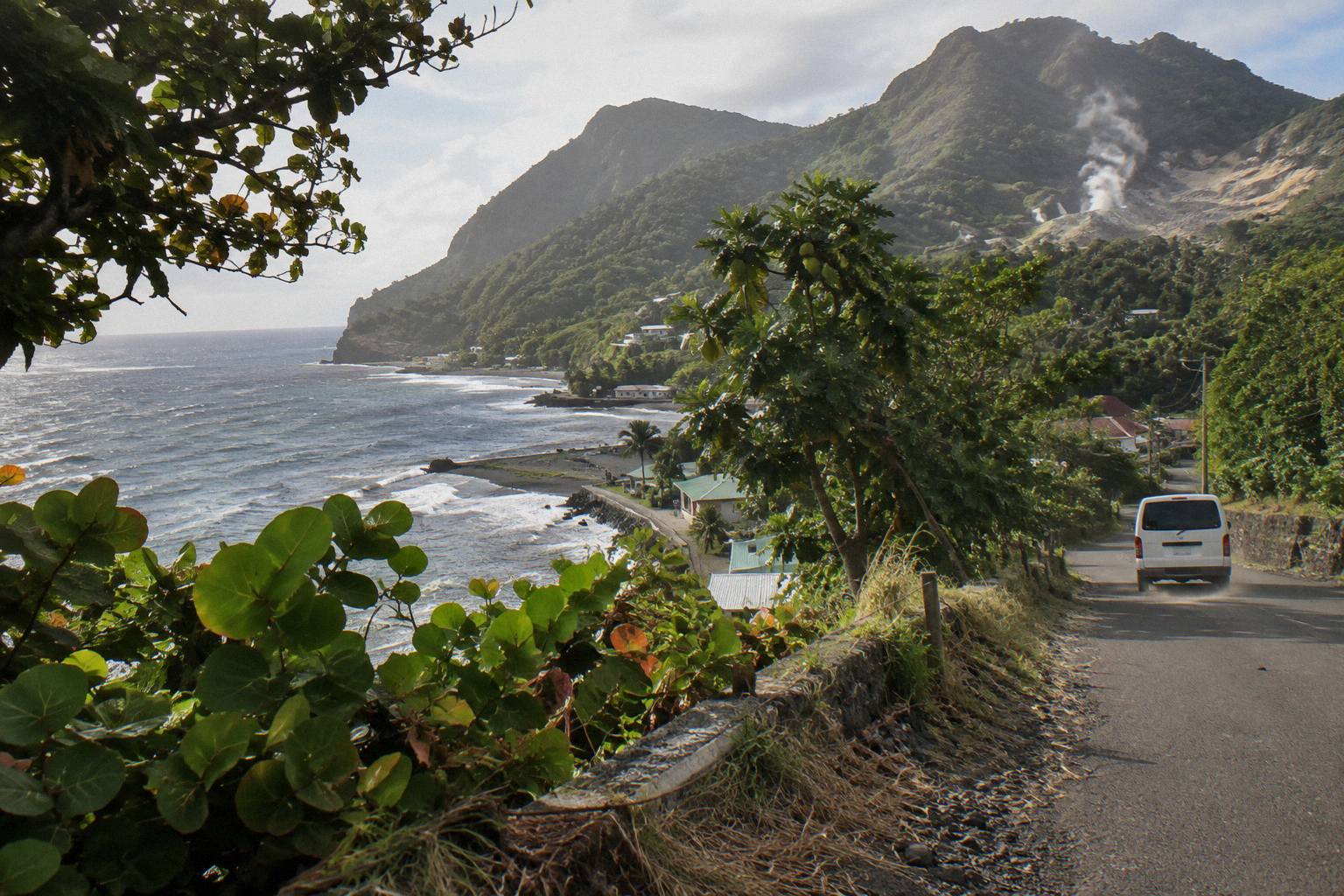
The caldera is the reason the road exists at all. Qualibou's collapse created a broad, low basin near Soufriere rather than a steep cone, and the geothermal activity stayed concentrated on its floor. That flatness is what makes a drive-through practical. Elsewhere in the Caribbean, volcanic areas are hiked or viewed from distance; here, the standard tour moves through in a vehicle, stopping at safe vantage points beside the hottest features.
The tours on this site's roster that lean hardest on the volcano half of the visit are the road trips. Island Adventures St. Lucia runs the Volcano Experience, 7 To 8 Hours, rated 5 across 533 reviews, from US$135 per person with buffet lunch and drinks included, with both hotel and cruise-port pickup flagged. The FRAM Rejuvenating Mud Bath trip from FRAM Tours & Taxi Services, 4.8 across 338 reviews, is a shorter 4 to 5 hour version from US$132, and its inclusions list covers entrance fees for the mud bath specifically. Both are guided group trips rather than private ones.
What you actually see from the vehicle changes with the weather and the wind, and conditions vary day to day. On still mornings the steam columns stand straight up from the vents; after rain the pools churn more visibly. Guides time stops so groups spend a few minutes at each feature rather than one long stop, which keeps the walk short and the experience moving. The 1766 phreatic eruption, the last recorded in St Lucia, is usually part of the commentary, alongside the temperature figures for the springs and fumaroles.
A common question is whether the drive-in volcano is active. The honest answer is that the geothermal field is very much live, with measured heat and ongoing steam, while the last recorded eruption was in 1766. Nothing on the official pages supports calling it dormant or extinct, and no forecast is offered here. What is certain is the sensory fact: the ground is hot, the vents are loud, and the smell of sulphur hangs over the caldera floor, which is the subject of its own discussion on whether St Lucia smells like sulphur.
Boiling Springs, Fumaroles And The Geothermal Field
The geothermal field is the science behind the fame: a cluster of boiling springs running 70 to 90 °C and fumaroles, steam vents, reaching up to 172 °C, all fed by magma heating groundwater below the caldera. These features are the visible proof that the volcano is not finished. They sit behind barriers on the tour route, close enough to hear and smell but well away from any walking path.
A fumarole is simply a crack in the rock where steam and gases escape under pressure, and the ones at Sulphur Springs are among the hottest measured features in the region. The boiling springs are surface pools where that same heated water collects. Neither is a bathing feature; the distinction between the geothermal zone and the mud pools is the single most useful thing to understand before visiting. Tour tickets reflect it: the volcano tour covers the features, the bath covers the pools.
The mineral story connects the two halves. The same sulphur and mineral-rich water that boils to the surface in the springs feeds the cooler basins used for bathing, where the dissolved minerals settle into the grey mud visitors apply to their skin. The mud's reputation for skin benefits is the reason many people book at all, and it is covered in full on what the mud is said to do for skin. The park itself makes no medical claims, and neither does this page.
Photographers gravitate to the steam. The barren grey terrain, streaked with mineral deposits and framed by green hills, gives the caldera an otherworldly look that contrasts with every beach photo from the rest of the island. The tourism authority suggests morning or late afternoon as the best times to visit, which suits the light as much as the heat. Composition tips and viewpoint notes are gathered in the best photo angles around the springs.
| Feature | What it is | Typical measured heat | Part of which ticket |
|---|---|---|---|
| Boiling springs | Surface pools of geothermally heated water | 70 to 90 °C | Volcano tour |
| Fumaroles | Steam and gas vents in the crater rock | Up to 172 °C | Volcano tour |
| Drive-in volcano route | Guided vehicle circuit of the caldera floor | Not applicable | Volcano tour |
| Black Water Pool and similar | Mineral and mud bathing pools | Not published by the park | Bath |
| Combined visit | Guided tour plus bathing | Not applicable | Combo ticket |
The Grey Volcanic Mud Bath
The mud bath is the experience most visitors actually remember: an application of warm grey volcanic mud, smoothed over the skin, left to dry, then rinsed off in warm spring water. The ritual takes place in designated mineral pools inside the park, separate from the geothermal features, and the bath ticket alone costs US$12 for adults and US$6 for children at the park gate. Fees are set by the park and can change.
The mechanics are simple, which is part of the appeal. Buckets or basins of the mud sit beside the pools; you coat yourself, wait, and wash. Groups tend to turn it into comedy, with first-timers layering the grey paste into elaborate patterns before the drying cracks it. The rinse pools are fed by the same mineral waters that define the site, warmed by the geothermal field but far from its measured extremes. The park does not publish a pool temperature, so no figure is offered here.
What to bring is settled advice from the Saint Lucia Tourism Authority: comfortable shoes, swimwear and a towel. The authority also recommends morning or late afternoon visits. Beyond that, the unofficial rules everyone learns on the day are practical ones, wear swimwear you do not love, since the mud stains, and expect a sulphur smell that clings until the next proper wash. Those lived details, and the packing list built around them, are expanded in what to wear to the springs.
Tours handle the mud stop differently. The Creole Lunch, Toraille Waterfall trip from Treasure tours Ltd. St. Lucia, 4.6 across 220 reviews and from US$100 per person, includes the entrance fee, lunch and a guide, folding the bath into a 5 to 6 hour day with Toraille waterfall. The Private Speedboat, Beach Time charter from Captain Cliff Adventure Tours, 4.9 across 107 reviews from US$260 per person, reaches the bath from the sea side and includes a taxi in Soufriere for the volcanic mud bath and waterfall, plus drinks on board. One is a guided group by road, the other a private trip by boat: the same mud, framed by a different day.
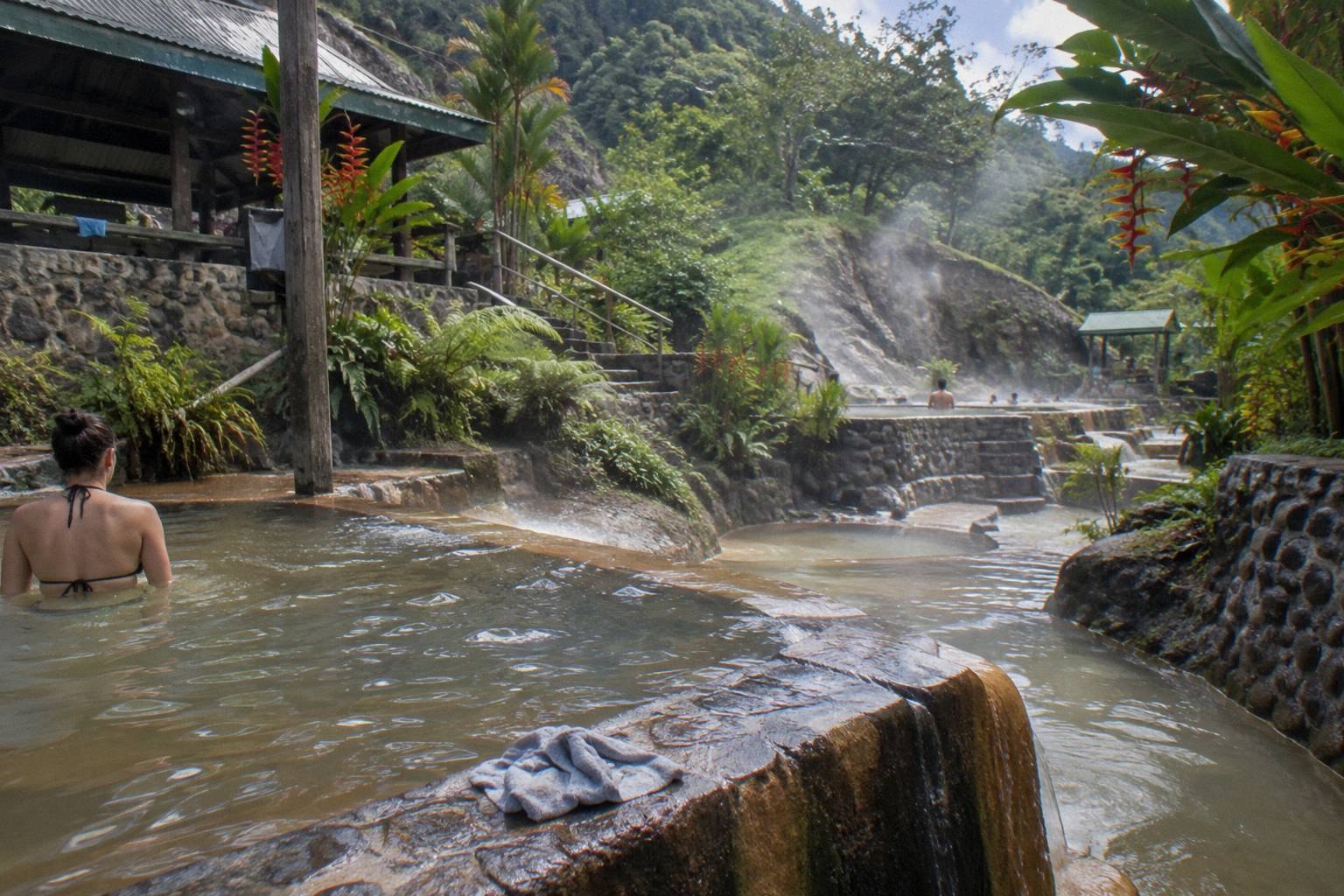
Is the ritual worth the drive? That depends on expectations. Nobody leaves with medically proven skin, and the park claims nothing of the sort. But the combination of heat, minerals and sheer strangeness, grey mud drying in Caribbean sunshine inside a volcanic caldera, is not reproducible anywhere else on the island. The debate, with the cost side worked through, continues in whether the mud baths are worth it.
The Park Fees, Hours And How Visits Work
Sulphur Springs is open daily from 9:00 am to 5:00 pm, including weekends and public holidays, and closes only on the first Friday of September each year. Adult admission currently runs US$12 for the bath, US$10 for the volcano tour, or US$16 combined, with child rates of US$6, US$5, and US$8. Fees are set by the park and may change; listed tour prices cover their stated inclusions only.
The fee structure rewards the combo. A visitor who buys the bath and the tour separately pays US$22 as an adult; the combined ticket is US$16. Children pay US$8 combined against US$11 bought separately. Those small gaps matter to families doing the maths on a day out, and they explain why most tours bundle entrance fees into their package price rather than leaving guests at the gate. Other pages covering the same trip are gathered on St Lucia Mud Bath.
| Ticket | Adult | Child | What it covers |
|---|---|---|---|
| Bath | US$12 (XCD 30) | US$6 (XCD 15) | Access to the mineral and mud bath pools |
| Volcano tour | US$10 (XCD 25) | US$5 (XCD 12.50) | Guided access to boiling springs, fumaroles and the drive-in route |
| Combined | US$16 (XCD 40) | US$8 (XCD 20) | Both of the above |
Hours are generous but the practical window is narrower. The tourism authority's own advice favours morning or late afternoon, which suits both the heat and the cruise-ship rhythm, since groups from port tend to arrive mid-morning and peak around midday. Independent visitors who time around those waves get a calmer bath. The full scheduling picture, including what a day built around the springs looks like, is laid out in the best time of day for the mud bath.
One annual quirk is worth planning around: the first Friday of September closure. It is a single maintenance day in an otherwise year-round operation, but it catches a handful of travellers every year who arrive to find the gate shut. Checking the park's own schedule page before a September visit costs nothing.
Waterfalls And Gardens Around The Springs
Sulphur Springs is famous on its own, but its location makes it a hub: Toraille Waterfall sits minutes away, Diamond Falls Botanical Gardens and its historic mineral baths are in the same Soufriere area, and the Pitons tower over the whole coastline. Most tours treat the springs as one stop in a chain that pairs the volcano with water, gardens and viewpoints. The fame of the mud bath pulls visitors south; the neighbours keep them there for the day.
Toraille Waterfall charges about US$3 per person on operator listing text, with no official hours published, and it is the most common pairing on the roster. The Nature Trail Hike, Mud Baths trip from DeTour Saint Lucia, rated 5 across 49 reviews from US$160 per person, bundles pickup, a trail hike and the mud baths with rum punch or Piton beer, hotel pickup flagged. Combo tours like it are their own category, and the trade-offs between them are compared in choosing a mud bath and waterfall combo.
Diamond Falls is the quieter sibling with the deeper history. The gardens charge adults US$7 (EC$17.50) with children half price, and the mineral baths there run US$7 private or US$6 public per the official visit page, open Monday to Saturday 10 am to 4 pm and Sunday plus public holidays 10 am to 3 pm, every day of the year. Those baths use the same Soufriere mineral waters in a garden setting, a different experience from the volcanic mud, and the comparison is worked through in pairing Diamond Falls with the mud bath.
Then there are the Pitons themselves. The springs lie within the Pitons Management Area, the UNESCO inscribed landscape of 2004, and the Gros Piton Nature Trail hike fee is US$50 (XCD 125) per adult on the park's schedule. Viewpoint stops are built into several road tours on the roster, including the Volcano Jeep Safari from Island Routes, 4.7 across 95 reviews from US$165.85 per person, which runs an open-top jeep down the coast with a buffet lunch and a Marigot Bay stop. Where to see the peaks on a mud bath day is mapped in the best Piton viewpoints on a mud bath tour.
Touring The Springs By Road Or By Sea
You can reach Sulphur Springs two ways: by road, touring the west coast to Soufriere, or by sea, sailing there and transferring inland for the volcano and the bath. Road tours win on price, starting from US$90 per person, while boat trips cost more but add snorkelling and the coastline, so the choice comes down to whether you prize the journey or the destination.
The budget anchor on the road side is the Half-Day Island Delight from Barefoot Holidays, the cheapest priced tour on this site's roster at from US$90 per person, 4.7 across 27 reviews, with hotel pickup and drop-off plus entry to Sulphur Springs in its inclusions. At the other end of the scale, the Snorkel, Mudbath And Lunch Boat trip from The Real Deal Boat Tours is the most expensive priced tour on the roster, from US$537 per person, rated 5 across 110 reviews with beverages and snorkel gear on board. Between them sit dozens of mid-priced options in every format.
| Tour | Operator | Format | Booked duration | Rating | Price from |
|---|---|---|---|---|---|
| Half-Day Island Delight | Barefoot Holidays | Guided group, road, hotel pickup | 5 hours | 4.7, 27 reviews | US$90 pp |
| Wow Tours Island Drive | Wow Tours | Guided group, road, hotel pickup | 5 to 7 hours | 4.9, 603 reviews | US$92 pp |
| Edmund Tours Land And Sea | Edmund Tours St. Lucia | Guided group, by sea | 6 hours 30 minutes | 4.7, 2,085 reviews | US$125 pp |
| Volcano Experience, 7 To 8 Hours | Island Adventures St. Lucia | Guided group, road, hotel and port pickup | 7 to 8 hours | 5, 533 reviews | US$135 pp |
| Private Speedboat, Beach Time | Captain Cliff Adventure Tours | Private, by sea, hotel and port pickup | 4 to 6 hours | 4.9, 107 reviews | US$260 pp |
The sea option deserves its fame-related note. Arriving from the water gives the caldera context: you see the Pitons from below, land at Soufriere and climb into the crater in the same morning. Edmund Tours Land And Sea, this site's featured related trip, runs 6 hours 30 minutes whole-tour length with lunch, drinks and snorkel gear included, free cancellation inside a 24 hour window. Visitors weighing the two routes honestly should read the by-sea versus by-road comparison before booking either.
Cruise passengers have a tighter version of the same decision. Port-pickup flags appear on several road tours, and timing against ship departure is its own discipline. That planning problem, with the timing risks spelled out, is handled in cruise-ship timing for a mud bath excursion.
Mistakes That Trip Visitors Up
The common mistakes are predictable and avoidable: arriving on the one closed Friday in September, buying bath-only tickets and then wishing for the volcano tour, wearing swimwear that matters to you, and assuming a tour's booked duration equals time in the mud. Booked durations on this page are whole-tour lengths including transfers, stops and lunch, not hours at the springs. A little planning removes nearly all of the friction.
The swimwear point deserves its own line. The grey mud stains fabric, and the sulphur smell follows the suit until it is properly washed. Dark, old swimwear is the standard advice; the fuller packing logic, including what to bring beyond the authority's shoes, swimwear and towel list, sits in what to bring to the mud baths.
The ticket mistake costs real money. Visitors who buy the bath alone often walk past the volcano tour and regret it, since the geothermal features are the half of the fame that makes the mud meaningful. The combined ticket at US$16 adult covers both for less than the two bought separately. Tour buyers sidestep the issue where entrance fees are listed inclusions, as on the FRAM and Treasure tours named above, but independent travellers should decide at the gate, not after it.
The duration misunderstanding causes the most disappointment. A 6 hour 30 minute booking includes the drive, the boat, lunch and every stop; the mud bath itself is one segment of the day. Reading the booked duration as springs time sets the wrong expectation. Finally, do not schedule the visit around a ship departure without buffer, and do not plan the first Friday of September at all.
Common Questions About Sulphur Springs
What Is Sulphur Springs Famous For In St Lucia?
It is famous as the drive-in volcano: a geothermal field of boiling springs and fumaroles inside the Qualibou caldera, paired with volcanic mud baths where visitors apply grey mineral mud and rinse in warm spring water. The last recorded eruption in St Lucia was here, in 1766.
How Much Does It Cost To Get Into Sulphur Springs?
From the park's current schedule: US$12 per adult for the bath, US$10 for the volcano tour, or US$16 combined; children pay US$6, US$5 and US$8 respectively. Fees are set by the park and can change.
Is The Drive-In Volcano Active?
The geothermal field is live, with boiling springs at 70 to 90 °C and fumaroles reaching up to 172 °C, but the last recorded eruption in St Lucia was in 1766. The bathing pools are separate from these features and the park publishes no pool temperature.
What Are The Opening Hours?
The park opens 9:00 am to 5:00 pm daily, including weekends and holidays, and closes one day each year: the first Friday of September.
What Should You Bring For The Mud Bath?
The Saint Lucia Tourism Authority recommends comfortable shoes, swimwear and a towel. Morning or late afternoon visits are suggested, and swimwear that stains without heartbreak is the practical addition.
Can You Visit On A Tour Instead Of Independently?
Yes. Road tours run from US$90 per person, boat tours pair the coast with the springs, and private options cover both formats. Booked durations are whole-tour lengths, and several tours include entrance fees among their listed inclusions.