Does St Lucia Smell Like Sulfur At The Sulphur Springs Mud Bath?
Yes, there is a sulphur smell at the Sulphur Springs geothermal park, and here is exactly where it is strongest, where it fades, and what that means for your mud bath day in St Lucia.
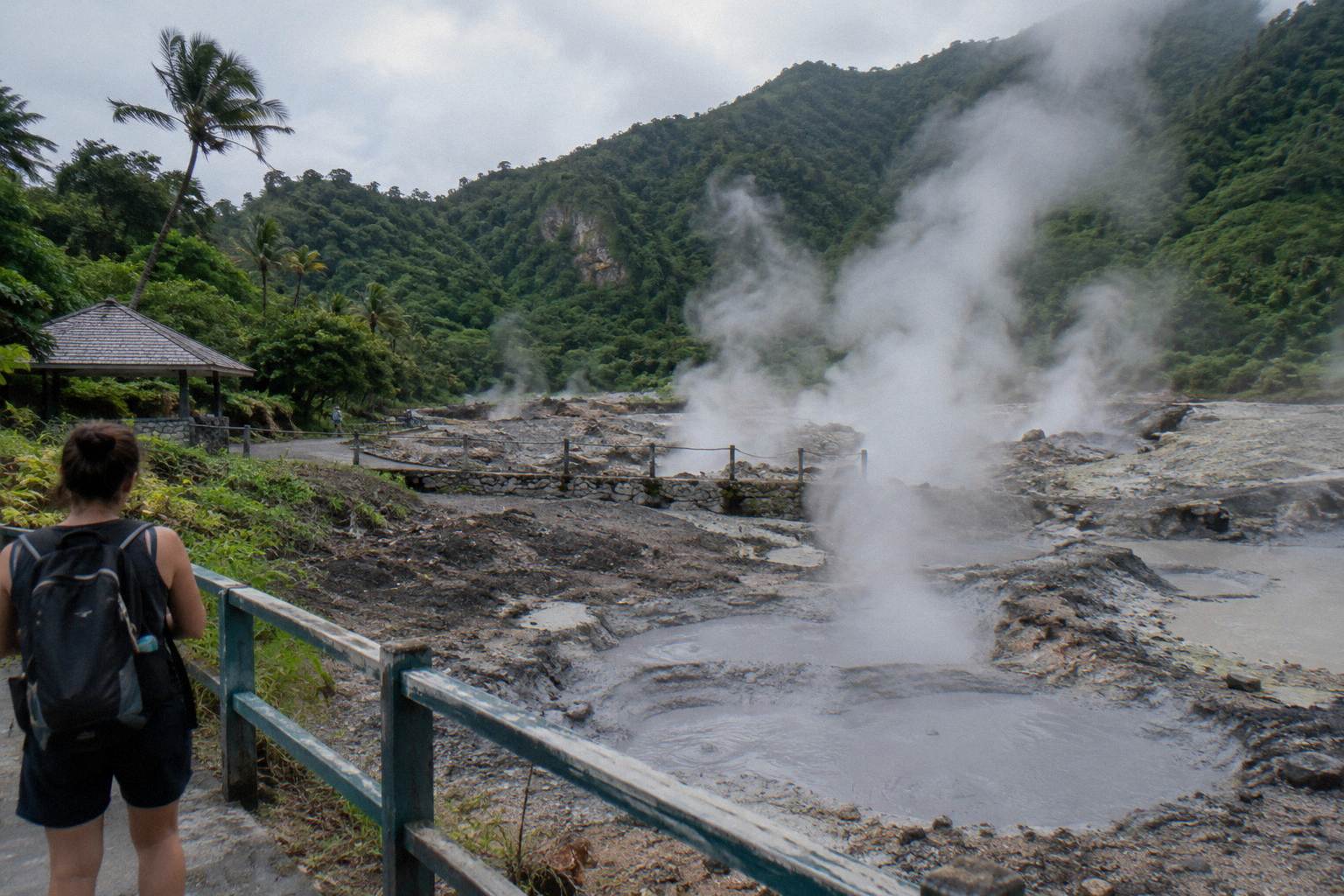
In short: Yes, but only where the volcano is. The Sulphur Springs park sits on an active geothermal field inside the Qualibou caldera, and its boiling springs and steaming fumaroles release sulphur-bearing gases that give the immediate area a rotten-egg smell. It is strongest right at the vents and in the bathing zone, weaker in the car park, and effectively absent across the rest of the island.
For more context on the park and its history, see the St Lucia Mud Bath home page.
Quick Facts
Here is everything you need to know at a glance: this section gathers the destination's essential details in one place, covering the practical basics every traveler should check before booking, so you can get oriented quickly and focus on planning the parts of the trip that matter most to you.
| Question | Answer |
|---|---|
| Does the park smell of sulphur? | Yes, from geothermal gases; strongest near vents and baths |
| Does the rest of St Lucia smell? | No, the smell is local to the geothermal area |
| Who runs the park | Soufriere Regional Development Foundation |
| Opening hours | 9:00 am to 5:00 pm daily, closed the first Friday of September |
| Bath entry, adult | US$12 (XCD 30); child US$6 |
| Combined tour and bath, adult | US$16; child US$8 |
| Geothermal temperatures | Boiling springs 70 to 90 °C; fumaroles up to 172 °C |
| Last recorded eruption in St Lucia | 1766, phreatic, in the Sulphur Springs area |
Does St Lucia Smell Like Sulfur At The Sulphur Springs Mud Bath?
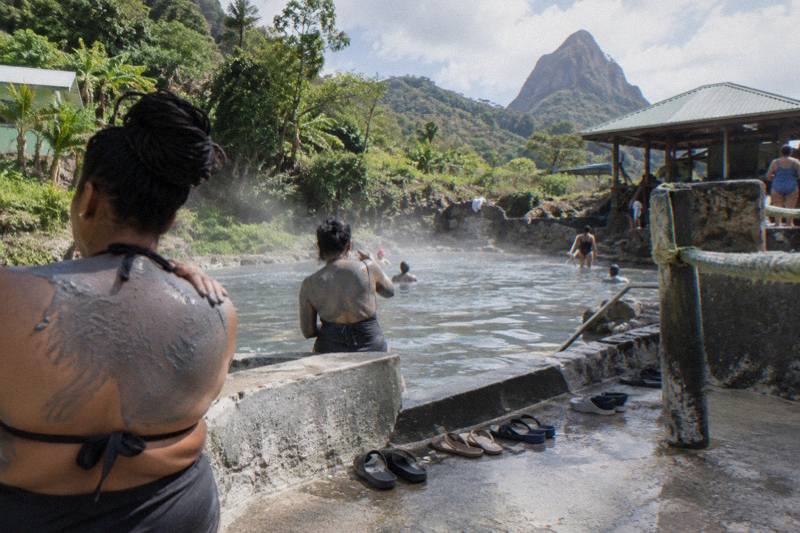
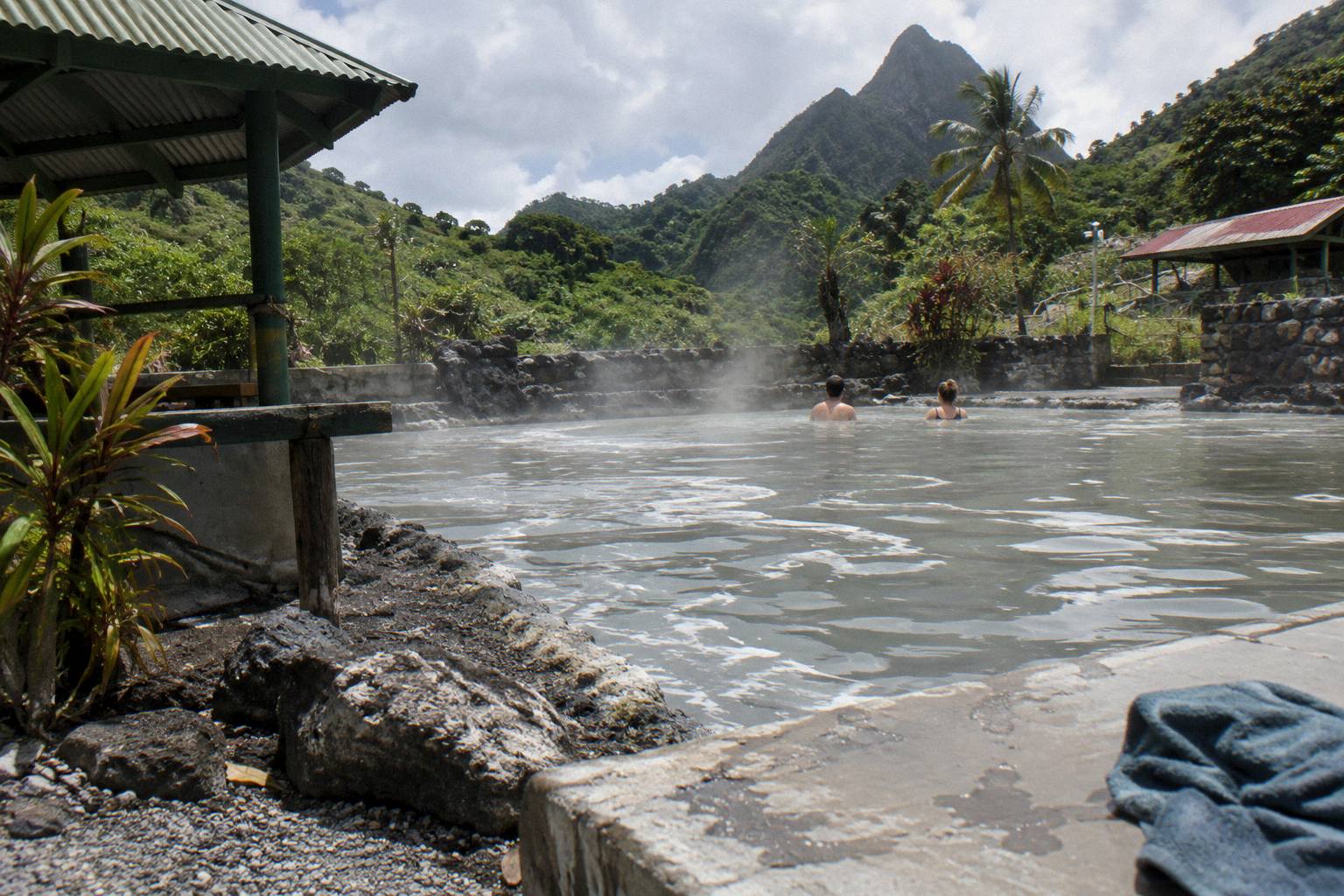
Yes, St Lucia does smell like sulfur at the Sulphur Springs mud bath, and that is the honest starting point for this answer. The smell is real, it is noticeable, and it is part of what the location is known for. Anyone asking the question deserves the plain answer up front rather than a softened version, so yes, plan on noticing the sulfur odor during a visit. The park is a working geothermal zone where boiling springs run 70 to 90 °C and fumaroles vent gas at up to 172 °C, and sulphur compounds in those gases are what produce the classic rotten-egg note visitors describe. The smell is strongest at the vent field and around the mud bath pools themselves, noticeably lighter within a short walk of the car park, and gone entirely once you drive a few minutes down the road toward Soufriere town.
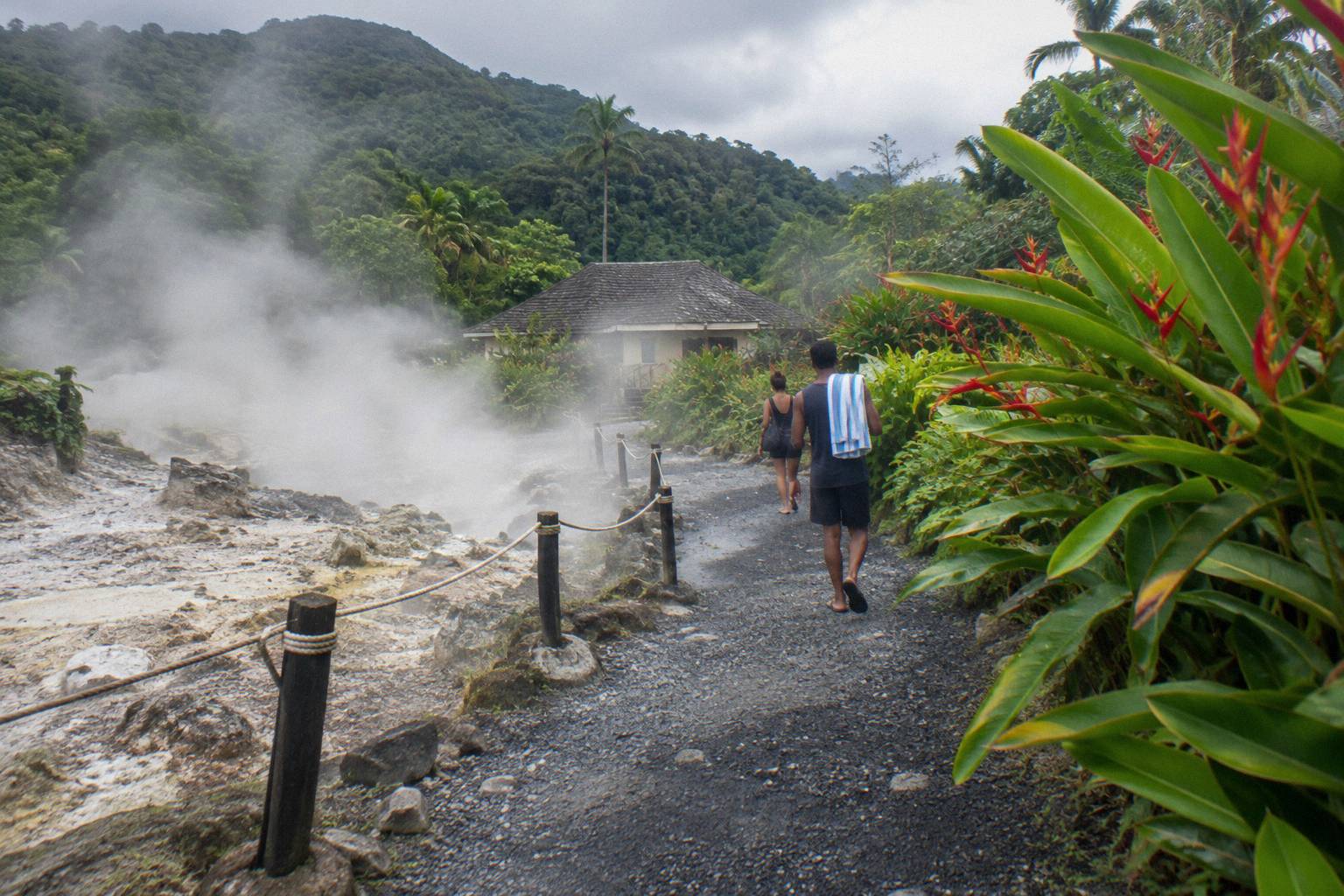
The gases are the whole reason the place exists as an attraction. The Soufriere Regional Development Foundation, which operates the park, describes a drive-in volcano experience where vehicles pass bubbling mud pools and steaming vents before visitors reach the bathing area. No gases, no hot springs, no warm mineral water, no grey volcanic mud. The sulphur is not a defect of the experience; it is the proof of it.
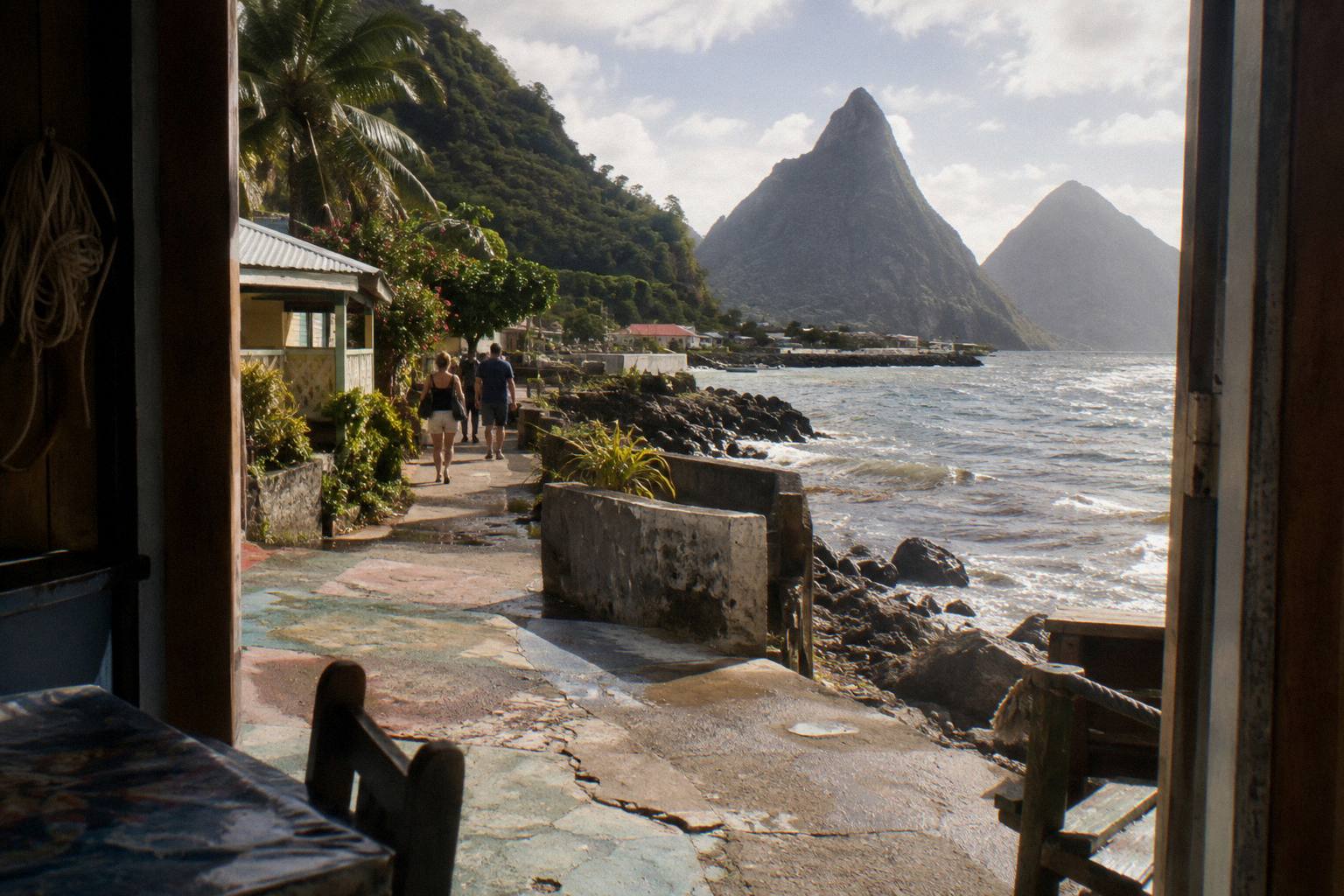
What the smell is not is island-wide. Soufriere town, the beaches, Castries an hour to the north, the resorts along the coast: none of that shares the geothermal signature. The smell lives inside the caldera's active corner and fades with distance. Plenty of visitors spend a week in St Lucia and never notice a trace of sulphur except during the hour or two they chose to spend at the springs.
If the idea of the smell has been the one thing holding back a booking, it helps to look at the tour options side by side, since every one of them visits the same park.
The FRAM Rejuvenating Mud Bath tour from FRAM Tours & Taxi Services is the featured pick here: 4 to 5 hours, rated 4.8 across 338 reviews, from US$132 per person, with the mud bath entrance fee at Sulphur Springs included, hotel and cruise-port pickup, light snacks and a local Piton beer on board. Because the entrance fee is already in the price, there is nothing to sort out at the gate, and the tour's own timing keeps the visit to the smelly part short and purposeful. Free cancellation applies within a 24 hour window.
Why The Sulphur Springs Smell The Way They Do?
The smell is geology at work, not pollution or poor maintenance. The sulphur that gives these springs their name occurs naturally in the water, and when that water reaches the surface the sulphur is released into the air, producing the strong, distinctive odor that hangs over the site. Rainwater seeps deep underground, meets the hot rock of the magmatic system beneath the Qualibou caldera, heats up, dissolves minerals including sulphur compounds, and rises back to the surface as springs, steam vents and bubbling mud pools. When that steam reaches open air, hydrogen sulphide and related gases reach your nose. It is the same process that powers hot spring areas elsewhere in the world.
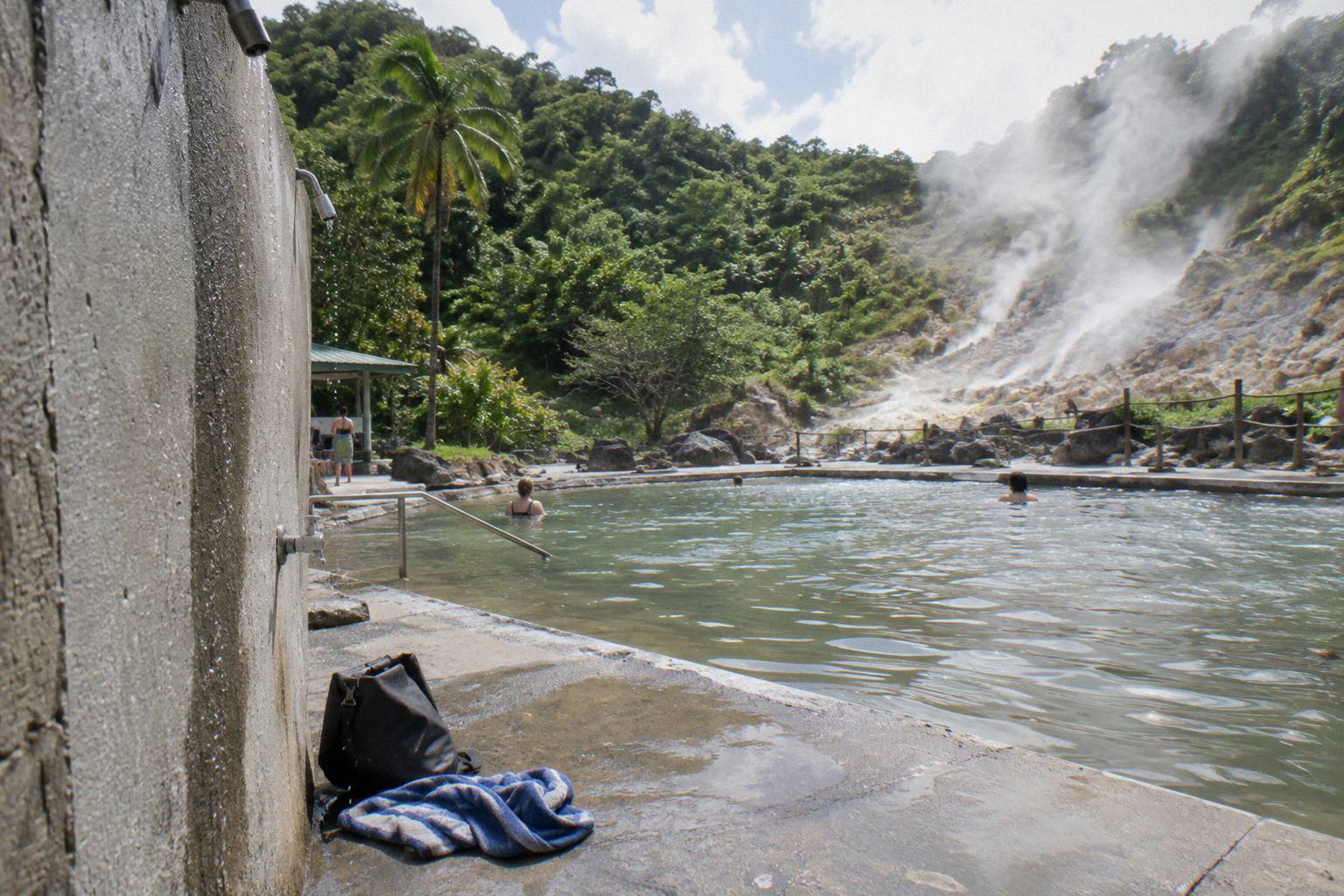
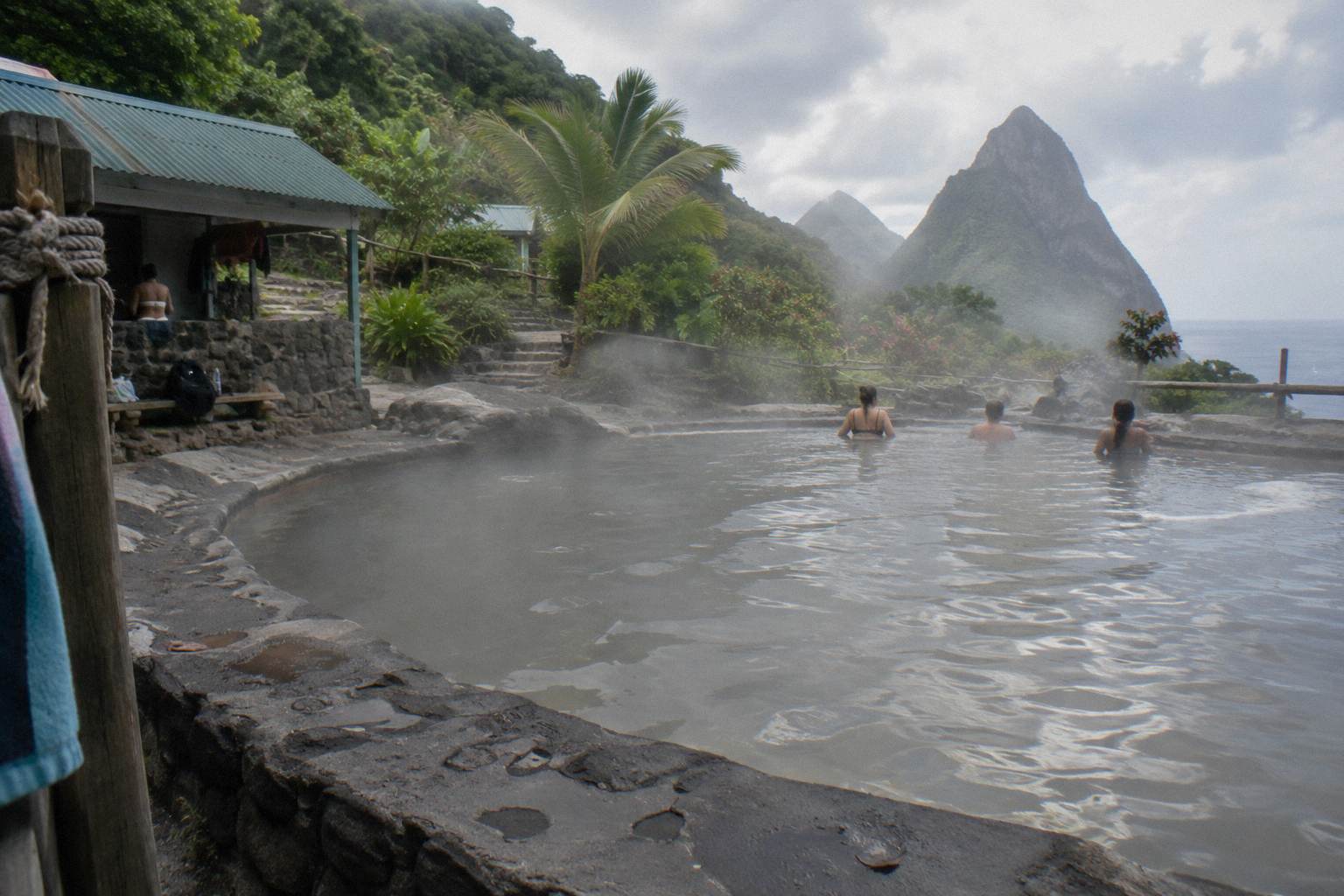
The temperature figures tell the story of how active the system is. The boiling springs run 70 to 90 °C, and the fumaroles, the steam vents you see hissing across the crater floor, reach up to 172 °C. Those are geothermal feature temperatures, not bathing water temperatures; nobody soaks in the boiling springs. The mud bath pools are a separate, much cooler zone where visitors apply grey volcanic mud and rinse in warm spring water.
The caldera itself has a long history. The last recorded eruption in Saint Lucia was in 1766, a phreatic, steam-driven event in the Sulphur Springs area, and the geothermal activity continues today. The springs sit within the Pitons Management Area, which UNESCO inscribed as a World Heritage site in 2004. For a deeper background piece, see the guide on the volcano park St Lucia is famous for.
How Strong Is The Smell, And Where Is It Strongest?
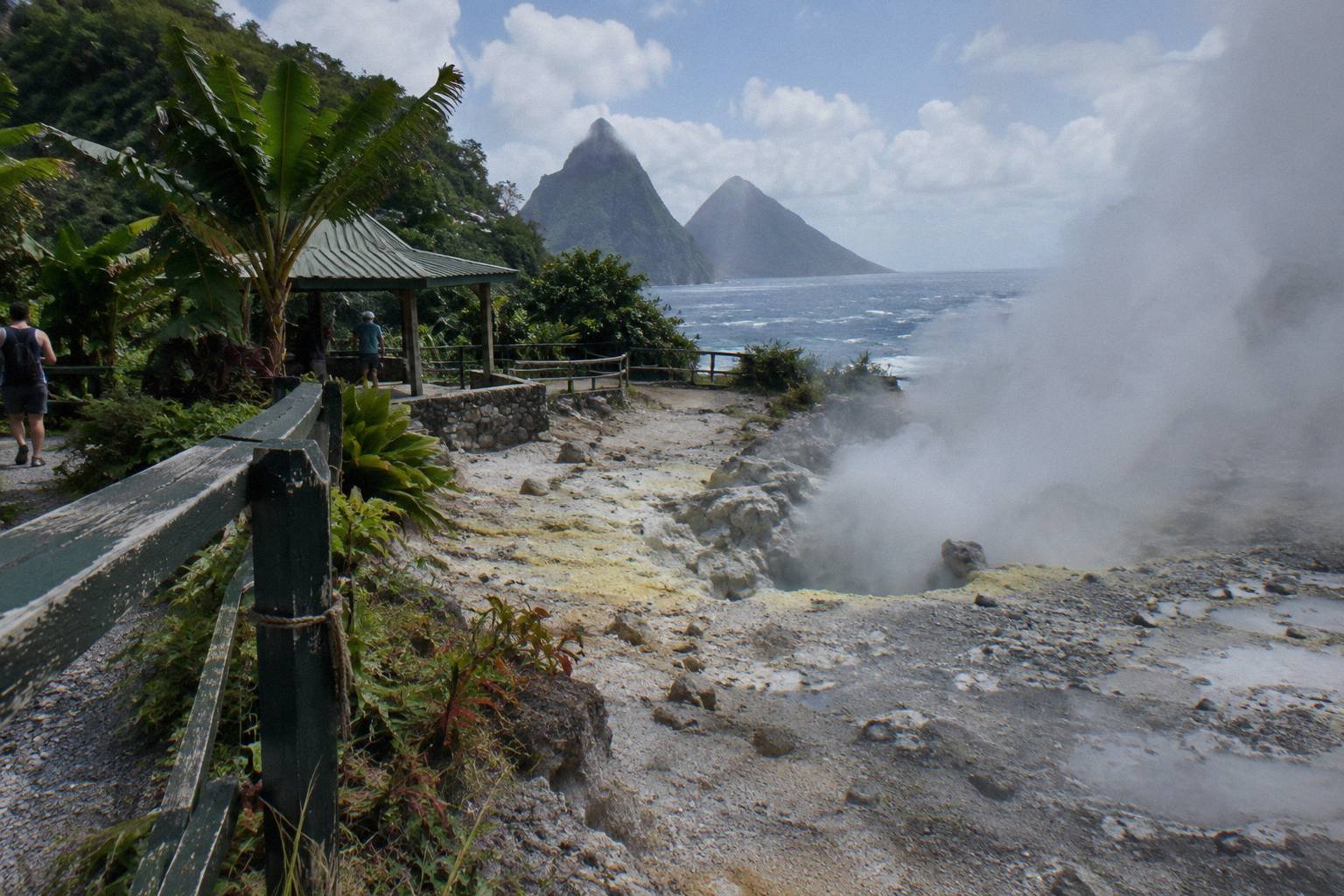
The smell is strongest right at the vents themselves and weakens steadily the farther you move away, so your distance from them is the single biggest factor in how intense the experience will be. Up close the odor is powerful and impossible to miss, while visitors who stay farther back generally find it noticeably milder. Standing at the fumarole field during the drive-in section, the smell is at full strength. Around the mud bath pools it is present but milder. At the car park and entrance it is faint. A few minutes down the road toward town it is gone. There is no measured concentration figure published for any of these zones, so this description stays qualitative, which is how the park itself describes it.
The tourist authority's practical guidance treats the smell and the heat as ordinary features of the visit. The Saint Lucia Tourism Authority page on Sulphur Springs recommends comfortable shoes, swimwear and a towel for the mud baths, and suggests morning or late afternoon as the best times to go. It makes no mention of the smell as a hazard, only as a fact of the place.
A useful framing for worried bookers: the strongest-smelling part of the visit is also the shortest for most people. The drive through the vent field takes minutes, and the bathing section is where visitors linger. Tour itineraries are built around this geometry, spending the bulk of a 4 to 8 hour day on waterfalls, viewpoints and lunch, with the geothermal zone as one stop among several.
Consider how the major operators structure it:
| Tour | Operator | Duration | Rating | Price | Format |
|---|---|---|---|---|---|
| Volcano Experience | Island Adventures St. Lucia | 7 to 8 hours | 5 across 533 reviews | from US$135 | Guided group, hotel and port pickup |
| Creole Lunch, Toraille Waterfall | Treasure Tours Ltd. St. Lucia | 5 to 6 hours | 4.6 across 220 reviews | from US$100 | Guided group, hotel and port pickup |
| Private Drive-In Volcano And Mud | H&A Tours Ltd | 5 to 6 hours | 4.9 across 124 reviews | from US$140 | Private, hotel and port pickup |
Every one of these is a full day out in which the smelly zone is a segment, not the whole. The smell does not follow the vehicle.
Does The Smell Follow You After The Mud Bath?
Mostly no, with one honest caveat. Once you rinse off properly, the smell itself stays behind, and your skin and hair come out fine after a normal shower. The exception is swimwear, since mud residue can cling to fabric and leave a faint trace of the smell even after a wash, which is good to know before you pack your favorite suit. The smell in the air dissipates as soon as you leave the geothermal area, and the mud itself rinses off in the warm spring water. The caveat is fabric: swimwear worn in the sulphur water can hold a faint odour until it is washed, which is one reason the practical advice on what to wear matters. Old or dark swimwear is the standard recommendation, and a rinse and wash afterwards handles the rest.
Nothing about the smell is documented as a lasting effect on skin, and no health claim belongs here one way or the other. What can be said is operational: the park provides the mud, the pools and the warm rinse, visitors provide their own towel and swimwear, and the tourism authority's packing list, shoes, swimsuit, towel, is the extent of the official guidance. Claims about time limits, who should avoid the bath, or medical cautions are not published by the park, so this article does not repeat them.
For visitors pairing the two big Soufriere water experiences, the Diamond Falls mineral baths and the mud bath comparison covers how the gardens differ, including their own entry prices, adults US$7, public baths US$6.
Which Tours Work Best If You Are Sensitive To The Smell?
Shorter road tours with flexible guides are the safest bet if you are sensitive to the smell, because they let you control how long you spend in the vent zone. A guide who can adapt the itinerary means you can retreat from the strongest fumes quickly, then rejoin the group once you feel comfortable again. A private tour in particular lets a guide adjust pacing, skip lingering at the fumaroles, and get to the waterfall or lunch portion sooner. Guided group tours run a set sequence, but even those spend only part of the day inside the geothermal area.
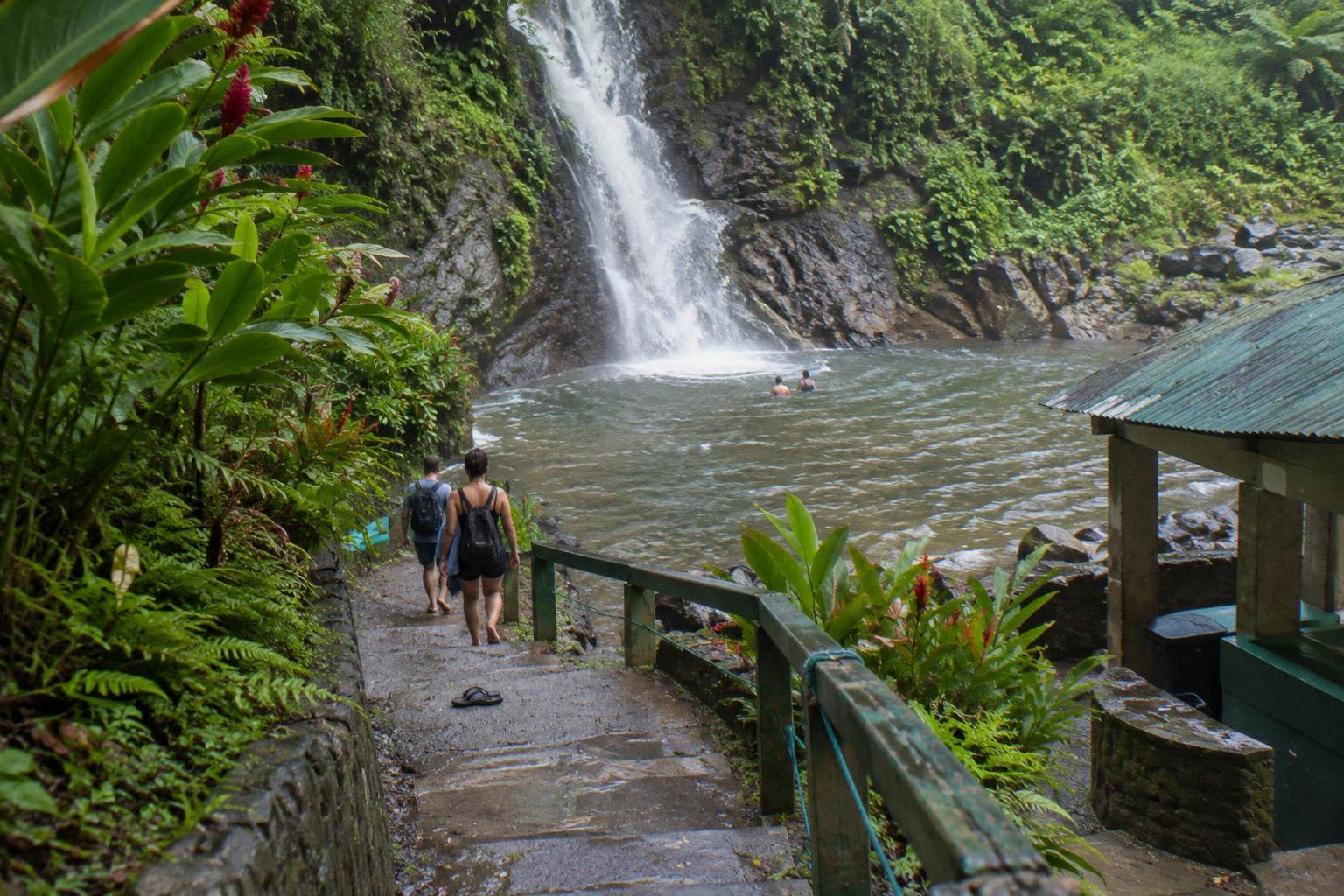
The FRAM Private Island Fun tour from FRAM Tours & Taxi Services, 4 to 6 hours, rated 4.9 across 29 reviews, from US$150 per person, covers the mud bath entrance and Toraille Waterfall entrance with cruise-port pickup, and its range of durations reflects a schedule that flexes with the group. The Wow Tours Island Drive from Wow Tours, meanwhile, is a road option rated 4.9 across 603 reviews from US$92 per person with hotel pickup and a guide, a 5 to 7 hour day that balances the springs against everything else along the coast.
Sea arrivals experience it differently. The Edmund Tours Land And Sea tour from Edmund Tours St. Lucia, a 6 hour 30 minute boat day rated 4.7 across 2,085 reviews, from US$125 per person with lunch, drinks and snorkelling gear included, reaches Soufriere by catamaran, so the geothermal stop is a single item in a day that mostly smells of salt and lunch. The same logic applies to the All Inclusive Land And Sea day from Julian Boat Tours, 5 hours, 4.9 across 498 reviews, from US$175.
For a full rundown, the whether the mud bath is worth it article weighs the experience against its cost, and the guide on choosing a mud bath tour by sea or by road compares the two formats in detail.
What Can You Do To Make The Smell Easier?
You can make the smell far easier to manage with a few simple steps built around timing, clothing, and expectations. Choose your moment with care, wear clothing you will not mind exposing to the smell, and go in accepting that the odor is simply part of the experience. None of this is complicated, and together these preparations take most of the difficulty out of the visit. Go in the morning or late afternoon as the tourism authority suggests, wear swimwear you do not mind rinsing well, bring a towel, and treat the vent-field drive as the scenic spectacle it is rather than an endurance test. Visitors who arrive knowing the smell is volcanic gases, not something wrong, consistently report it as a minor note in the day.
A few practical points that follow from the park's own published information:
- The park opens 9:00 am to 5:00 pm daily, including weekends and holidays, and closes only the first Friday of September each year, so timing a visit outside peak midday heat is easy.
- Entry fees are set by the park and can change; the current schedule has the bath at US$12 for adults, US$6 for children, and the combined volcano tour plus bath at US$16 and US$8.
- The bath portion means applying grey volcanic mud and rinsing in warm spring water, a sequence the park operator describes on its own pages.
- Getting there takes about 45 minutes by car from Hewanorra airport, or roughly 1 hour from Castries, about 42 km, so the smell is a destination feature, not something encountered en route.
The Volcano Experience from Island Adventures St. Lucia is a good example of a tour that handles this well, and it is worth a look on its own merits: a 7 to 8 hour guided day rated 5 across 533 reviews, from US$135 per person, with buffet lunch, drinks, all taxes and a driver-guide included, plus hotel and cruise-port pickup. Long day, short exposure to the vents.
Should You Worry About The Smell Before Booking?
Almost certainly not. The worry is usually much bigger than the reality, and it should not stop you from booking in the first place. Go ahead and reserve your stay with confidence, and if the smell ever does become a real issue after you arrive, you can address it then rather than letting it shape your plans now. The smell is localized, temporary and tied directly to the geothermal activity that makes the mud baths possible. Reviews of the major tours do not treat it as a dealbreaker; the recurring themes are the mud itself, the warm rinse, the waterfall stops and the lunch. Free cancellation within a 24 hour window applies to most of the tours named in this article, so the booking risk is low.
Common Mistakes Visitors Make About The Smell
The mistakes are predictable ones: treating the smell as constant, uniform, and inescapable, judging the whole destination by a single whiff, assuming it signals something unsafe or unclean, or swinging the other way and expecting not to notice it at all; nearly all of these errors are avoidable with five minutes of planning and realistic expectations. Most revolve around expectations, clothing and timing rather than the smell itself. Each of these trips someone up on a weekly basis at a park that sees visitors from every cruise ship and hotel zone on the island.
- Expecting the whole island to smell, and packing accordingly. It does not; the smell ends at the park boundary.
- Wearing brand-new or light-coloured swimwear and worrying afterwards. Old, dark swimwear and a proper wash solve this.
- Booking the longest tour available and then bracing for hours of sulphur. Even the 7 to 8 hour days spend only a fraction of that near the vents.
- Turning up midday in peak heat, when the tourism authority itself recommends morning or late afternoon.
- Assuming the mud bath and the volcano tour are the same ticket. They are separate entries, US$12 and US$10, or US$16 combined at the adult rate.
What Trips People Up On The Day?
On the day itself, it is rarely the smell that ruins things; instead, small logistical issues are what usually sour an otherwise fine visit. Worrying less about odor and more about the minor practical details of your trip is what tends to make the real difference. The first Friday of September closure catches a handful of visitors every year. Cash-versus-card assumptions at the gate, drive times underestimated from the north of the island, and swimwear forgotten in the hotel are the routine stumbles. None of them relate to sulphur, and all of them are fixed by reading the park's hours and fees before setting out.
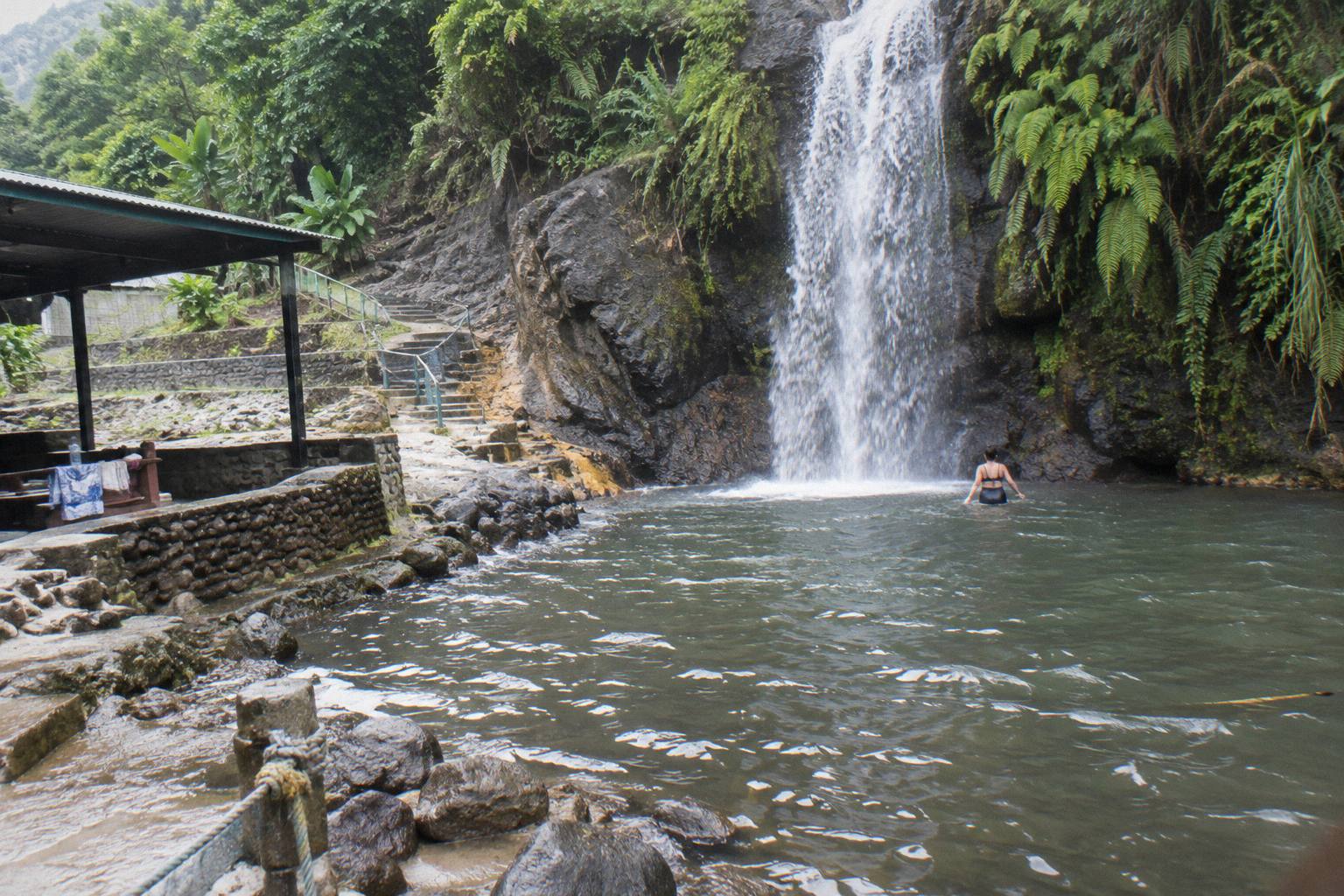
The Creole Lunch, Toraille Waterfall tour from Treasure Tours Ltd. St. Lucia bundles away most of this friction: 5 to 6 hours, 4.6 across 220 reviews, from US$100 per person, with entrance fee, lunch, beverages, a driver-guide and hotel or port pickup and drop-off all included, plus free cancellation within 24 hours. When entrance fees and transport are handled, the only decisions left on the day are how long to stay in the mud and what to eat.
Which Booking Should A Smell-Worried Visitor Choose?
Choose a guided booking that bundles the entrance fee into one simple ticket, keeps your stop at the vent short and efficient, and carries you straight to something green and wet right after, so the smell never lingers long enough to take over your day. The FRAM Rejuvenating Mud Bath tour does exactly this, and so do several combos that add waterfalls, gardens or lunch. Private options add control over pacing. The Diamond Baths And Waterfall Combo day from H&A Tours Ltd, 6 to 7 hours, rated 5 across 671 reviews, from US$139 per person with lunch and drinks included, is one such pairing of mineral bathing with a fuller island day, and the same operator's Private Drive-In Volcano And Mud tour, 4.9 across 124 reviews from US$140, covers both entrance fees in a private format with hotel and cruise-port pickup.
Whatever the choice, the underlying answer to the question does not change: the sulphur smell is real, local and temporary, while the rest of St Lucia smells like sea, rain forest and lunch. These three options cover the range of approaches:
Common Questions About The Sulphur Springs Smell
Does St Lucia Smell Like Sulfur At The Sulphur Springs Mud Bath?
Yes. The Sulphur Springs geothermal park releases sulphur-bearing gases from its boiling springs and fumaroles, and the immediate area has a rotten-egg smell. It is strongest at the vents, milder at the mud bath pools, and gone within a short drive. The rest of St Lucia does not share the smell.
Can You Smell Sulphur In Soufriere Town?
The smell is concentrated at the geothermal area, not in town. Soufriere itself is a normal Caribbean town by the sea, and the sulphur note fades within minutes of leaving the park. There is no verified report of the town carrying the smell.
Does The Mud Bath Smell Stay On Your Skin?
The grey volcanic mud is rinsed off in warm spring water as part of the bathing sequence, and the airborne smell ends when you leave the area. Swimwear can hold a faint odour until washed, which is why older, darker swimwear is the usual advice. No lasting skin effect is documented by the park.
Is The Sulphur Smell Harmful?
The park operates daily from 9:00 am to 5:00 pm and describes the visit as a standard tourist activity, with guidance limited to wearing comfortable shoes, swimwear and bringing a towel. No health claims, cautions or exposure limits are published in the verified park information, so none are stated here.
Which Part Of The Visit Smells Most?
The drive-in volcano section, where vehicles pass the boiling springs and steaming vents, is the strongest-smelling part. Geothermal features there run 70 to 90 °C at the springs and up to 172 °C at the fumaroles. The mud bath pools are milder, and the car park is faint.
Can You Avoid The Smell And Still Do The Mud Bath?
You cannot remove the smell from a geothermal spring, but you can limit exposure: choose a tour that keeps the vent-field drive brief, go in the morning or late afternoon, and move on to a waterfall or lunch stop right after. Most tours are structured exactly this way.