The Sulphur Smell At The Mud Bath: What To Expect At The Springs
The sulphur smell is the single most searched worry about the Soufriere mud baths. Here is what the geology actually produces, where you notice it, and how the tours that visit the springs handle it.
Short answer
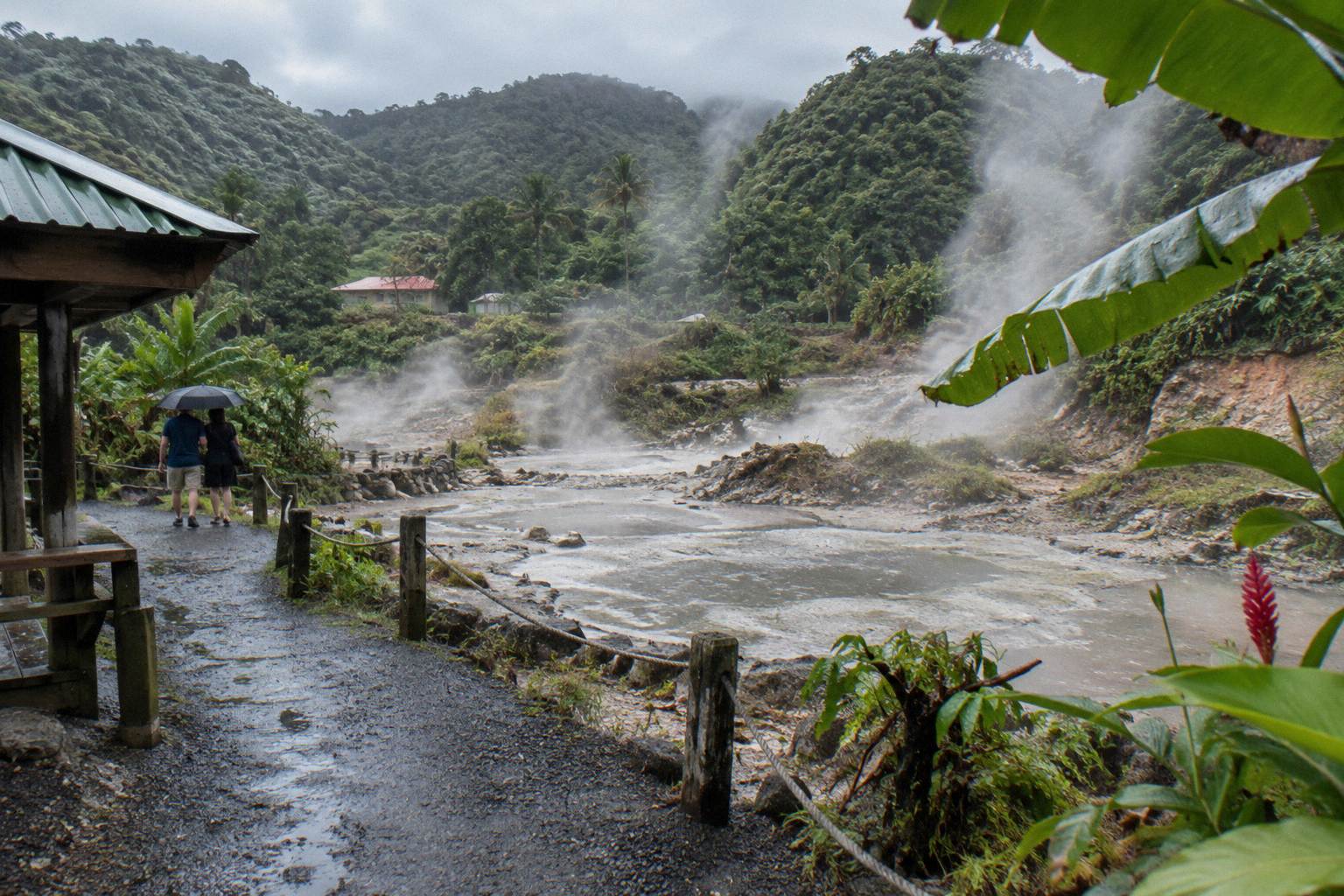
The smell comes from sulphur gases released by the geothermal vents inside the Qualibou caldera, where boiling springs run 70 to 90 °C and fumaroles reach up to 172 °C. It is strongest right at the vents and the drive-in volcano zone, milder around the bathing pools, and it fades as you move away from the park toward Soufriere town.
This guide is part of the research collected at St Lucia Mud Bath, the hub for every mud bath question from fees to tour formats.
Quick Facts About The Smell
Yes, the smell is real, and most visitors notice it soon after arriving: this section covers what it actually is, what causes it, how strong it tends to be at different times and places, and whether you should let it put you off visiting.
Why Sulphur Springs Smells The Way It Does
The smell comes straight from the volcano itself, because Sulphur Springs sits inside the Qualibou caldera near Soufriere, where the geothermal field still actively vents gas through boiling springs at 70 to 90 °C and fumaroles reaching up to 172 °C. Those gases include sulphur compounds, which the human nose reads as rotten eggs, so no smell would mean no geothermal activity and no reason for the baths.
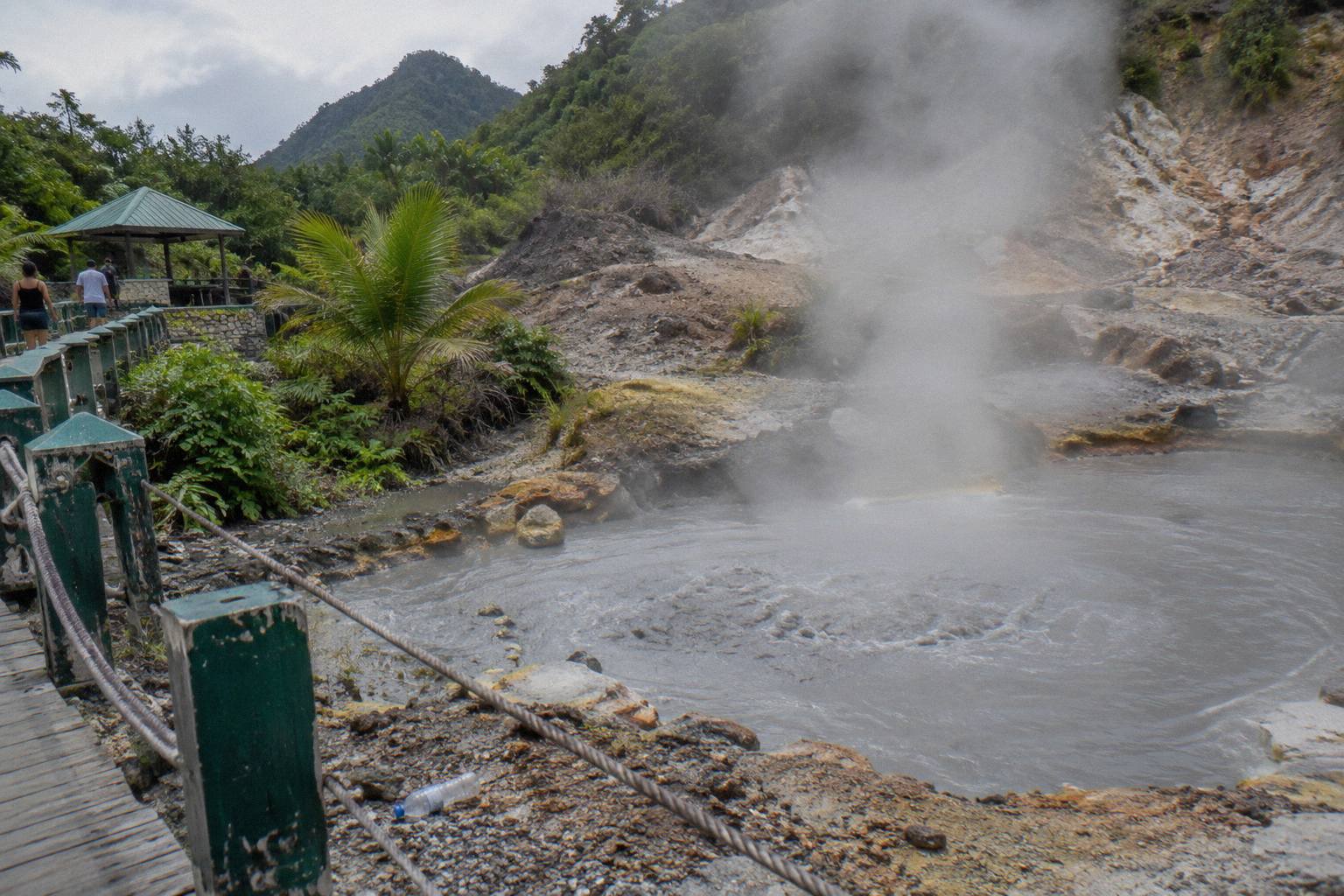
The Soufriere Regional Development Foundation, the body that runs the park, describes the experience as a drive into the geothermal zone past bubbling mud pools and steaming vents. That drive-in volcano section is where the vents are, and it is where the air carries the strongest sulphur note. The last recorded eruption in St Lucia was in 1766, a phreatic event in the Sulphur Springs area, and the geothermal system that produced it is still working underground, which is exactly why the springs stay hot and the smell stays present. The park is not dormant in any sense a geologist would use, and this guide makes no claim beyond what the official geology pages state.
The broader setting matters too. Sulphur Springs lies within the Pitons Management Area, inscribed by UNESCO as World Heritage in 2004. The same tectonic setting that lifted the Pitons feeds the caldera's heat. When you stand at the vents and catch that sharp eggy tang, you are smelling the caldera doing what it has done for centuries.
The distinction between the two halves of the park is the single most useful thing to understand. The volcano tour takes you to the geothermal features: the boiling springs, the fumaroles, the drive-in crater. The bath is separate access to the mineral and mud pools, including the Black Water Pool. The smell belongs mainly to the first half. The bathing water is mineral-rich rather than violently steaming, and the difference is noticeable within a few steps of walking between the two.
How Strong The Smell Actually Is At The Mud Bath
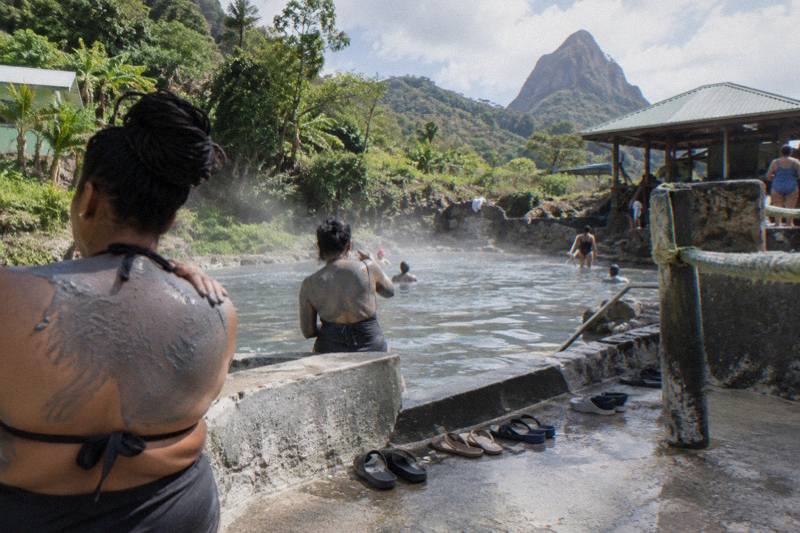
The smell at the mud bath pools themselves is mild to moderate, not overwhelming, according to most visitors. Only the vents and boiling springs in the volcano zone carry strong concentrations, and that is a separate part of the visit; the mud has a sulphur note while on your skin, but it fades through the day once you rinse in the warm spring water.
The honest framing is qualitative. The geothermal vents and boiling springs release sulphur gases; there is no published gas concentration figure and no basis for a health claim in either direction. What can be said is spatial: the smell follows the vents. People who take only the bath, entering directly at the pools, generally describe a faint note in the air and a stronger note in the mud. People who take the volcano tour first walk through the plume zone, and that is where noses wrinkle.
Sensitivity varies enormously, and it is fair to plan for the lower tolerance in your group rather than the higher one. A visitor with asthma or a sharp sense of smell will notice the volcano zone more than a companion who grew up near a paper mill. The Saint Lucia Tourism Authority's own page on the springs recommends comfortable shoes, swimwear and a towel, and suggests morning or late afternoon as the best times to visit. It says nothing about the smell being a problem, and it says nothing promising it away either.
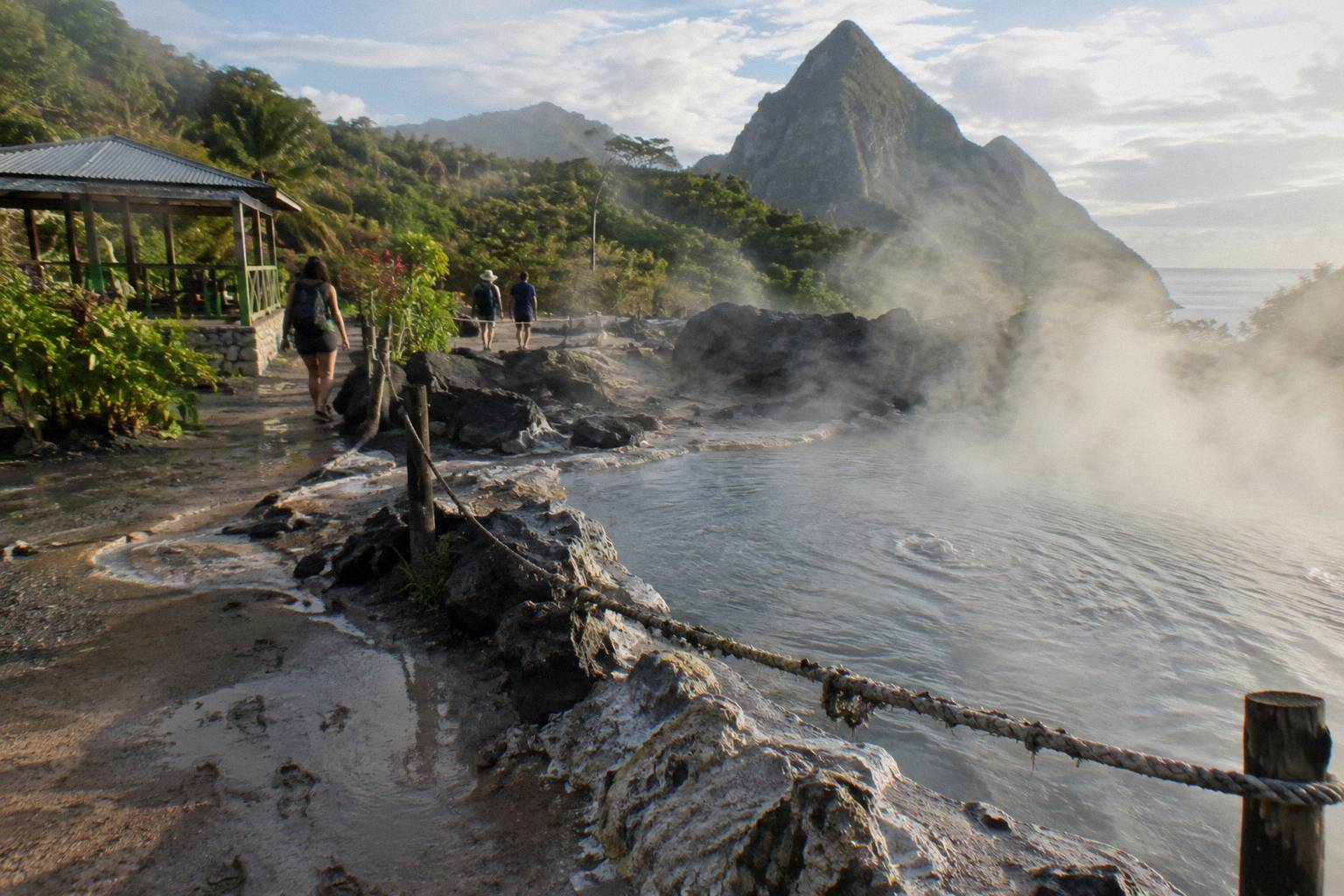
If reassurance is what you are after, the practical version is this: the smell is a feature of the volcano zone, a soft background note at the pools, a temporary coat on the skin during the mud stage, and gone after a proper rinse. Nobody can promise you a smell level, a weather outcome or a skin result, and any tour description that does is overselling. What the tours can do is structure the day so the smell is one chapter of it rather than the whole story.
If you would rather have a guide arrange the whole visit, the FRAM Rejuvenating Mud Bath by FRAM Tours & Taxi Services includes the Sulphur Springs mud bath entrance fee, hotel and cruise-port pickup, light snacks and a local Piton Beer, from US$132 per person, rated 4.8 across 338 reviews, with free cancellation inside a 24 hour window. It is one of three sensible picks for a smell-wary first visit:
The FRAM tour is the focused road visit with the entrance fee already handled. The Wow Tours Island Drive by Wow Tours, rated 4.9 across 603 reviews and from US$92 per person with hotel pickup, is the budget-friendly island drive that includes the springs in a wider loop. Edmund Tours Land And Sea by Edmund Tours St. Lucia, the most reviewed trip in this category at 4.7 across 2,085 reviews and from US$125 per person, approaches by boat, which changes the rhythm of the day entirely.
Does The Smell Reach Soufriere Town
No, the sulphur smell does not blanket Soufriere town. The park sits in the Soufriere area, and the smell is tied to the vents themselves, so it is local to the geothermal zone and the immediate approach. Beyond the park boundary the air is ordinary Caribbean air. The town, the waterfront and the surrounding beaches carry no standing sulphur note, and there is no basis for claiming the gas drifts into town in any concentration.
The park and the town are different places, a distinction that matters more than it sounds. Sulphur Springs is a fenced, ticketed geothermal site several minutes' drive up the hill from Soufriere's waterfront, run by the Soufriere Regional Development Foundation with its own gate, schedule and fee structure. Soufriere is the town at the foot of the Pitons where the boats dock and the restaurants are. Visitors who spend the morning at the baths and the afternoon in town routinely notice the smell vanish somewhere on the road between the two.
The same caution cuts the other way, too. This guide makes no claim about how gas moves beyond the statement that the park sits in the Soufriere area, because no official source documents a drift pattern. What is documented is geography: about 45 minutes by car from Hewanorra airport at Vieu Fort, and roughly one hour and 42 km from Castries, per the tourism authority and the park's own location page. Within that geography, the smell belongs to the caldera, not the coastline.
For visitors pairing the bath with a waterfall, the practical worry is usually whether the two experiences blend. They do not. Toraille Waterfall, about US$3 per person to enter by operator listing text, is a freshwater fall minutes away by road, and a Creole Lunch, Toraille Waterfall tour by Treasure tours Ltd. St. Lucia, rated 4.6 across 220 reviews and from US$100 per person with hotel and cruise-port pickup, includes the entrance fee, lunch and a driver-guide. The waterfall rinse is the natural antidote to the mud stage, and the day moves from sulphur to clean river water within the hour.
Does The Sulphur Smell Stick To You After The Bath
Yes, briefly: the grey volcanic mud and warm spring water carry a sulphur note that clings to skin and hair until rinsed, but after the rinse stage and a shower back at the hotel, most visitors find the smell gone from skin the same day. Swimwear and towels are the weak point, holding a trace of the scent through a wash or two.
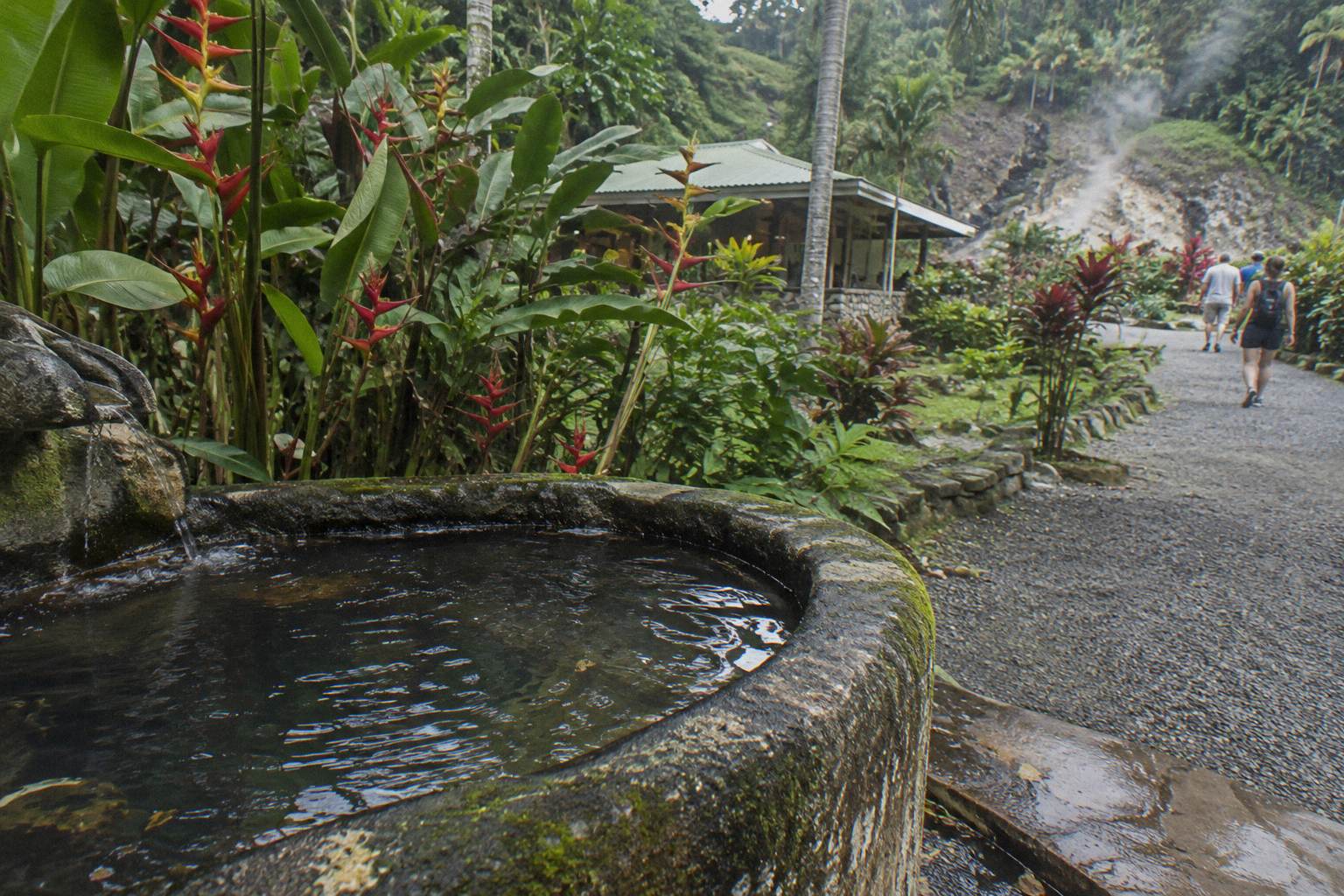
The routine, as the tourism authority describes it, is to apply the grey volcanic mud, let it dry, then rinse in the warm spring water. The drying stage is when the sulphur note on your skin is at its most obvious, and the rinse is when it drops away. Hair, being slower to flush than skin, can keep a faint note into the evening. None of this is a medical claim; it is simply what the material is. Volcanic mud rich in sulphur minerals smells of sulphur minerals.
The clothing question deserves its own paragraph because it is the one people regret. The mud is fine grey silt and it works into weave. A dark, older swimsuit and a towel you do not love are the right equipment, and the same logic applies to anything that sits on a bench near the pools. The tourism authority's packing list is short and worth following exactly: comfortable shoes, swimwear, and a towel. Nothing about jewelry rules, time limits or changing facilities is officially documented, so this guide prints nothing on those points rather than repeating traveller folklore as fact.
| Item | Why It Matters For The Smell |
|---|---|
| Older dark swimsuit | The grey mud and mineral water can leave a trace through washes |
| Towel you do not love | Same risk, and you will want it at the rinse stage |
| Comfortable shoes | The walk between volcano zone and pools is on volcanic ground |
| Plastic bag for wet items | Keeps the sulphur note out of your day bag |
| Change of clothes | Lets the day continue in town without carrying the pools with you |
When The Smell Is At Its Strongest
The smell follows the vents, the heat, and the day's activity rather than the clock, and it hits hardest inside the volcano tour zone where the boiling springs and fumaroles sit. Around the bathing pools and on the approach it stays softest, and the tourism authority recommends morning or late afternoon as the best times to visit generally.
Morning visits have a practical logic beyond the authority's advice: the park is at its freshest, the day is cooler, and tour groups from the cruise port tend to arrive later. A late afternoon visit trades some heat relief for a thinner crowd profile at the pools. Neither slot changes the geology. The vents vent when they vent, and anyone promising a low-smell hour is guessing.
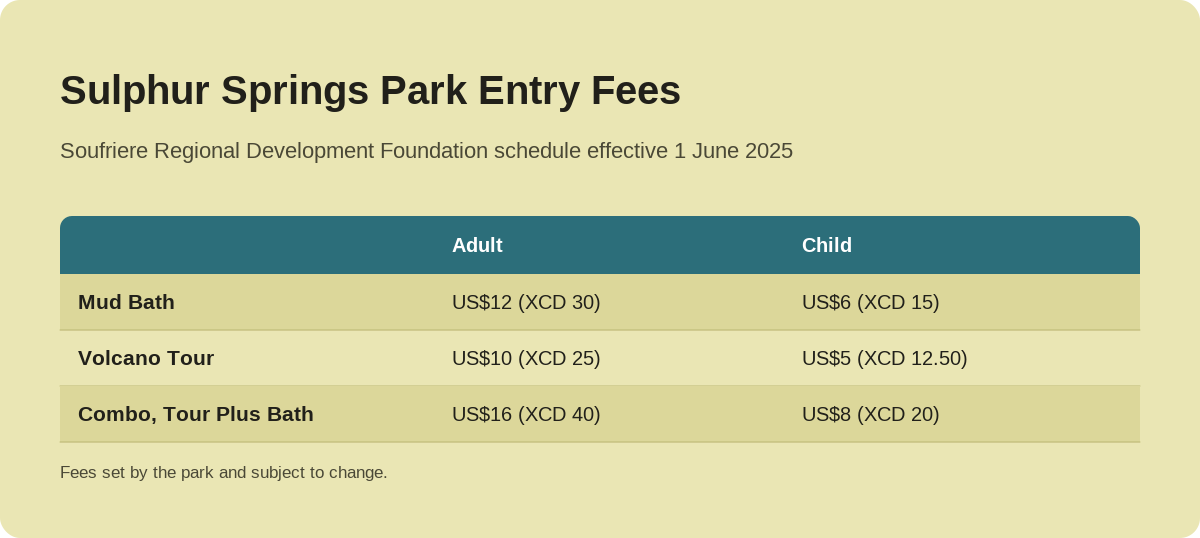
Weather is the wildcard, and no honest page can forecast it. Rain can dampen dust and sharpen steam; breeze direction can push the plume one way or another across the crater walk. Conditions allowing, the volcano zone is a short chapter of a longer visit. The full park offering is priced by the Soufriere Regional Development Foundation on a schedule effective 1 June 2025, with fees set by the park and subject to change:
| Park Access | Adult | Child |
|---|---|---|
| Mud bath | US$12 (XCD 30) | US$6 (XCD 15) |
| Volcano tour | US$10 (XCD 25) | US$5 (XCD 12.50) |
| Combo, tour plus bath | US$16 (XCD 40) | US$8 (XCD 20) |
The combo figure is the one worth reading twice. For US$4 more than the bath alone, an adult gets the volcano tour as well, and the tour is where the smell story actually lives. Skipping it to dodge the smell is a legitimate choice, but it means missing the boiling springs and the drive-in crater that make the site famous.
Tours That Handle The Smell Question Well
The operators that suit smell-wary visitors are the ones that keep the volcano zone short, build in a rinse or a swim afterward, and leave time in the itinerary for a proper shower before dinner. Road tours with a waterfall stop do this naturally, sea tours even more so, and the longer combo formats turn the springs into one stop among several rather than the whole outing. Here are four formats that each solve the problem differently.
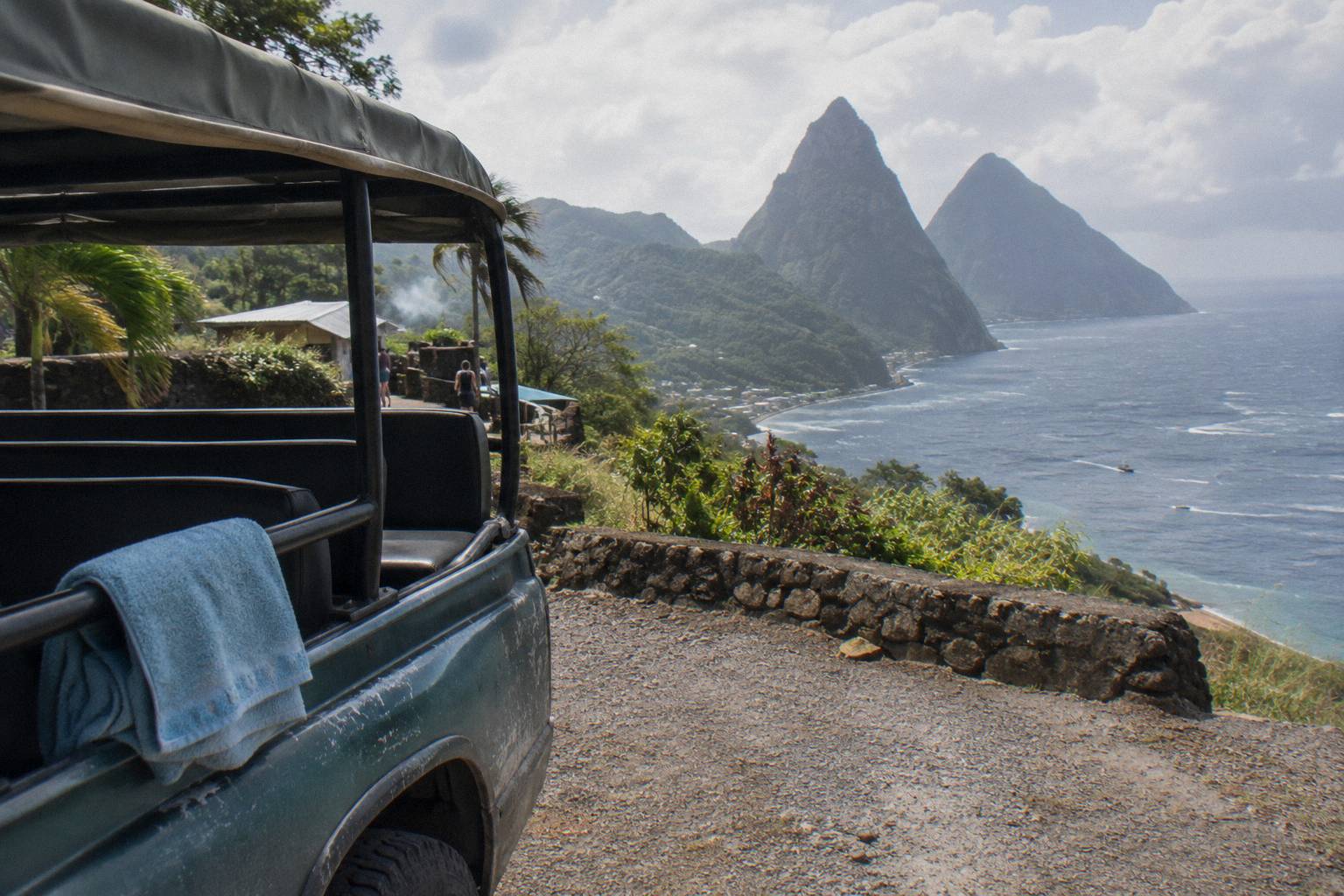
The Volcano Experience, 7 To 8 Hours by Island Adventures St. Lucia is the full-day road answer: hotel and cruise-port pickup, buffet lunch, drinks and all fees folded in, from US$135 per person, rated 5 across 533 reviews, free cancellation inside 24 hours. A seven to eight hour itinerary spreads the springs across a whole coast-to-coast day, so the mud stage is followed by hours of other stops before anyone sits down for the evening.
The Creole Lunch, Toraille Waterfall tour by Treasure tours Ltd. St. Lucia, covered earlier, is the rinse-first design, pairing the bath with a freshwater waterfall and a sit-down lunch. For a longer list of pairings, see the guide to the best waterfall to pair with the mud bath.
The Diamond Baths And Waterfall Combo by H&A Tours Ltd is the flexible option: 6 to 7 hours, rated 5 across 671 reviews, from US$139 per person with lunch, drinks and a knowledgeable local driver-guide included, free cancellation inside 24 hours. Its sibling, the Private Drive-In Volcano And Mud by the same operator, is the genuinely private version: 5 to 6 hours, hotel and cruise-port pickup, both the Sulphur Springs and Toraille entrance fees included, rated 4.9 across 124 reviews, from US$140 per person.
A sea-first format solves the smell question by immersion. Edmund Tours Land And Sea, the most reviewed tour at 4.7 across 2,085 reviews, runs 6 hours 30 minutes by boat with lunch, drinks, snorkelling gear and a bat cave visit, from US$125 per person. Salt water after mineral water is its own kind of rinse. The All Inclusive Land And Sea by Julian Boat Tours, 5 hours by sea with lunch, drinks and snorkel gear, from US$175 per person and rated 4.9 across 498 reviews, works the same way. The detailed trade-off between road and boat formats is laid out in choosing a mud bath tour by sea or by road.
| Tour | Operator | Format | Duration | Rating | From |
|---|---|---|---|---|---|
| Volcano Experience, 7 To 8 Hours | Island Adventures St. Lucia | Guided road, hotel and port pickup | 7 to 8 hrs | 5.0 from 533 reviews | US$135 |
| Diamond Baths And Waterfall Combo | H&A Tours Ltd | Guided group | 6 to 7 hrs | 5.0 from 671 reviews | US$139 |
| Private Drive-In Volcano And Mud | H&A Tours Ltd | Private, hotel and port pickup | 5 to 6 hrs | 4.9 from 124 reviews | US$140 |
| Creole Lunch, Toraille Waterfall | Treasure tours Ltd. St. Lucia | Guided road with waterfall | 5 to 6 hrs | 4.6 from 220 reviews | US$100 |
| Edmund Tours Land And Sea | Edmund Tours St. Lucia | Guided, by sea | 6 hrs 30 min | 4.7 from 2,085 reviews | US$125 |
Note that booked durations are whole-tour lengths including transfers, stops and lunch, not time at the mud bath itself. The bath stage of any of these days is a fraction of the itinerary.
Common Mistakes Visitors Make About The Smell
The recurring mistakes are all forms of over-anticipation or under-preparation. People either talk themselves out of the visit entirely over a smell they would barely register, or they arrive in a brand-new swimsuit with no towel and no plan for the mud stage. Both errors are cheap to avoid, and neither requires buying anything beyond what the tourism authority already puts on its packing list. Here is what actually trips people up.
| Mistake | What Happens | The Fix |
|---|---|---|
| Wearing a new or light-coloured swimsuit | The grey mud and mineral water can mark it | Bring an older dark suit |
| Skipping the volcano tour to dodge the smell | You miss the boiling springs and drive-in crater for US$4 more | Take the combo at US$16 adult |
| Expecting the smell all over town | Unnecessary worry; the vents are local to the park | Plan town time freely |
| No towel or change of clothes | The mud stage ends damp and mineral-scented | Follow the authority's packing list |
| Assuming a tour promises a smell level | No operator controls the vents | Read itineraries for structure, not scent claims |
The deeper mistake is treating the smell as a verdict on the whole experience. The springs are a live geothermal field inside a World Heritage setting, the last eruption recorded on the island was in 1766, and the mud bath routine, grey mud, dry, rinse, has run the same way for generations of visitors. The smell is the certificate of authenticity. For visitors who genuinely cannot tolerate sulphur notes at any level, the honest advice is in the guide to whether the mud bath is worth it if you hate the smell, and the milder mineral alternative at Diamond Falls Botanical Gardens is covered in the Diamond Falls and mineral baths pairing, where garden entry is US$7 for adults and the public baths US$6, per the garden's own visit page.
Common Questions About The Sulphur Smell
Why Does The Mud Bath At Sulphur Springs Smell Like Rotten Eggs?
The smell comes from sulphur gases released by the geothermal vents inside the Qualibou caldera. Boiling springs in the park run 70 to 90 °C and fumaroles reach up to 172 °C, and the gases they release are what your nose reads as rotten eggs. The smell is a sign the geothermal system is live.
Is The Sulphur Smell Dangerous?
No official source publishes gas concentration data or health guidance for the park, so no page should claim danger or safety in either direction. What is documented is that visitors have bathed at the site for generations under the park's normal operations. Anyone with a respiratory condition should treat the volcano zone, where the vents are, as the part worth pacing themselves through.
Can You Smell Sulphur In Soufriere Town?
The park sits in the Soufriere area, and the smell is local to the vents and the geothermal zone. The town itself, the waterfront and nearby beaches carry no standing sulphur note. There is no documented gas drift into town.
Does The Sulphur Smell Stay On Your Skin And Hair?
While the grey volcanic mud is on you and until the warm spring rinse, yes. After rinsing, the note on skin fades the same day; hair can hold a trace into the evening. Swimwear and towels used in the pools can keep a faint trace through a couple of washes, which is why an older dark swimsuit is the standard advice.
When Is The Smell Weakest At The Mud Bath?
The smell tracks the vents, not the clock, so no operator or page can promise a low-smell hour. The bathing pools carry a milder note than the volcano zone, and the tourism authority recommends morning or late afternoon as the best visiting times generally. The park opens 9:00 am to 5:00 pm daily, closed the first Friday of September.
Which Tours Are Best If You Are Worried About The Smell?
Formats that keep the volcano zone short and build in water afterward: the FRAM Rejuvenating Mud Bath for a focused visit with entrance included, the Creole Lunch, Toraille Waterfall tour for a freshwater rinse right after, or a sea tour like Edmund Tours Land And Sea where salt water and snorkelling follow the springs within the same day.
If the smell question is settled and the planning question is next, the three formats below are where most smell-wary first-time visitors land:
Keep reading: How the volcanic mud bath works step by step, what to wear to the Sulphur Springs mud bath, and whether the mud bath is worth it if you hate the smell. For fees, hours and booking, see the full hub at St Lucia Mud Bath.