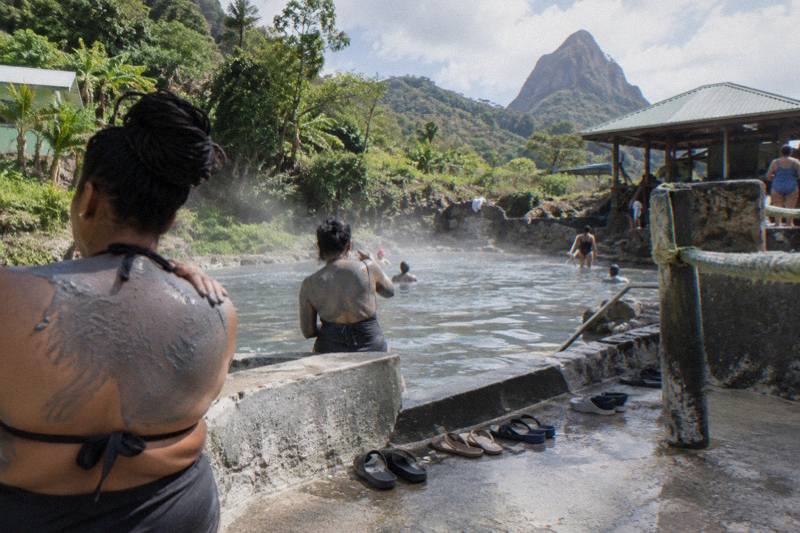
Can You Skip The Smell And Still Enjoy The Mud Bath?
A plain answer for smell-sensitive visitors to Sulphur Springs in St Lucia: what the odour actually is, where it sits, and how to plan a mud bath day around it.
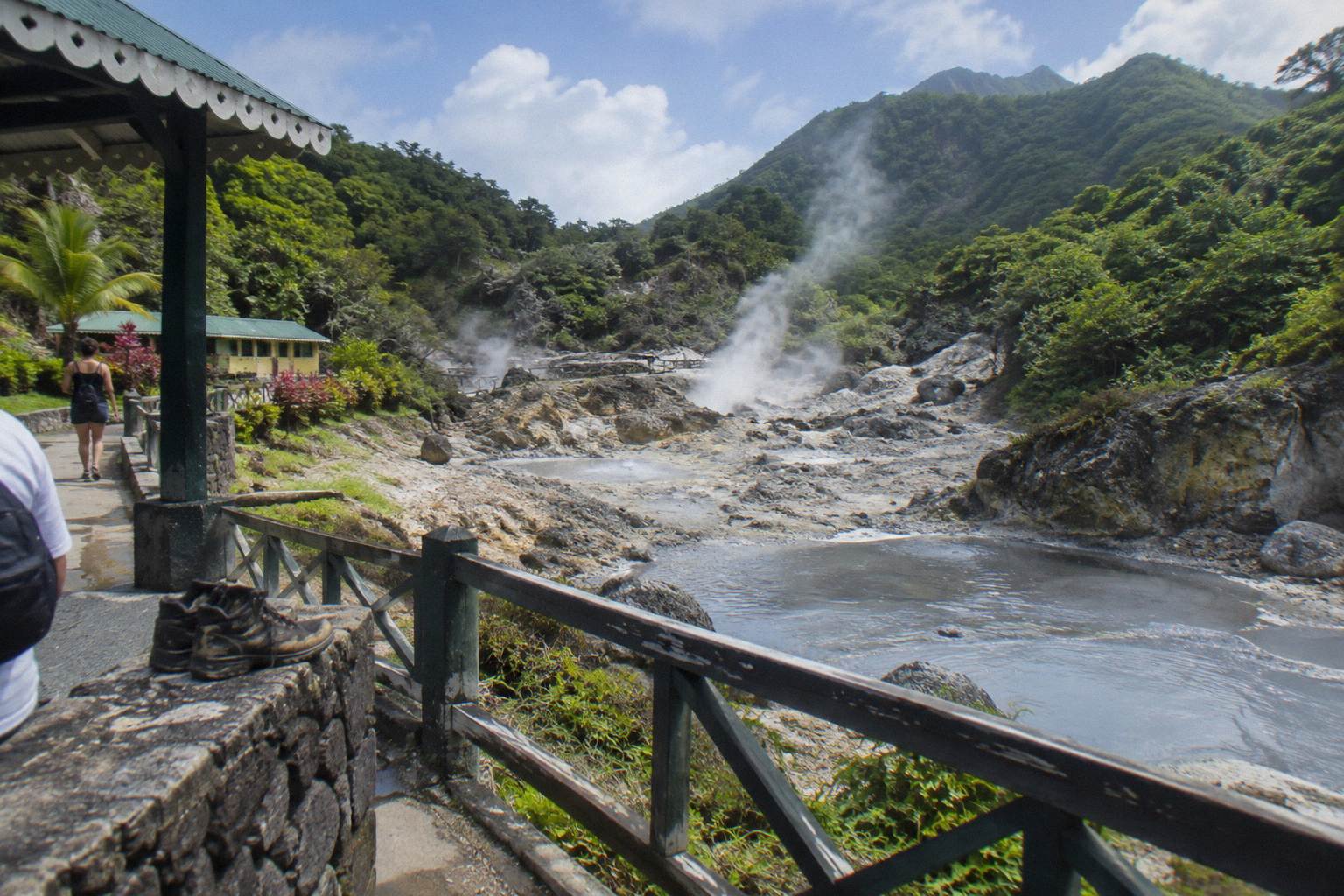
In short: Yes, mostly. The sulphur odour at Sulphur Springs belongs to the geothermal area itself, the boiling springs and steaming vents inside the Qualibou caldera, and it is strongest right next to those features. The mud bath pools are a separate zone, the whole experience is outdoors in moving air, and plenty of visitors who dislike eggy smells leave glad they went. Planning around the smell, rather than hoping it away, is what makes the difference.
This article sits within the wider St Lucia Mud Bath library, which covers everything from entrance fees to what to wear. The short version of the smell question: the odour is a property of the geothermal field, it does not follow you down the mountain, and nobody can promise you a smell-free volcano visit. What you can control is timing, route and how long you linger in the strongest spots.
| Quick fact | Detail |
|---|---|
| Park operator | Soufriere Regional Development Foundation |
| Hours | 9:00 am to 5:00 pm daily, including weekends and holidays |
| Annual closure | First Friday of September |
| Bath entry, adult | US$12 (XCD 30) |
| Bath entry, child | US$6 (XCD 15) |
| Volcano tour, adult | US$10 (XCD 25) |
| Combined ticket, adult | US$16 (XCD 40) |
Fees are set by the park and can change. The figures above come from the schedule the Soufriere Regional Development Foundation published for visits from 1 June 2025, and they are the numbers to trust over older figures quoted on some tour pages.
Not entirely, no: a live geothermal field comes with its smell, and nothing you pack will erase it. But yes, you can still enjoy the mud bath, because the trick is keeping the odour at the edges of your day rather than the centre of it, so the soak stays the main event instead of the scent. The odour comes from sulphur gases rising through the boiling springs, which run 70 to 90 °C, and the fumaroles, which reach up to 172 °C. Those temperatures belong to the geothermal features, not the bathing water. The bath pools sit in their own area, and the entire site is open air.
Start with what the smell actually is. Sulphur Springs sits inside the Qualibou caldera, a collapsed volcanic crater near the town of Soufriere in the southwest of the island. The last recorded eruption in St Lucia was in 1766, a phreatic event in this same area, and the ground is still actively venting gas and heat. That activity is the whole reason the park exists. The grey mud, the warm mineral water, the steam you drive through on the volcano tour: all of it is produced by the same geothermal system that releases the sulphur compounds you can smell. The Saint Lucia Tourism Authority's page on Sulphur Springs describes the experience as bubbling mud pools and steaming vents, with the bath itself being an application of grey volcanic mud followed by a rinse in warm spring water. None of that happens in an enclosed room.
This matters for the hesitant visitor in a specific way. Enclosed sulphur experiences, spa caves, indoor pools, can hold odour in a way that feels inescapable. Sulphur Springs is the opposite. You are outside, on a hillside, with the trade winds moving air through constantly. The smell is strongest at the vents and the boiling springs, moderate around the bath pools, and essentially gone once you are back on the road toward Soufriere town. Nobody can honestly promise you a specific intensity on a specific day, because wind, rain and vent activity all vary. What the geography does promise is that the odour is local, not island-wide, and not permanent on your skin or clothes after a proper rinse and a change.
If the answer is "yes, with planning", the planning falls into a few buckets: when you go, what you book, what you wear, and where you direct your attention once inside the park. The rest of this article works through each one, with the actual tour options named so you can match a booking to your tolerance level. The tours described here range from a straightforward road trip with FRAM Tours & Taxi Services to full land-and-sea days with Edmund Tours, and they differ meaningfully in how much time they spend inside the geothermal zone versus elsewhere on the island.
The FRAM Rejuvenating Mud Bath by FRAM Tours & Taxi Services is the focused choice: 4 to 5 hours, from US$132 per person, rated 4.8 across 338 reviews, with the Sulphur Springs mud bath entrance fee included, so you are not paying for a long day centred on the volcano. The Wow Tours Island Drive by Wow Tours, from US$92 per person and rated 4.9 across 603 reviews, is the cheapest way to see Soufriere with hotel pickup included. And the Edmund Tours Land And Sea, the most reviewed trip at 4.7 across 2,085 reviews, from US$125 per person for 6 hours 30 minutes, splits your day between boat time and the springs, which naturally dilutes the time your nose spends at the vents.
Where The Sulphur Smell Actually Sits
The sulphur smell is at its strongest inside the geothermal zone, concentrated around the boiling springs and fumaroles. Around the mud bath pools it is still present but noticeably softer, while the surrounding towns and roads carry no odour at all. The park's own geology notes put the boiling springs at 70 to 90 °C and the fumaroles at up to 172 °C. Those are the features doing the smelling. The bath area is a short distance away, downhill and in open air, and the drive back toward Soufriere leaves the geothermal gases behind within minutes.
Understanding the layout of the site helps you pace yourself. The volcano tour portion takes you into the caldera floor, past steaming cracks and bubbling grey pools, and this is where the smell is at its most noticeable. Guides keep the vehicle moving through the strongest sections. The bath pools, including the Black Water Pool, are a separate area where you apply the mud, let it dry, and rinse in the warm spring water. The two experiences are close physically but distinct in character, and many smell-averse visitors treat the volcano drive as the "hold your breath a little" part and the bath as the reward.
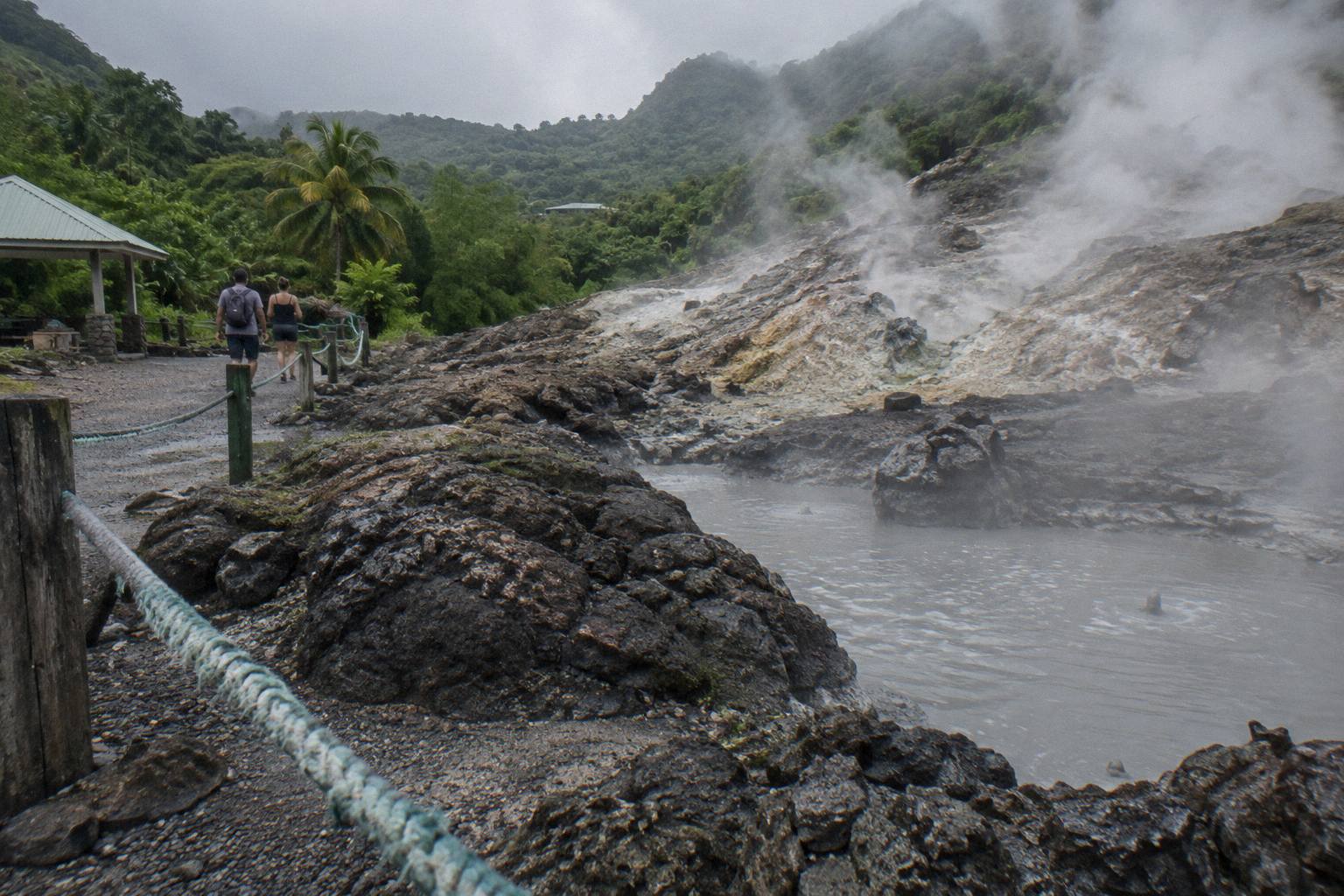
What the smell does not do is follow you around St Lucia. Soufriere town, the beaches, Castries, Rodney Bay: these are ordinary Caribbean air. The geothermal field is a few square kilometres on one flank of one caldera. If you have read trip reports claiming the whole island reeks, those reports are describing a windy day at the vents, not the island. Equally, do not let anyone tell you the smell is "nothing", because on a still afternoon right at the springs it is unmistakably sulphur. The honest framing sits between the two: local, real, and short-lived.
It is also worth separating the smell from the experience in your own head before you arrive. The odour is the signature of an active geothermal system, the same system that produces the mineral mud people come for. Some visitors find that reframing changes the whole visit: the smell becomes evidence that the ground beneath you is genuinely alive, which is the thing that makes this site different from a manufactured spa. Others simply minimise their time at the vents and maximise it in the bath. Both strategies work, and neither requires you to pretend the smell is not there.
Choosing A Tour That Suits A Sensitive Nose
The right tour for a smell-sensitive visitor is one that limits time in the geothermal zone and spends the rest of the day on waterfalls, beaches, boat time or town stops, giving the nose plenty of breaks and keeping the strongest smells confined to one short, manageable visit. Combo tours and land-and-sea trips do this by design. A dedicated volcano-only excursion does the opposite. Look at the booked duration honestly: it covers the whole tour including transfers and stops, not time at the mud bath itself.
Here is how several real options compare on that measure:
| Tour | Operator | Format | Booked duration | From (per person) |
|---|---|---|---|---|
| Wow Tours Island Drive | Wow Tours | Guided, hotel pickup | 5 to 7 hours | US$92 |
| FRAM Rejuvenating Mud Bath | FRAM Tours & Taxi Services | Guided, hotel and cruise-port pickup | 4 to 5 hours | US$132 |
| Volcano Experience, 7 To 8 Hours | Island Adventures St. Lucia | Guided, hotel and cruise-port pickup | 7 to 8 hours | US$135 |
| Private Drive-In Volcano And Mud | H&A Tours Ltd | Private, hotel and cruise-port pickup | 5 to 6 hours | US$140 |
| Creole Lunch, Toraille Waterfall | Treasure tours Ltd. St. Lucia | Guided, hotel and cruise-port pickup | 5 to 6 hours | US$100 |
| Edmund Tours Land And Sea | Edmund Tours St. Lucia | Guided, by sea | 6 hours 30 minutes | US$125 |
The pattern to notice is that the shortest booked durations, the 4 to 5 hour trips, tend to keep the day tight and the volcano visit brief. The Volcano Experience by Island Adventures St. Lucia runs 7 to 8 hours and is built around the geothermal story with a buffet lunch and drinks included, rated 5 across 533 reviews from US$135, so it is a superb choice for enthusiasts and a harder one for someone counting the minutes near the vents. The Creole Lunch, Toraille Waterfall tour by Treasure tours Ltd. St. Lucia pairs the springs with a waterfall and a Creole lunch from US$100, rated 4.6 across 220 reviews, which spreads the day across three very different environments.
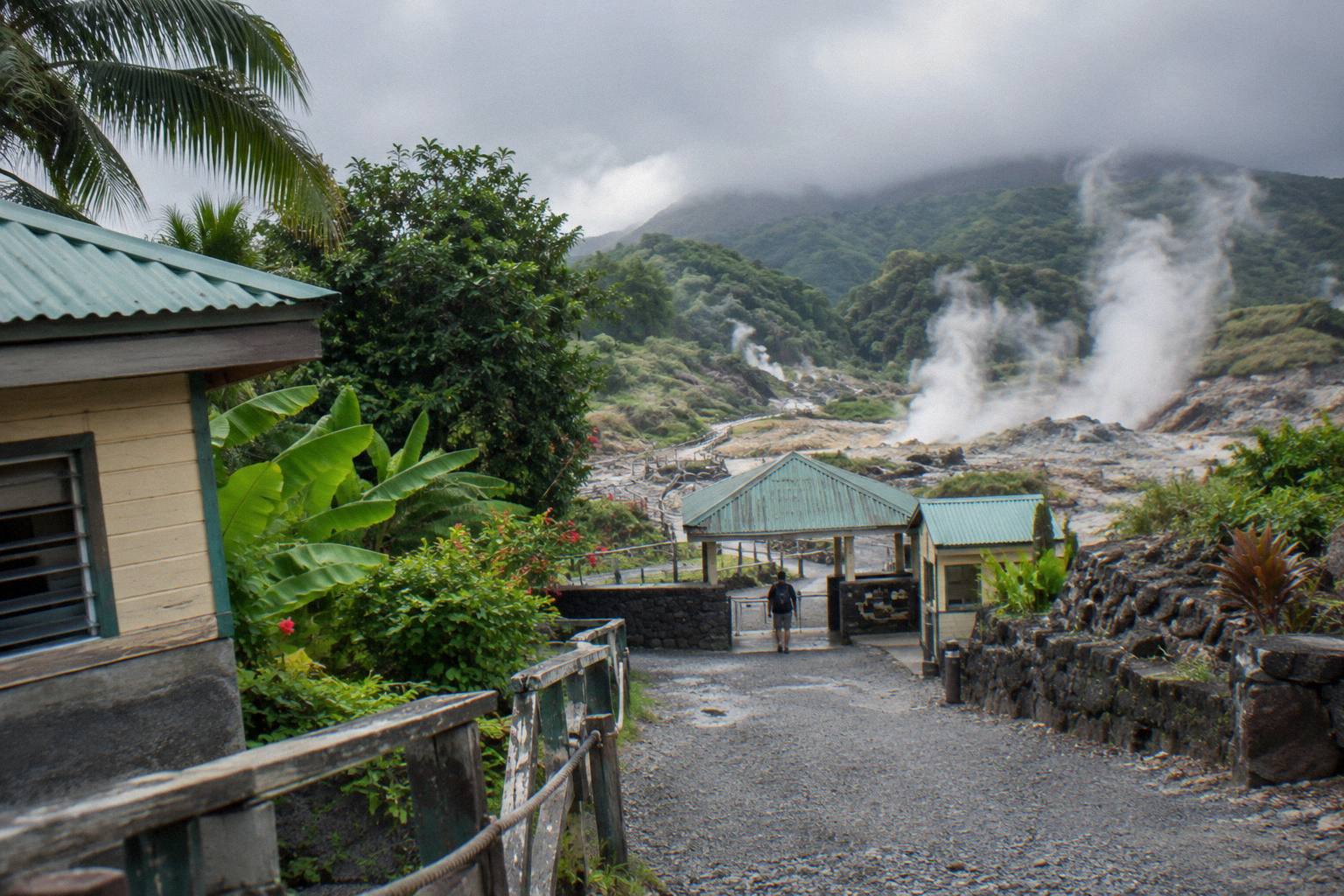
A private tour deserves a mention here for a reason that has nothing to do with luxury. The Private Drive-In Volcano And Mud by H&A Tours Ltd, from US$140 per person and rated 4.9 across 124 reviews, includes both the Toraille Waterfall entrance fee and the Sulphur Springs park entrance fee. On a private trip you set the pace with your driver-guide, which means you can shorten the volcano drive, extend the waterfall stop, and leave when you have had enough. For a hesitant nose, control is worth more than any amenity. Evo's Excursions runs a similar private format with cruise-port pickup, from US$160 per person, rated 5 across 17 reviews, a smaller pool but a consistently pleased one.
Read that tile with your own tolerance in mind rather than anyone else's enthusiasm. The Volcano Experience suits visitors who want the geothermal story told properly and do not mind a full day built around it. If your plan is the opposite, minimum volcano, maximum variety, the land-and-sea format is the better fit, and the private options let you fine-tune the balance on the day.
Timing Your Visit When You Dislike The Odour
Go early in the morning or in the late afternoon, since these are the very windows the Saint Lucia Tourism Authority itself recommends for visiting Sulphur Springs. Beyond the official guidance, they are also the most comfortable hours for anyone concerned about smell and heat combining at the park. The park opens at 9:00 am and closes at 5:00 pm every day, weekends and holidays included, with one annual closure on the first Friday of September. Arriving near opening usually means fewer people and cooler ground.
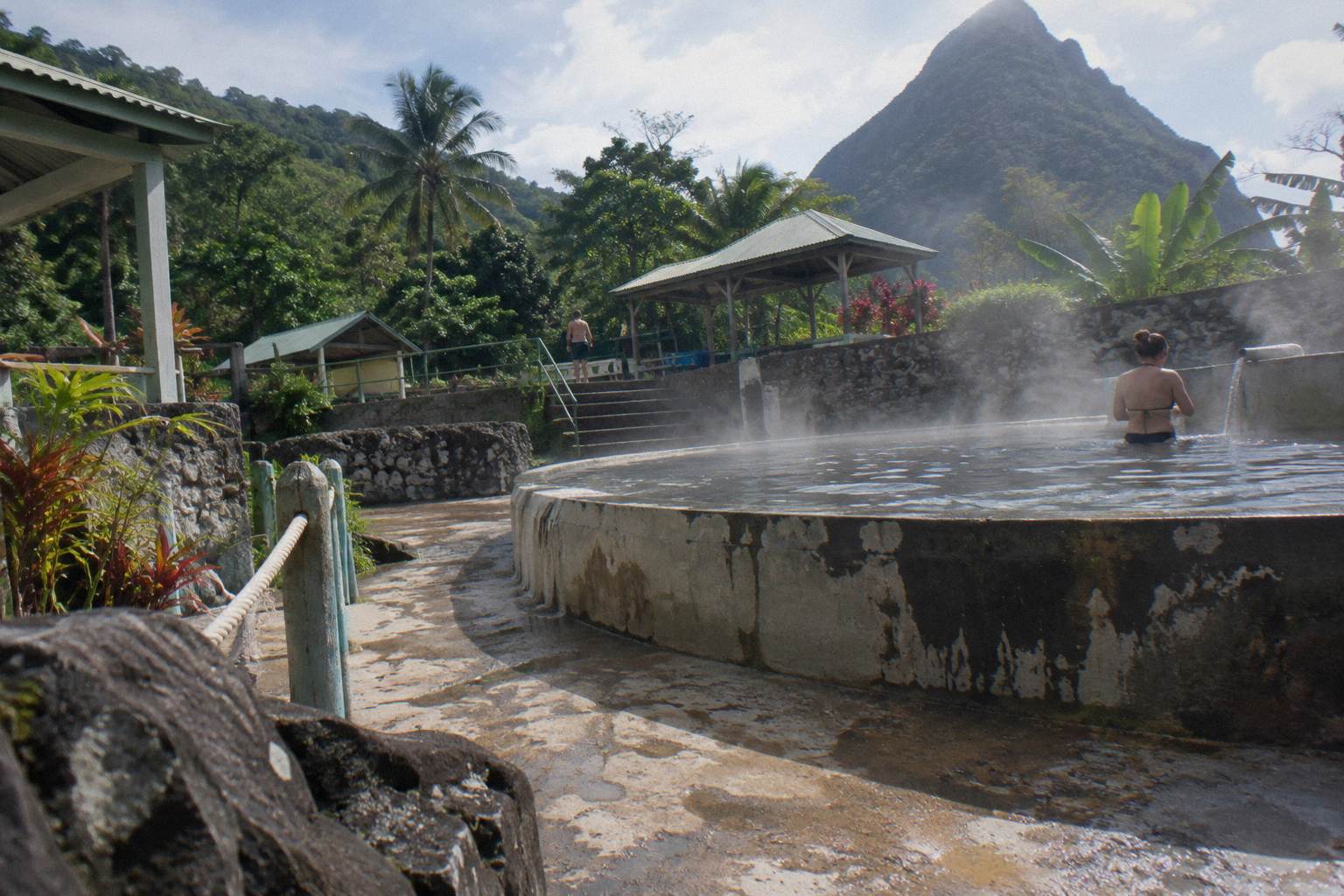
Midday has two strikes against it for the smell-sensitive. First, the heat is at its peak, and warm air carries the geothermal gases more strongly, conditions allowing. Second, midday is when the tour buses concentrate, so you queue at the pools and spend longer standing in exactly the zones where the odour lives. A 9:00 am arrival, or a late-afternoon slot after 2:00 pm, thins the crowds and softens the heat. Neither timing removes the smell, and no honest guide will claim otherwise; both simply reduce the other discomforts stacked on top of it.
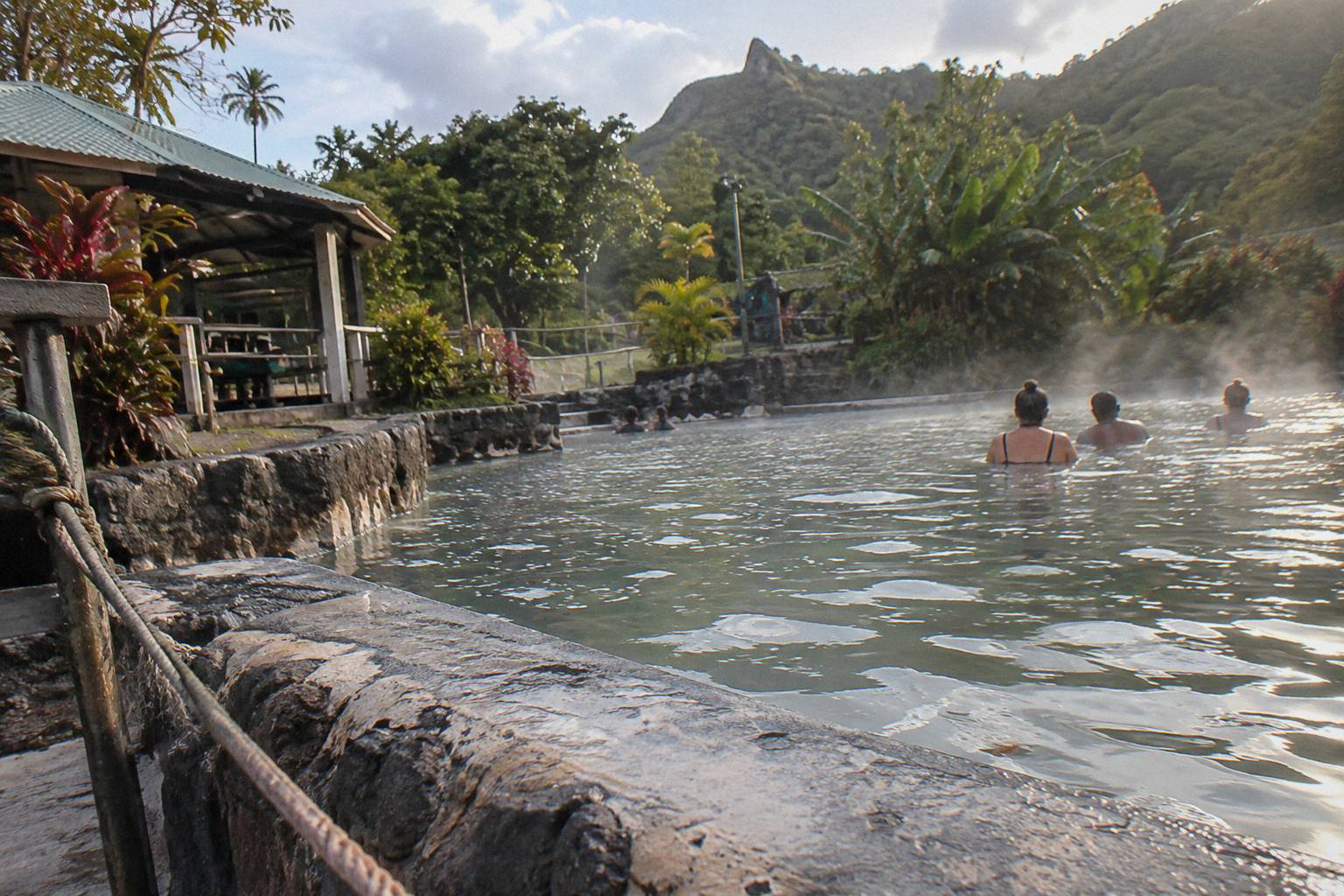
The rain question comes up often, and the honest answer is that this article will not promise you a smell level in any weather. Rain, wind and vent activity all change day to day. What can be said is structural: the site is outdoors, the bath is outdoors, and there is no enclosed room where odour can pool. If you want a deeper look at the seasonal side, the site's piece on the mud bath in rainy season covers what actually changes month to month, and the guide to the best time of day for the mud bath works through the clock in detail.
One more timing lever: go on a day when the mud bath is one stop among several rather than the whole event. The Soufriere day trip built around the mud bath shows how to sequence the springs, a waterfall, a viewpoint and lunch so that no single environment dominates your memory of the day. Spread thin, the geothermal portion becomes a chapter instead of the whole book.
What To Wear And Bring For A Smell-Free Exit
Pack swimwear, a towel, and comfortable shoes, the three items the tourism authority names for the mud baths, then add one thing more: a spare outfit. That single extra set of clothes is what most helps a smell-sensitive visitor change after bathing and leave the site feeling clean. The mud is grey volcanic clay, the rinse is warm spring water, and neither is a normal shower. You will want to change into dry, clean clothes afterward, and anything you wore into the bath will want a proper wash.
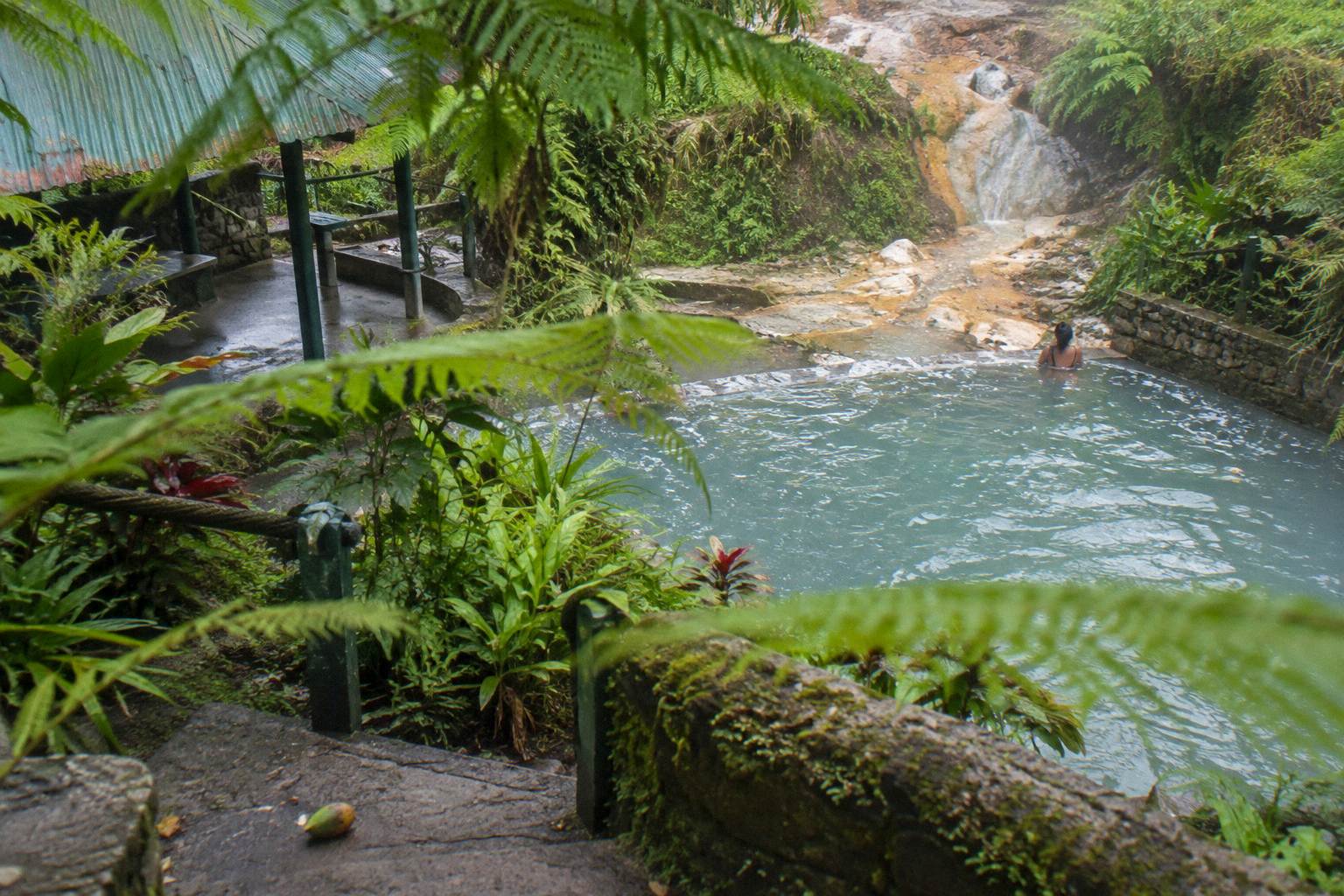
The practical kit list is short. Wear the swimwear under your clothes to skip the changing friction. Bring a towel per person. Choose shoes you can walk in on wet stone, because the paths around the pools are damp. Bring a plastic bag for the wet items, and leave anything delicate, jewellery especially, at the hotel; the site's own guidance is limited here, and specific rules about silver tarnish or time limits are not published officially, so treat those as folklore rather than fact. What is officially advised is the packing list itself: comfortable shoes, swimwear and a towel.
The rinse-and-change routine is where smell-anxious visitors win or lose the day. The warm spring rinse clears most of the mud, a proper shower back at the hotel finishes the job, and fresh clothes end the story. Visitors who skip the change of clothes and ride home in damp swimwear extend their personal sulphur experience by an hour or two for no reason. The guide to what to wear to the sulphur springs mud bath goes deeper on fabrics and colours, and the piece on what to bring covers the lockers and showers question as honestly as the available information allows.
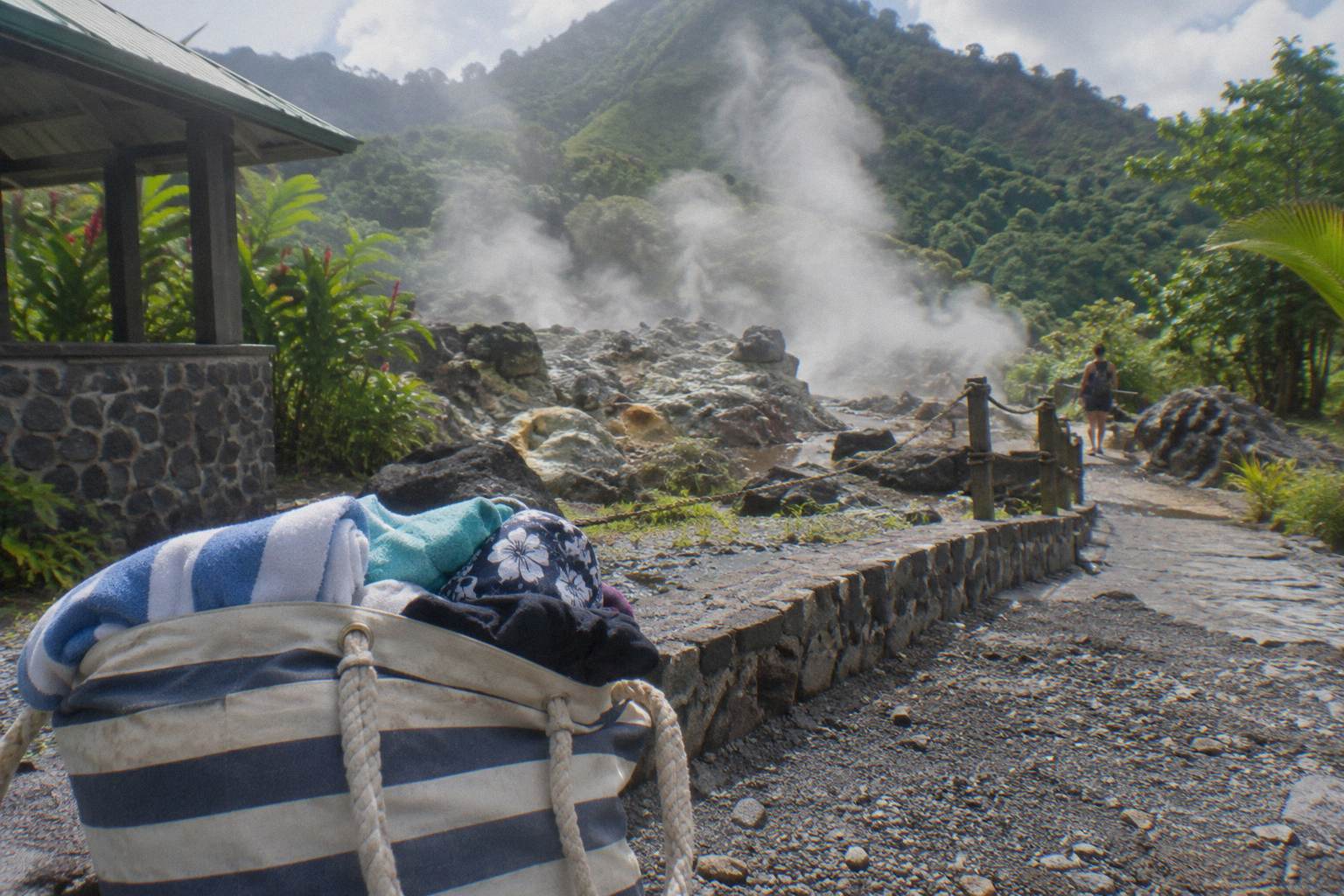
Hair is the one item people forget. Long hair that goes into the mud and gets a spring-water rinse will carry a trace of the experience until it gets a real wash, and swimmers who tie hair up high tend to be the ones who stop noticing anything by dinner. A spare hair tie weighs nothing. If you are pairing the springs with a beach afternoon, and several tours do exactly that, the swim in the sea is the best rinse of all.
Mistakes That Make The Smell Seem Worse
Yes, the smell often seems worse than it should, and four avoidable mistakes are usually to blame: timing your visit for midday, booking a volcano-heavy tour when you wanted variety, wearing the same clothes home, and building the whole day around a feature you dread. Each one is fixable at the planning stage, before you ever smell anything.
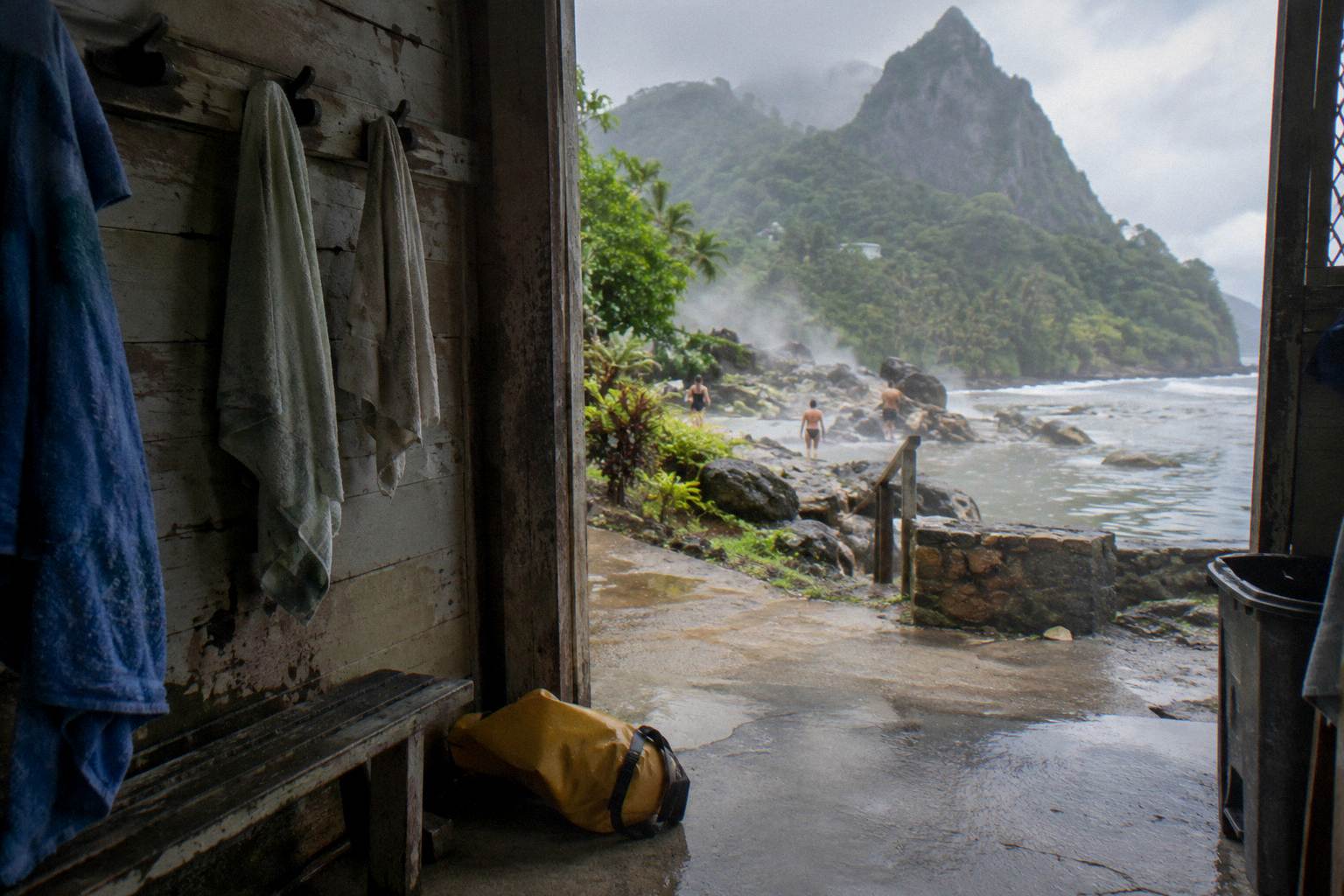
The first mistake is timing. Arriving between 11 am and 2 pm puts you at the site in peak heat with peak crowds, the combination that makes every discomfort louder. The second is tour selection: a visitor who books a full volcano-focused excursion because it looked impressive, then spends seven hours anxious about the next vent, has chosen badly for themselves, not because the tour is bad but because the match is wrong. The tours named above range deliberately from volcano-centric to volcano-light, and the honest move is picking the one that matches your actual appetite.
The third mistake is hygiene logistics: no towel, no change of clothes, no bag for wet items. The fourth is psychological: treating the smell as an ordeal to survive rather than a feature of an active geothermal system inside a caldera whose last recorded eruption was in 1766. The site is not a spa pretending to be volcanic; it is volcanic, full stop, and the same gases that reach your nose are the ones that built the mineral mud on your skin. Some visitors find that knowing the geology makes the odour easier to live with, and the walk-through of the crater covers that geology properly if you want it.
| Mistake | Why it backfires | Fix |
|---|---|---|
| Midday arrival | Heat and crowds peak together | Go near 9:00 am or after 2:00 pm |
| Volcano-heavy tour booked by reflex | Long day centred on the vents | Pick a combo or land-and-sea format |
| No change of clothes | Damp swimwear extends the odour | Pack a full spare outfit |
| Skipping the rinse routine | Mud trace lingers on skin and hair | Full rinse, shower, fresh clothes |
A fifth, quieter mistake is letting one strong anecdote decide the trip. Every travel forum contains a visitor who found the smell unbearable and a visitor who barely noticed it, and both are telling the truth about their own day. Wind, weather and personal sensitivity vary too much for either account to be a forecast. What does not vary is the geography: an open-air site, a bath zone set apart from the vents, and a whole island of ordinary air waiting outside the caldera.
Alternatives If You Truly Cannot Face The Vents
If the geothermal smell is a hard no, St Lucia still has mineral bathing options with no volcanic vent in sight, notably the Diamond Falls Botanical Gardens mineral baths, where entry is US$7 for adults and children pay half price. The Diamond site is a separate place from Sulphur Springs, with its own gardens, its own waterfall, and public baths at US$6 or private baths at US$7. Hours run 10 am to 4 pm Monday to Saturday and 10 am to 3 pm on Sundays and public holidays, open every day of the year.
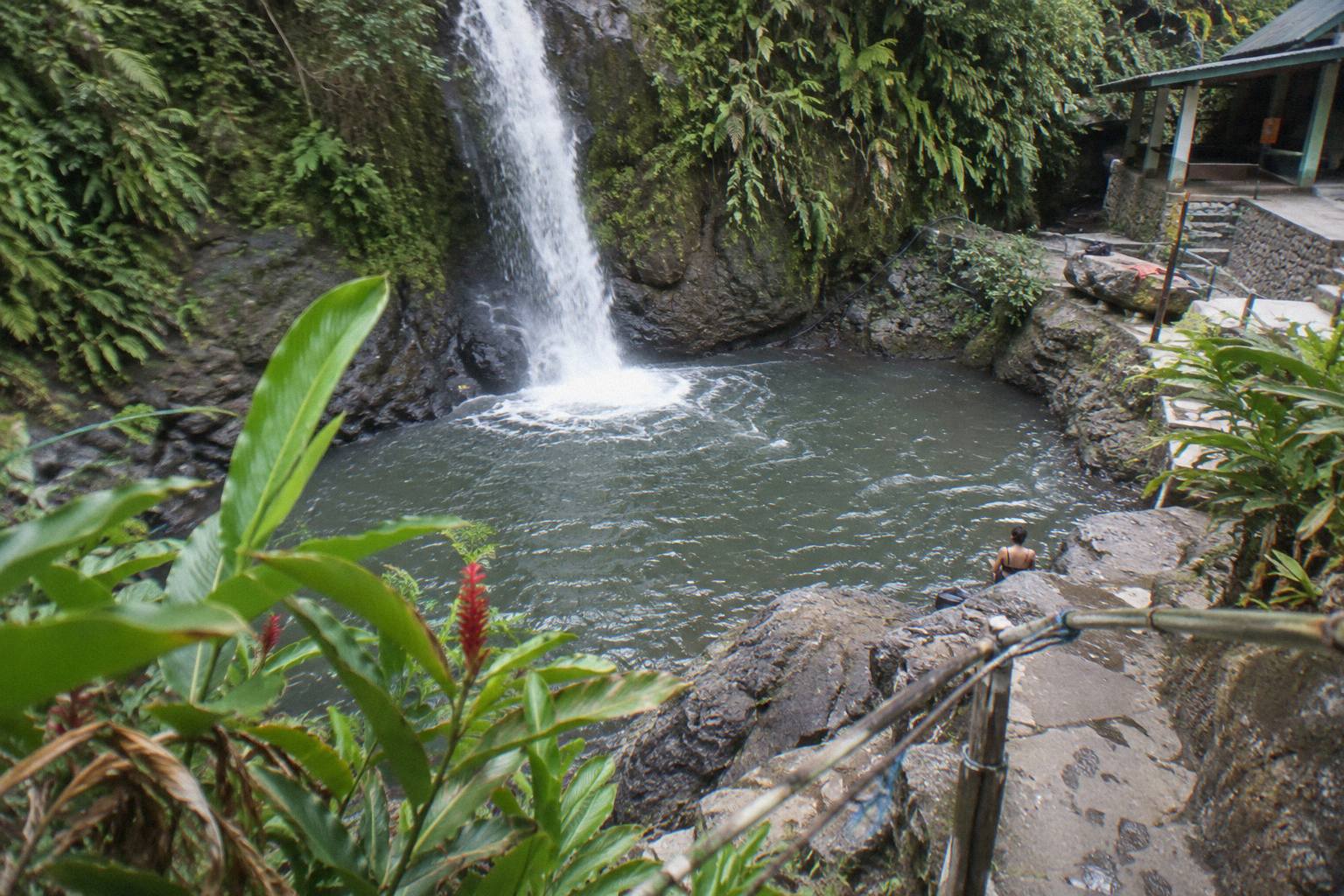
Diamond Falls is not a substitute for the volcanic mud experience, because the mud itself is the point at Sulphur Springs, but it is a genuine alternative for the mineral-water part, set in gardens rather than a caldera. Some tours build both into one itinerary, and the Diamond Falls and mineral baths pairing with the mud bath explains how that day flows. Toraille Waterfall is the other common companion stop, entry about US$3 per person per operator listings, and several tours in this article's tour set include it.
The milder middle path is the combo tour. The Creole Lunch, Toraille Waterfall trip by Treasure tours Ltd. St. Lucia gives you the springs, a waterfall and a sit-down Creole lunch with beverages and a driver-guide from US$100 per person, free cancellation inside a 24 hour window. The Private Toraille Waterfall Excursion by St. Lucia Taxi Service, rated 4.8 across 48 reviews from US$115, runs 5 hours with entrance fees and lunch included, and being private, you control the pace at each stop. Neither removes the volcano, but both make it one scene in a longer film.
Tours like that one are the practical answer to the page's question: they let you visit the mud bath without living inside the geothermal zone. Booking any of them is straightforward through each operator's booking page, and every option named in this article that carries a cancellation policy shows a free-cancellation window of 24 hours, so a hesitant planner can lock a date and still back out if the morning arrives and the resolve does not.
Common Questions About Skipping The Smell
Can You Skip The Smell And Still Enjoy The Mud Bath?
You cannot remove sulphur odour from an active geothermal field, but you can keep it at the edges of your day. The smell is strongest at the boiling springs and vents, softer around the open-air bath pools, and gone once you leave the caldera. Timing, tour choice and a change of clothes do the rest.
How Strong Is The Sulphur Smell At Sulphur Springs?
It varies with wind, weather and how close you stand to the vents, so no honest source promises a fixed level. The odour is concentrated in the geothermal zone where the boiling springs run 70 to 90 °C and fumaroles reach up to 172 °C, and the bath pools sit in a separate open-air area where it is milder.
Does The Smell Stay On Your Skin And Clothes After The Mud Bath?
A thorough rinse in the warm spring water clears most of it, and a proper shower back at your hotel finishes the job. Wearing clean clothes home and washing whatever you bathed in ends it entirely. Bring a towel and a spare outfit; the tourism authority lists both swimwear and a towel as standard items.
Which Tours Spend The Least Time In The Smelly Zone?
Combo tours and land-and-sea trips spread the day across beaches, waterfalls and boat time. The Edmund Tours Land And Sea runs 6 hours 30 minutes from US$125 per person, and the Creole Lunch, Toraille Waterfall tour by Treasure tours Ltd. St. Lucia pairs the springs with a waterfall and lunch from US$100 per person.
Is There A Mineral Bath In St Lucia Without Volcanic Vents?
Yes. Diamond Falls Botanical Gardens has mineral baths set in gardens rather than a caldera, with adult entry at US$7, children half price, public baths at US$6 and private baths at US$7. It is open every day, 10 am to 4 pm Monday to Saturday and 10 am to 3 pm on Sundays and public holidays.
What Time Of Day Is Best If You Are Worried About The Odour?
The Saint Lucia Tourism Authority recommends morning or late afternoon for Sulphur Springs generally, and those windows also avoid the midday combination of peak heat and peak crowds. The park opens at 9:00 am and closes at 5:00 pm daily, closing only on the first Friday of September each year.