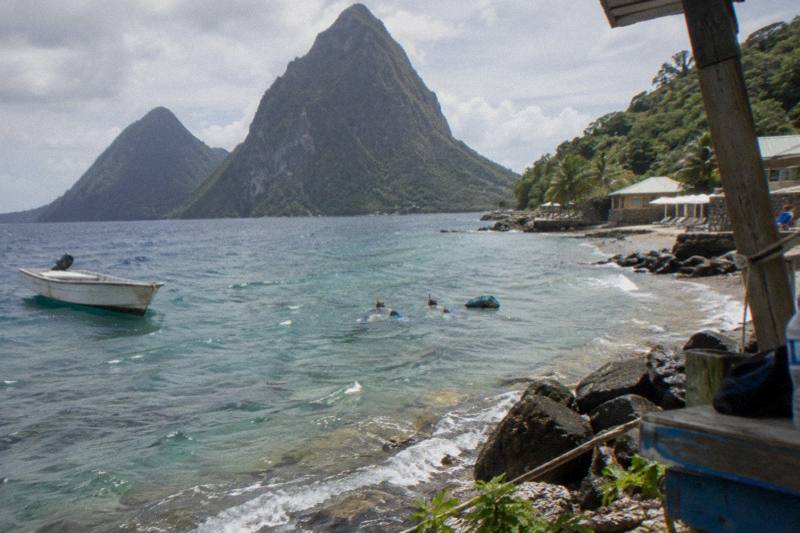
Does St. Lucia Have Mud Baths?
Yes, St Lucia has mud baths: the volcanic pools at Sulphur Springs in Soufriere, plus mineral baths at Diamond Falls. Here is what they cost, how they work and how to visit.
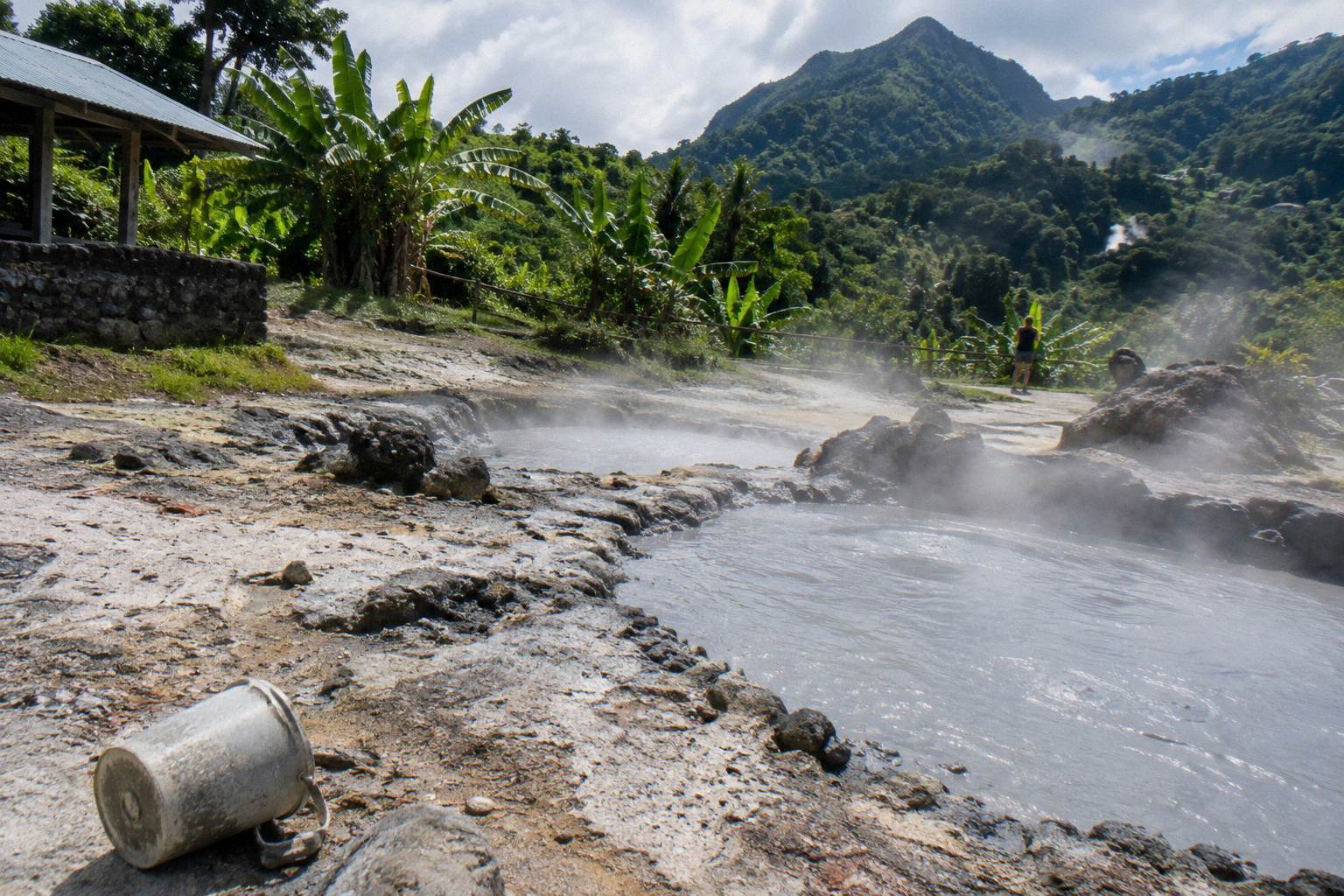
Yes, St Lucia has mud baths, and they are one of the island's signature experiences. The main ones are the volcanic mud pools at Sulphur Springs, the geothermal park just outside Soufriere on the southwest coast, run by the Soufriere Regional Development Foundation. A second option exists at Diamond Falls Botanical Gardens, which offers mineral baths in a garden setting rather than volcanic mud. Between them, the island covers both the raw volcano version and the genteel spa version, and most visitors choose the Sulphur Springs pools.
The springs sit inside the Qualibou caldera, a collapsed volcanic crater where the last recorded eruption in St Lucia took place in 1766. You do not just look at it from a distance either. Visitors drive into the geothermal zone, past bubbling mud pools and steaming vents, then step into designated bathing pools to smear on grey volcanic mud and rinse in warm spring water. The Saint Lucia Tourism Authority's page on the springs describes exactly this sequence, and it matches what the park itself advertises.
Plenty of travellers arrive on packaged tours that fold the mud bath into a bigger day. Edmund Tours Land And Sea, a guided trip by sea rated 4.7 across 2,085 reviews, is the most reviewed option on the island and includes the springs stop alongside lunch, drinks and snorkelling. Road-based alternatives such as Wow Tours Island Drive, from US$92 per person, and private options like the Private Drive-In Volcano And Mud run by H&A Tours Ltd cover the same ground for different budgets and group sizes.
Yes, St. Lucia has mud baths, concentrated at Sulphur Springs near Soufriere and supplemented by the mineral baths at Diamond Falls Botanical Gardens. The volcanic version means coating yourself in grey mud from the geothermal pools, then rinsing in warm spring water, with entry to the bath alone costing US$12 for adults and US$6 for children at the gate, subject to change.
That is the short version. The longer version matters because the phrase "mud bath in St Lucia" gets used loosely, and it covers three genuinely different things. The first is the volcanic mud experience at Sulphur Springs, which is what most photographs show and what most tours mean when they advertise a mud bath stop. The second is the mineral bath experience at Diamond Falls, where the water is mineral-rich but there is no volcanic mud to apply. The third is the general hot-spring soaking that happens in the pools after the mud stage, which some visitors enjoy more than the mud itself.
The distinction matters for planning. If volcanic mud is the goal, Sulphur Springs is the only place on the island that offers it, and every tour listed on this site builds around that park. If a quieter, garden-framed soak sounds better, Diamond Falls charges US$7 for adults, half price for children, with public baths at US$6 and private baths at US$7, open Monday to Saturday from 10 am to 4 pm and Sundays and public holidays from 10 am to 3 pm. Some visitors do both in one day, since the two sites sit a short drive apart in the Soufriere area.
It also matters for expectations. The Sulphur Springs experience is rustic rather than spa-like: communal pools, grey mud, warm rinsing water and a setting that smells faintly of the volcano that powers it. Nobody arrives to candlelight and robes. What they arrive for is the novelty of bathing in the runoff of an active geothermal field, and on that measure the island delivers something few Caribbean neighbours can match.
For anyone weighing how to book the day, three contrasting options below span the main formats: the most reviewed sea tour, a budget-friendly road trip and a fully private version.
Where Exactly Are The Mud Baths?
The mud baths sit inside Sulphur Springs park, roughly 6 km south of Soufriere town on St Lucia's southwest coast, inside the Qualibou caldera. The park lies within the Pitons Management Area, inscribed by UNESCO in 2004. Driving times run about 45 minutes from Hewanorra airport and roughly 1 hour from Castries, 42 km away.
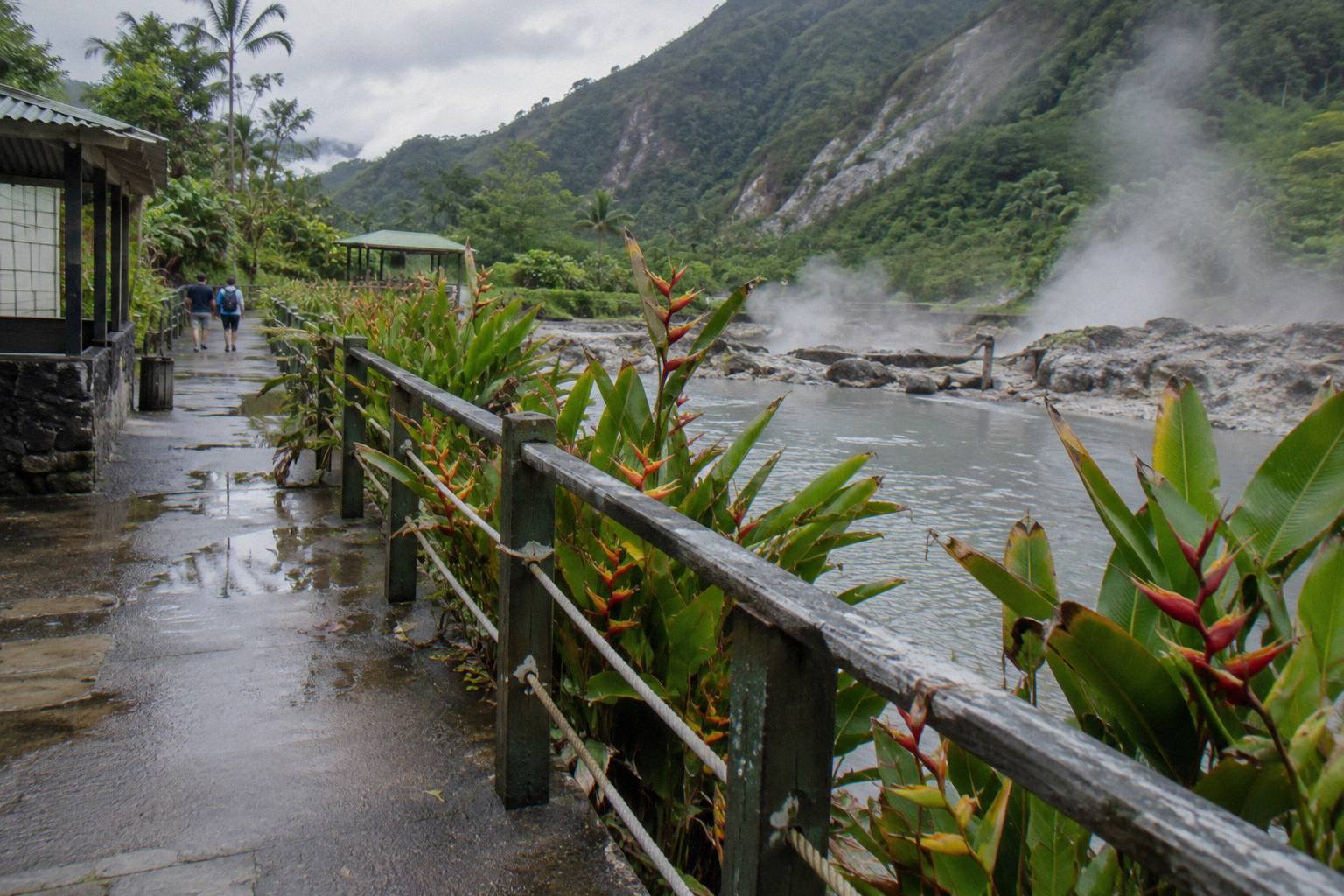
Geography drives most of the planning decisions here. Soufriere sits at the end of the island's most scenic and most winding road, which means a mud bath visit is rarely a quick pop-in from the north. Visitors staying in Castries or beyond should treat it as a half-day commitment at minimum, counting drive time in both directions. Those landing at Hewanorra have the easier run: the airport is on the same southwestern side, and the springs are under an hour away.
The setting is the draw as much as the mud. The park is known as the drive-in volcano, and the name is literal: vehicles descend into the caldera floor, passing steaming fumaroles and pools of bubbling mud. The Soufriere Regional Development Foundation, which operates the park, notes that the boiling springs run at 70 to 90 °C and fumarole vents reach up to 172 °C, figures that belong to the geothermal features rather than the bathing water. The mud pools visitors actually enter are separate, tamer basins fed by the same system.
The surrounding area adds context worth knowing. The park sits in the shadow of the Pitons, the twin volcanic peaks that earned the area its UNESCO World Heritage inscription in 2004. Guides on tours such as the Volcano Experience, 7 To 8 Hours run by Island Adventures St. Lucia, typically point out the caldera geology during the drive in, and many itineraries add a viewpoint stop for the Pitons themselves before or after the mud bath.
Practical takeaway: the mud baths are not near the cruise port, the main hotel strip in the north, or the airport transfer route most visitors take. Everything about visiting them involves a deliberate journey south, which is exactly why so many travellers fold the trip into a tour that handles the driving.
What A Mud Bath There Actually Involves
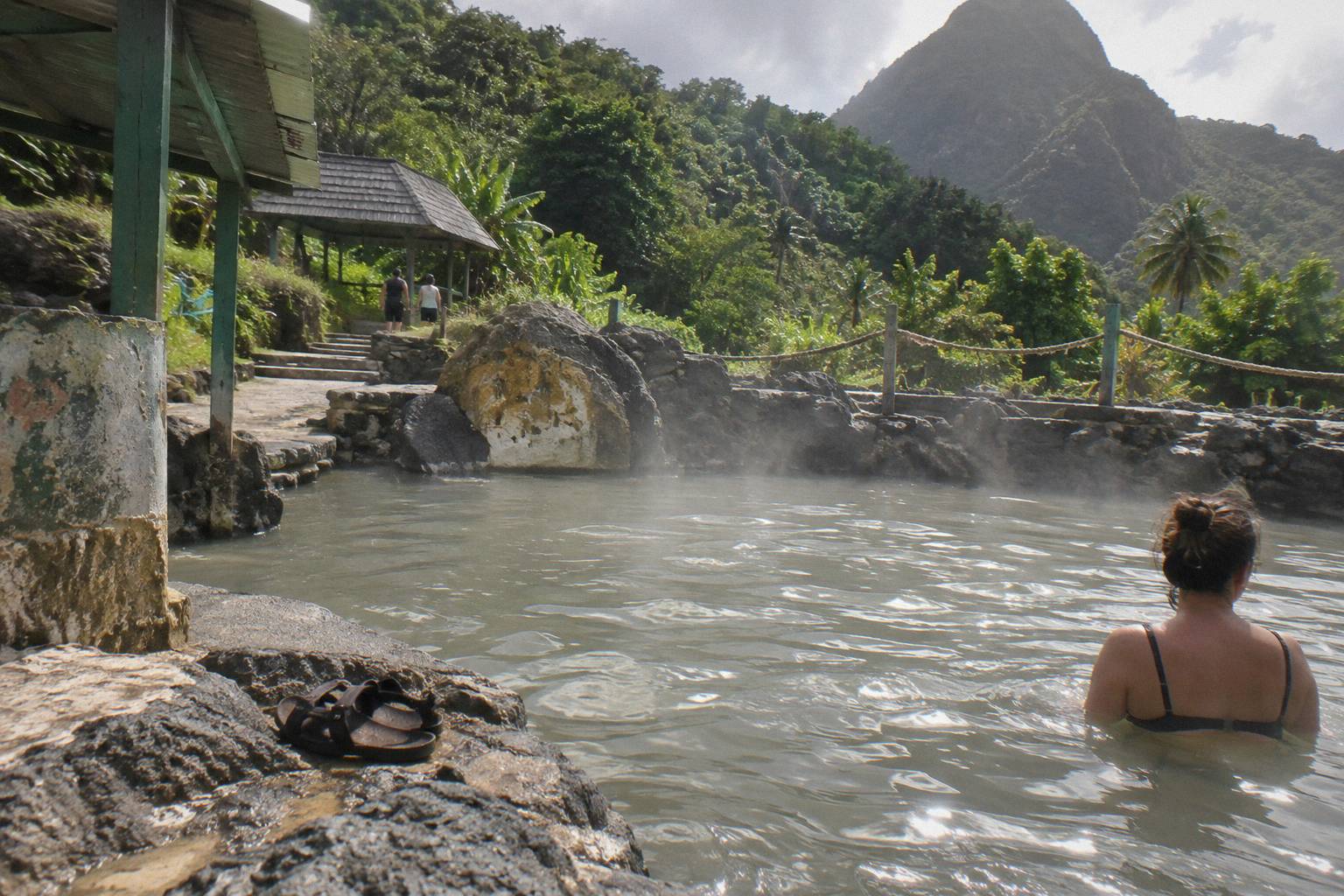
The routine at Sulphur Springs is simple: visitors apply grey volcanic mud from basins beside the pools, let it dry on the skin, then rinse off in the warm spring-water pools. The whole cycle takes as long as visitors want it to, inside a park open from 9:00 am to 5:00 pm daily. The experience is communal and unpolished, closer to a local tradition than a resort spa.
The mud itself comes from the geothermal field. It is grey, finely textured and warmed by the volcanic system beneath the caldera. Visitors scoop it on by hand, coating arms, legs and face, and the standard move is to wait for it to dry before washing it off in the pools. The rinse water is warm and mineral-heavy, and many people linger in it after the mud stage rather than rushing out. The tourism authority recommends bringing comfortable shoes, swimwear and a towel, and suggests the morning or late afternoon as the more comfortable times to go.
What the experience is not: private, silent or pristine. Tours arrive in groups, the pools are shared, and the surroundings are working volcanic terrain rather than landscaped gardens. Visitors hoping for a quiet soak should aim for the park's opening hour or the last entry window, when group traffic tends to thin. The step by step guide to how the volcanic mud bath works on this site walks through the full sequence for anyone who wants to picture it before booking.
Tours describe the stop in similar terms. The FRAM Rejuvenating Mud Bath run by FRAM Tours & Taxi Services, a 4 to 5 hour guided trip from US$132 per person, lists its inclusions around the mud bath entrance fee itself, with snacks and a local Piton beer on board. Boat-based options, including the All Inclusive Land And Sea run by Julian Boat Tours, from US$175 per person, pair the springs with snorkelling and lunch on a 5 hour sailing day. In every case the mud bath segment is one chapter of a longer itinerary, not the whole book.
One honest caution: no operator or official source promises a skin result, and this article will not either. The mud's reputation for leaving skin soft is folk wisdom repeated by guides, not a verified claim. Go for the novelty and the warmth, treat anything more as a bonus, and the experience will not disappoint.
How Much Does Entry Cost Without A Tour?
Walk-in entry to the mud bath costs US$12 per adult and US$6 per child, using the park's own fee schedule effective from 1 June 2025. A combined ticket covering the volcano tour and the bath is US$16 per adult and US$8 per child. These are gate prices paid directly to the park, separate from any tour fare, and fees are set by the park and can change.
The fee structure rewards knowing what you actually want. Three products exist: the bath only, the volcano tour only, and the combination. The tour covers guided access to the geothermal features, meaning the boiling springs, fumaroles and the drive-in volcano route. The bath covers the mineral and mud pools. Visitors who only want to bathe can skip the tour ticket; visitors who want the full explanation of what they are standing on should take the combo, since the US$4 step up from bath-only to combined is the cheapest guided commentary on the island.
| Ticket | Adult | Child |
|---|---|---|
| Mud bath only | US$12 | US$6 |
| Volcano tour only | US$10 | US$5 |
| Combined tour and bath | US$16 | US$8 |
Some tour fares bundle these entrance fees and some do not, and the difference explains a lot of the price spread across operators. The Half-Day Island Delight run by Barefoot Holidays, from US$90 per person, lists entry to Sulphur Springs as an inclusion. The FRAM Rejuvenating Mud Bath similarly lists the mud bath entrance fee within its fare. By contrast, several private operators quote lower base fares on the expectation that guests pay park fees at the gate, so comparing sticker prices without checking inclusions misleads. The full breakdown of tour price versus going alone on this site unpicks that comparison in detail.
A note on older numbers: some tour booking pages still quote entry figures in the US$10 to 15 range, reflecting previous fee schedules. The park's own current schedule is the one above. When a booking page and the park disagree, trust the park and assume the number can move again, which is also why this article avoids promising exact gate prices into next year.
For context, the wider area carries other small fees. Toraille Waterfall, the most common add-on, runs about US$3 per person. Diamond Falls Botanical Gardens charges US$7 for adults. A full independent day covering springs, waterfall and gardens therefore costs roughly US$22 per adult in entry fees alone, before transport, which is the hidden cost that makes guided tours competitive.
Getting To The Springs From A Hotel Or Cruise Port
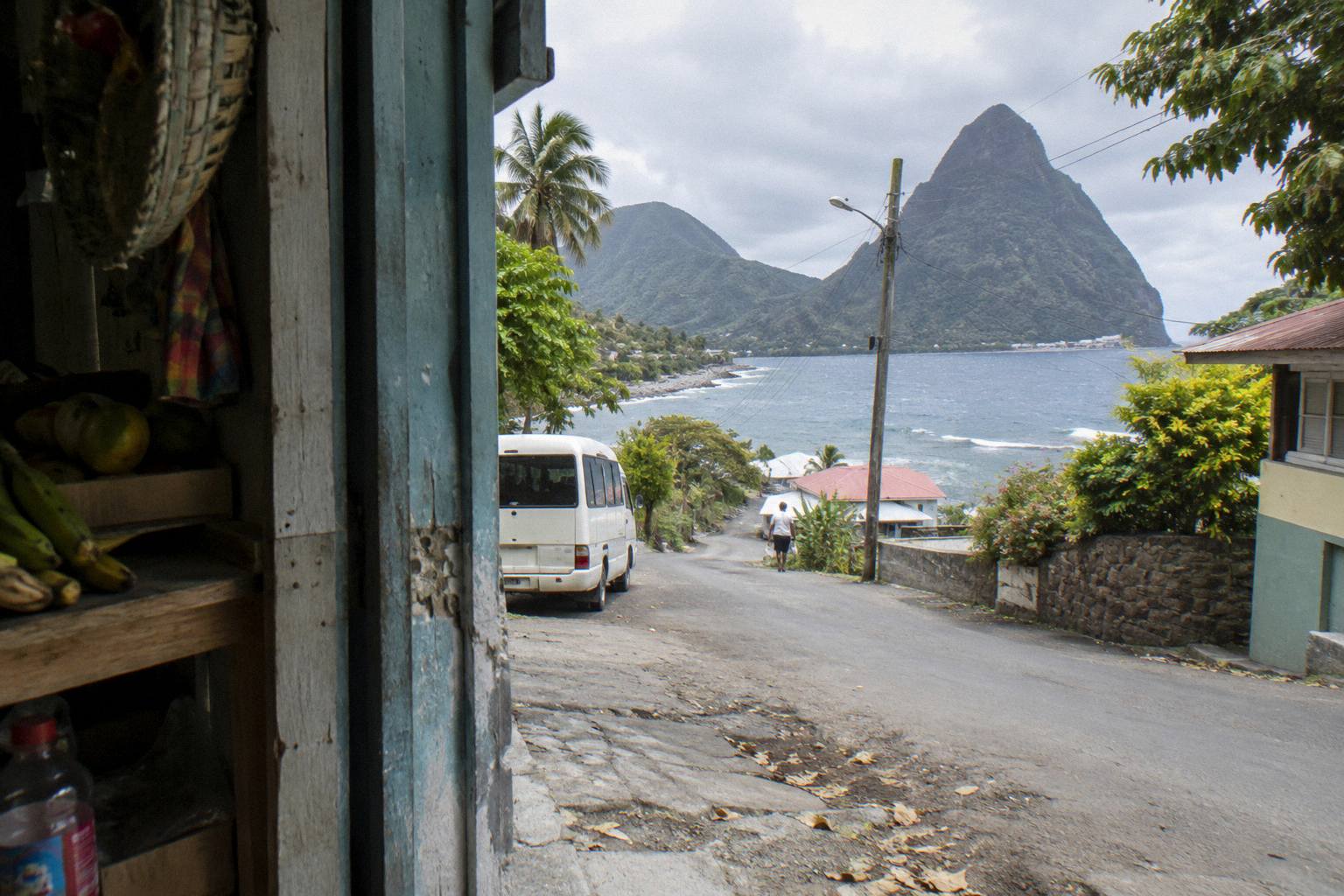
The springs are about 45 minutes by car from Hewanorra airport and roughly 1 hour from Castries, 42 km away on the island's west coast road. Cruise passengers arrive at the port in Castries, making the mud bath a long-transfer excursion best suited to a packaged tour. Most hotels in the south sit within a 20 minute drive of the park.
The drive itself is part of the argument for tours. The west coast road between Castries and Soufriere is spectacular, threading through fishing villages and banana valleys, but it is narrow, steep in places and slow. Self-driving visitors need confidence on mountain roads and a willingness to park at the park's own lot. Everyone else faces taxi fares that add up quickly in both directions, which is why the arithmetic in the previous section matters.
Cruise visitors face the tightest math of all. With the port in the north and the springs in the far south, the round transfer consumes a large share of a typical day in port, and tour operators design their itineraries around ship schedules for that reason. Operators flagging cruise-port pickup include Island Adventures St. Lucia on its Volcano Experience, 7 To 8 Hours, from US$135 per person, and FRAM Tours on its mud bath trips. The dedicated cruise-ship timing guide on this site covers the scheduling question in depth.
Southern-based visitors have the easiest decision. Anyone staying in or near Soufriere can reach the park in minutes, and for them a bare taxi or even a hotel shuttle may beat a full tour. The Treasure Tours Creole Lunch, Toraille Waterfall trip, a 5 to 6 hour guided day from US$100 per person with hotel and port pickup flagged, suits travellers who want the driving, lunch and waterfall logistics handled in one fare.
For a fuller discussion of the trade-offs between the two ways of arriving, the comparison of mud bath tours by sea or by road is the detailed companion to this section.
Tours That Combine The Mud Bath With Something Else
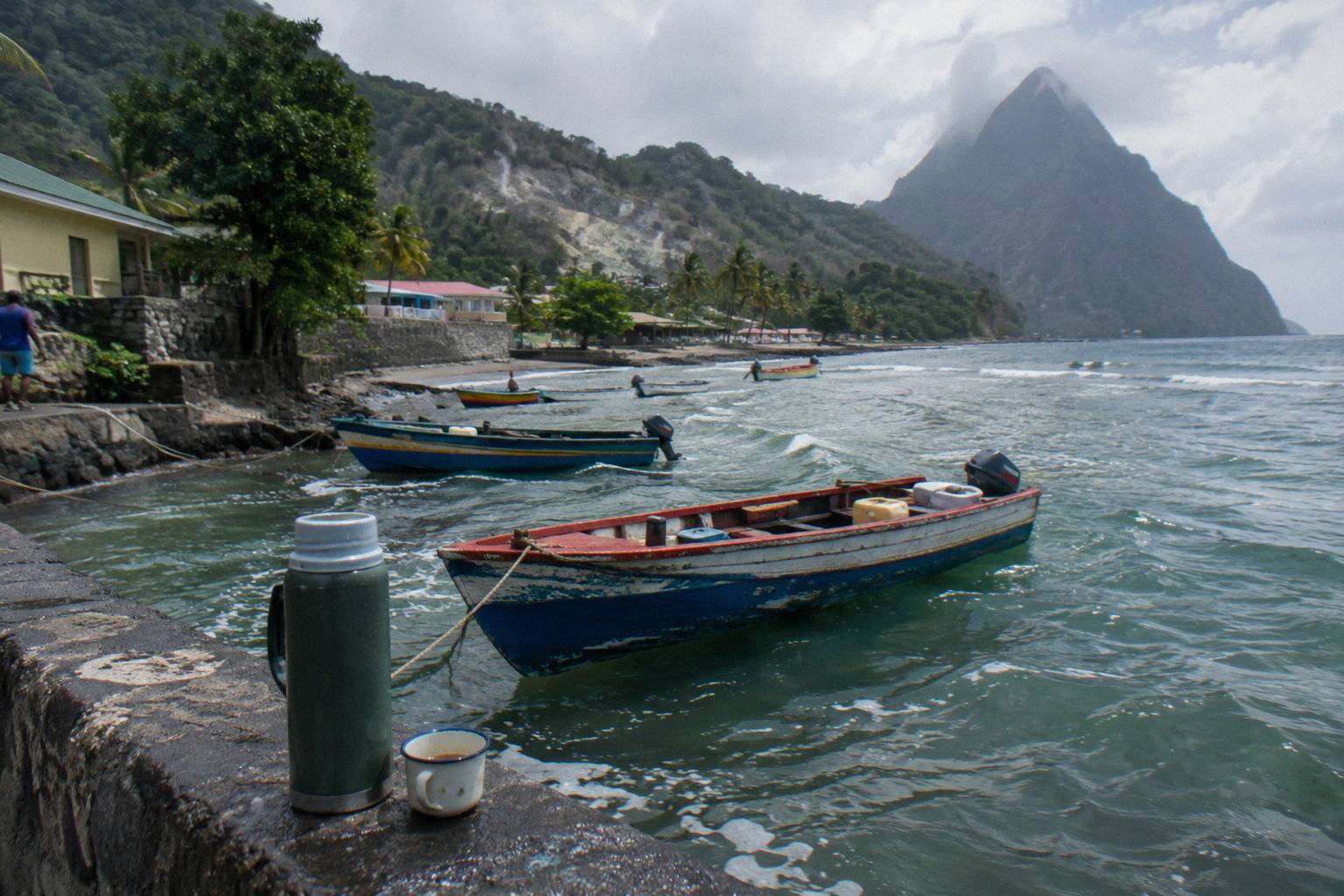
Most booked mud bath experiences on the island are combination days, pairing the springs with waterfalls, snorkelling, the Pitons or lunch. Prices among well-reviewed combos run from US$90 for the cheapest road trip to US$537 for the most expensive boat day. Every tour listed below includes the mud bath stop within a longer itinerary, so the booked duration is the whole day, not time in the mud.
That last point deserves emphasis because it trips people up. A tour advertised at 6 hours does not mean 6 hours of bathing. The booked duration covers transfers, every stop, lunch and the drive back. Time actually spent in the mud pools is a fraction of that, usually under an hour. Travellers who want a long soak should visit independently; travellers who want a full island day should book the combo and treat the mud as its highlight.
| Tour | Operator | Format | Duration | From |
|---|---|---|---|---|
| Half-Day Island Delight | Barefoot Holidays | Guided group, road | 5 hours | US$90 |
| Wow Tours Island Drive | Wow Tours | Guided group, road | 5 to 7 hours | US$92 |
| Creole Lunch, Toraille Waterfall | Treasure tours Ltd. | Guided group, road | 5 to 6 hours | US$100 |
| Volcano Experience, 7 To 8 Hours | Island Adventures St. Lucia | Guided group, road | 7 to 8 hours | US$135 |
| Private Drive-In Volcano And Mud | H&A Tours Ltd | Private, road | 5 to 6 hours | US$140 |
| Private Speedboat, Beach Time | Captain Cliff Adventure Tours | Private, by sea | 4 to 6 hours | US$260 |
The sea versions deserve their own paragraph. Sailing down the coast to Soufriere turns the transfer into the attraction, and boats like the Private Speedboat run by Captain Cliff Adventure Tours, from US$260 per person, include drinks and the taxi leg between dock and mud bath. At the top of the price range, the Snorkel, Mudbath And Lunch Boat run by The Real Deal Boat Tours, from US$537 per person and rated 5 across 110 reviews, is the most expensive priced tour on the island, a private-feeling 5 hour 30 minute day with snorkel gear and beverages on board. The contrast between that trip and a US$92 road tour is mostly about boat, group size and inclusions, not about the mud bath itself, which is the same pools either way.
Private combinations fill the middle of the market. The Private Toraille Waterfall Excursion run by St. Lucia Taxi Service, from US$115 per person and rated 4.8 across 48 reviews, bundles entrance fees, lunch and a driver-guide into a 5 hour private day. Rumie Tours St. Lucia offers the Rumie Customized Private Tour, from US$120 per person, rated 5 across 28 reviews, for visitors who want the itinerary shaped around them. For couples and families, the private versus shared tour comparison on this site works through which format pays off at what group size.
Going Alone Or Booking A Tour
Independent visits work well for travellers based near Soufriere with a car or a short taxi ride, since gate entry is US$12 and the park needs no booking. Tours earn their fare for everyone else, because the transfer from the north or the cruise port is the expensive, slow part of the day. Guided tours from US$90 to US$135 cover transport, and many bundle entry and lunch on top.
The deciding factors are location, time and confidence. A visitor staying in Soufriere who wakes early can be in the pools by 9:15 am, pay US$12, and be done before the tour buses arrive. The same visitor staying in Rodney Bay faces two hours of driving for a 30 minute soak, at which point a US$92 road tour with a guide, pickup and other stops included starts to look like efficiency rather than luxury.
Booking pages answer the middle question: do you need to reserve ahead? The park itself does not require advance booking for independent visits, and walk-ins are the norm. Tours, particularly private ones and boat trips with small capacities, do sell their seats, and the busiest weeks around cruise ship days fill first. The practical rule is simple: independent visitors walk in, tour takers book ahead, and the guide to whether you need to book in advance on this site covers the timing question in full.
One structure note for readers comparing formats: this site, St Lucia Mud Bath, exists to answer exactly this kind of question, and every tour named above has a full page with its live price, duration and inclusions.
What Trips People Up On A First Visit
The common mistakes are expecting a spa, budgeting only the entry fee while ignoring transfers, assuming the booked duration equals mud time, and turning up on the one day a year the park closes, the first Friday of September. Each is avoidable with a plan built around the park's actual hours, fees and geography.
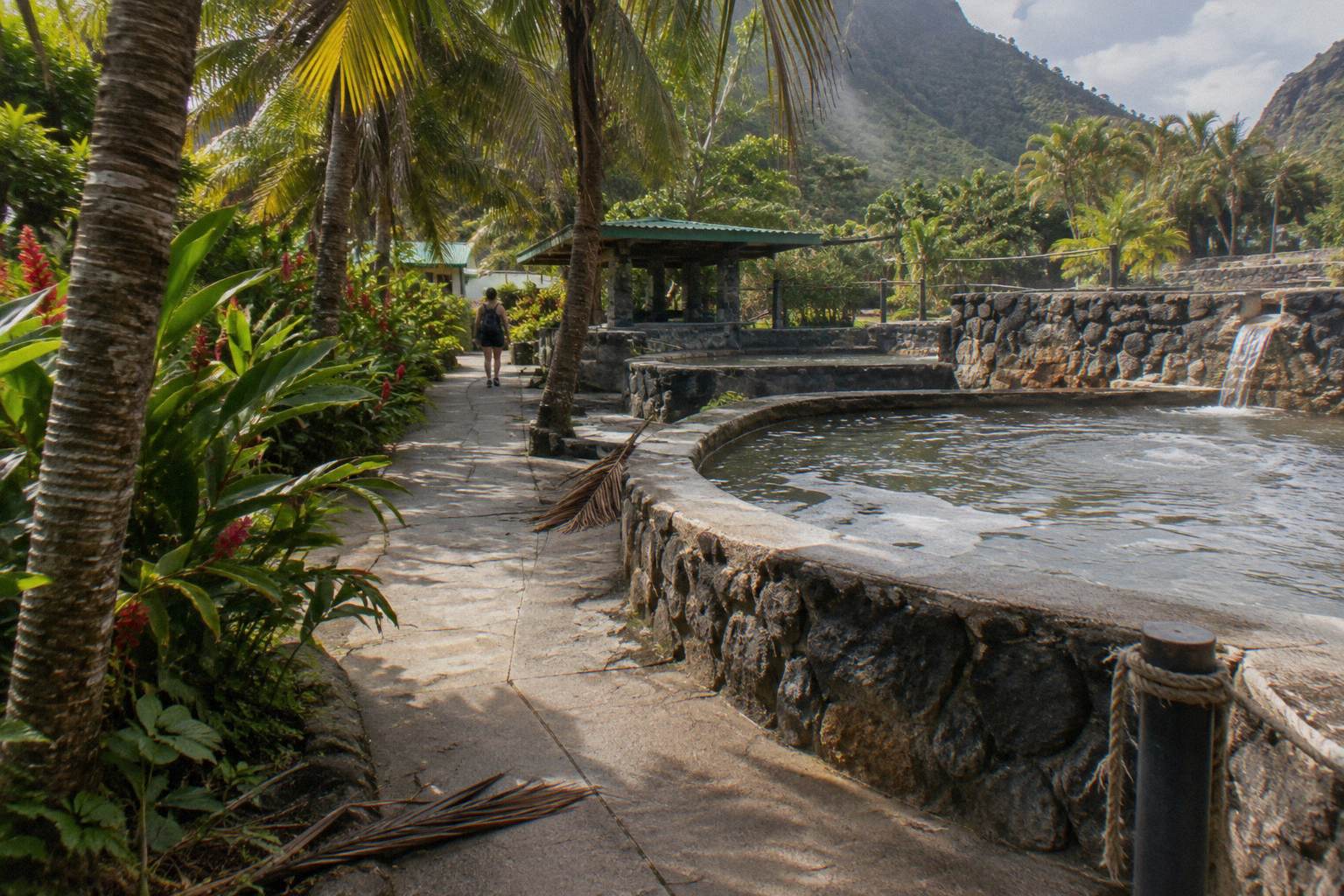
Expectation first. Visitors who picture tiled tubs and robes are startled by communal basins, grey sediment and a faint volcanic smell that comes with the territory. The smell itself is real but localized, fading quickly outside the geothermal zone, a subject the guide to the sulphur smell at the springs covers honestly. Anyone genuinely sensitive to odour should weigh that before committing to a full-day tour built around the stop.
Budgeting errors come second. The US$12 entry fee is trivial; the two hours of transfers is not. Independent visitors from the north routinely spend more on taxis than a guided tour would have cost in total, a trap the arithmetic in the entry-fee section above makes obvious once laid out. Reading a tour's inclusion list before comparing fares prevents the reverse mistake, paying twice for an entrance the fare already covered.
Time errors are the quietest. Tours advertise whole-day durations, and visitors sometimes expect the advertised hours at the springs. Reading the itinerary, not the headline duration, is the fix. Packing errors round out the list: the tourism authority's own advice is comfortable shoes, swimwear and a towel, and visitors who skip the towel buy one at premium souvenir prices. Finally, the calendar: the park closes on the first Friday of September each year for maintenance, a single day that catches a handful of travellers every season, and otherwise runs 9:00 am to 5:00 pm daily including weekends and holidays.
Common Questions About Mud Baths In St. Lucia
Does St. Lucia Have Mud Baths?
Yes. The island's volcanic mud baths are at Sulphur Springs near Soufriere, open 9:00 am to 5:00 pm daily, with adult entry at US$12 under the park's current fee schedule. A second, different experience exists at Diamond Falls Botanical Gardens, which offers mineral baths rather than volcanic mud.
Are The Mud Baths Natural Or Man-Made?
The mud and the warm water are natural products of the geothermal system inside the Qualibou caldera. The bathing pools themselves are constructed basins built to collect and manage that natural output, which is why the experience feels rustic rather than wild.
Can You Visit The Mud Baths Without A Tour?
Yes, the park accepts walk-in visitors and charges gate fees directly, US$12 per adult for the bath. Independent visits suit travellers staying near Soufriere; visitors coming from Castries, the cruise port or northern hotels usually find a guided tour the better use of the day.
Is The Mud Bath The Same As The Diamond Falls Mineral Baths?
No. Sulphur Springs offers grey volcanic mud you apply yourself before rinsing in warm pools. Diamond Falls Botanical Gardens offers mineral bathing in a garden setting at US$7 for adults, with public baths at US$6 and private baths at US$7, open daily.
How Long Does A Mud Bath Visit Take?
The bathing experience itself usually runs under an hour, including applying the mud, letting it dry and rinsing. Full tours that include the springs run from 4 to 10 hours booked duration, because that figure covers transfers, additional stops and meals rather than time in the pools.
When Is The Park Closed?
The park closes on the first Friday of September each year and otherwise operates 9:00 am to 5:00 pm every day, including weekends and public holidays.
Three formats cover most needs: the most reviewed sea day, the cheapest well-reviewed road trip, and the private version for groups.